
Ukraine Intensifies Strikes on Russian Infrastructure Amidst Escalating Conflict
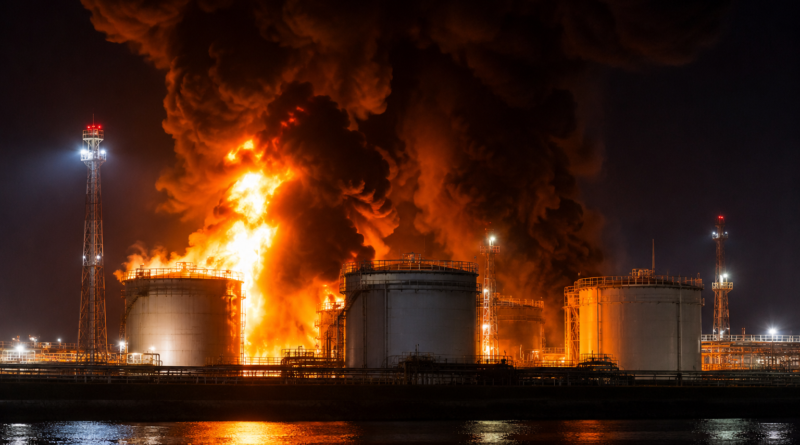
In a significant escalation of the ongoing conflict, Ukrainian forces have launched a series of sophisticated drone attacks deep within Russian territory, targeting critical energy and military infrastructure. The most notable of these strikes, occurring on July 4, 2026, saw a major oil terminal in St. Petersburg engulfed in flames, alongside reported hits on a key naval base in Kronstadt. These assaults underscore Ukraine’s evolving long-range capabilities and its strategic intent to disrupt Russia’s war economy, even as Moscow grapples with mounting domestic fuel shortages and conflicting reports from the front lines.
Coordinated Drone Assault on St. Petersburg
The early hours of July 4 witnessed a coordinated Ukrainian drone attack on St. Petersburg, Russia’s second-largest city. Ukrainian President Volodymyr Zelenskyy confirmed the strikes, describing the targeted oil terminal as crucial infrastructure that generates revenue for Russia’s war effort . The attacks, which occurred approximately 850km (528 miles) from Ukraine’s border, reportedly caused significant damage, with videos emerging online showing a drone striking a target and a large column of black smoke billowing from the affected area .
Russian authorities, through St. Petersburg Governor Aleksandr Beglov, acknowledged the drone attack on the oil terminal, describing it as “massive” and confirming the oil terminal was hit, though he reported no casualties . The Ukrainian military characterized the terminal as “one of the largest” in Russia, with an annual capacity of 12.5 million tonnes of petroleum products .
Further reports from Ukraine indicated that a key naval base of the Russian Baltic Fleet in Kronstadt was also targeted in the same wave of attacks . While Russia has not publicly commented on the alleged strike on the naval base, Ukrainian sources, including President Zelenskyy, have consistently highlighted its significance as a military objective . The attacks have led to disruptions in mobile internet services and prompted Governor Beglov to urge St. Petersburg residents to remain indoors, underscoring the immediate impact on civilian life in the city of over five million people .
Russia’s Deepening Fuel Crisis and Strategic Shifts
The recent strikes on St. Petersburg are part of a broader Ukrainian campaign targeting Russia’s energy infrastructure, which has intensified significantly in recent months. Kyiv claims these long-range drone attacks have disabled nearly 43% of Russia’s oil refining capacity, a figure that independent energy analysts estimate to be closer to one-third . This sustained pressure has led to a deepening fuel crisis within Russia, characterized by widespread shortages and rising prices across numerous regions .
Russian President Vladimir Putin, in a rare admission, acknowledged the fuel shortages, though he downplayed their severity, describing them as “not critical” and asserting that damaged facilities were being rapidly repaired . However, the Kremlin’s actions suggest a more serious concern. Last week, Putin signed into law a bill aimed at boosting supplies to the domestic fuel market, a direct response to the crisis . More strikingly, Russia has reportedly begun importing gasoline from India, a significant reversal of traditional energy trade flows, to mitigate the impact of the shortages . This development highlights the effectiveness of Ukraine’s strategy in disrupting Russia’s economic stability and its ability to fund the ongoing conflict.
The Battle for Kostyantynivka
Away from the strategic strikes on Russian infrastructure, the ground war continues to rage, particularly in eastern Ukraine. The town of Kostyantynivka in the Donetsk region has become a focal point of conflicting claims between Kyiv and Moscow. On Saturday, Russia’s President Putin asserted that Russian forces had established full control over Kostyantynivka in June . This claim, however, was swiftly denied by Ukraine’s military.
Major Andriy Kovalyov, a Ukrainian military spokesman, stated that Kostyantynivka remains under the control of Ukraine’s Defence Forces . While acknowledging “cases of infiltration by small infantry groups deep into the combat formations of our forces,” he maintained that these groups were being identified and neutralized . President Zelenskyy further challenged Putin’s assertion on Telegram, suggesting that if Kostyantynivka were truly under Russian control, Putin should meet him there to discuss diplomatic solutions to end the war, implying the Russian leader’s claims were far from the truth .
Kostyantynivka is strategically vital, forming part of Ukraine’s “fortress belt” in the Donetsk region, much of which is currently occupied by Russia . The contrasting narratives surrounding its status underscore the intense information warfare accompanying the physical conflict, with both sides seeking to control the perception of battlefield successes and failures.
Ukraine’s Evolving Drone Warfare and Russia’s Response
Ukraine’s increasing reliance on long-range drone attacks marks a significant evolution in its military strategy. These unmanned aerial vehicles (UAVs) have proven to be a cost-effective and impactful tool for striking targets deep within Russian territory, compensating for Ukraine’s disadvantages in conventional weaponry . The development of indigenous long-range drones, such as the Palianytsia, has been a key factor in this capability expansion, allowing Kyiv to project power far beyond the front lines .
Russia, in turn, has intensified its air defense efforts. The Russian Ministry of Defence reported shooting down over 500 Ukrainian drones and missiles overnight and in the morning of July 4 . Governor Beglov of St. Petersburg also claimed that 72 Ukrainian drones were intercepted over the Leningrad region during the recent attack . Moscow has consistently framed these Ukrainian attacks on civilian facilities as attempts by Kyiv to “distract attention” from its own battlefield setbacks and to pressure its “foreign sponsors” . The Russian defence ministry has also warned that Ukrainian attacks “will not go unanswered,” signaling a potential for further retaliatory strikes .
Broader Implications and International Reactions
The escalating drone warfare and the deepening fuel crisis in Russia have significant broader implications for the conflict. Ukraine’s ability to consistently strike Russian economic and military targets far from the front lines demonstrates a sustained capacity to inflict damage and disrupt Moscow’s war machine. This strategy aims to degrade Russia’s logistical capabilities, reduce its revenue streams, and potentially erode domestic support for the war by bringing the conflict closer to home for ordinary Russians.
The international community continues to monitor the situation closely. While many Western nations have condemned Russia’s invasion and provided extensive support to Ukraine, the direct targeting of Russian territory raises questions about the potential for further escalation. The economic repercussions of Russia’s fuel shortages, including its reliance on imports from countries like India, also highlight the global interconnectedness of energy markets and the far-reaching consequences of the conflict.
As the war enters its third year, the strategic landscape continues to evolve. Ukraine’s innovative use of drone technology and its determination to strike at the heart of Russia’s war economy present new challenges for Moscow. The conflicting reports from the front lines, particularly around key towns like Kostyantynivka, underscore the fluidity and uncertainty of the ground war. The coming weeks and months will likely see both sides continue to adapt their strategies, with the trajectory of the conflict heavily influenced by the effectiveness of Ukraine’s long-range strikes and Russia’s ability to mitigate their impact.
The Strategic Significance of Ukraine’s Long-Range Strikes
Ukraine’s persistent targeting of Russian energy infrastructure, particularly oil refineries and terminals, represents a calculated strategy to undermine Moscow’s ability to finance its military operations. By striking deep within Russian territory, Kyiv aims to create economic pressure that could eventually impact the Kremlin’s war chest and public support for the conflict. The St. Petersburg oil terminal, described by Ukrainian military intelligence as a facility capable of processing 12.5 million tonnes of petroleum products annually, is a prime example of a high-value target whose disruption can have cascading effects on Russia’s domestic fuel supply and export revenues .
The attacks are not merely symbolic; they are designed to inflict tangible economic damage. The reported disabling of a significant portion of Russia’s oil refining capacity , estimated by Ukraine at nearly 43% and by independent analysts at around one-third – directly translates into reduced production of gasoline, diesel, and other petroleum products essential for both military logistics and civilian consumption . This reduction in supply has been a primary driver of the domestic fuel crisis, forcing Russia to implement export bans and rationing measures, and even to resort to importing refined products from other nations .
The targeting of the Kronstadt naval base, if confirmed, would represent another layer of strategic impact. Kronstadt is a historically significant and currently vital base for Russia’s Baltic Fleet. A successful strike there could degrade Russia’s naval capabilities in the Baltic Sea, potentially impacting its ability to project power or defend its maritime interests in the region. While specific details of damage remain unconfirmed by Russian authorities, the mere threat of such attacks forces Russia to divert valuable air defense assets to protect critical infrastructure far from the front lines, thereby potentially weakening its defenses elsewhere .
Russia’s Economic Vulnerabilities Exposed
The 2025-2026 Russian fuel crisis, exacerbated by Ukrainian drone attacks, has laid bare significant vulnerabilities in Russia’s energy sector. Historically a major exporter of oil and gas, Russia now faces the unprecedented situation of importing gasoline to meet domestic demand . This dramatic shift underscores the effectiveness of Ukraine’s strategy and the severe strain on Russia’s refining capabilities. The reliance on imports, particularly from distant partners like India, introduces new logistical challenges and costs, further burdening the Russian economy.
President Putin’s acknowledgment of fuel shortages, despite his attempts to downplay their severity, indicates the undeniable impact of these strikes. The subsequent legislative measures to boost domestic supplies and the extension of fuel export bans are clear indicators of a government struggling to manage a critical economic challenge . The long queues at petrol stations reported across Russia and the rising prices are visible manifestations of this crisis, potentially eroding public confidence and support for the ongoing military campaign .
The Evolving Landscape of Drone Warfare
Ukraine’s long-range drone program has emerged as a critical component of its defense strategy. The development and deployment of indigenous drones, such as the Palianytsia, with operational ranges extending hundreds of kilometers, have allowed Ukraine to project power deep into Russian territory . These drones, often described as cost-effective compared to traditional missiles, enable Ukraine to conduct asymmetrical warfare, targeting high-value Russian assets with relatively low expenditure.
The effectiveness of these drones lies not only in their destructive potential but also in their psychological impact. The ability to strike targets in major Russian cities like St. Petersburg brings the reality of the conflict closer to the Russian populace, challenging the Kremlin’s narrative of a distant and controlled conflict. The sheer volume of drones reported by Russia – over 500 intercepted on July 4 alone – highlights the scale of Ukraine’s drone offensive and the significant resources Russia is forced to expend on air defense .
This evolving drone warfare also presents a complex challenge for international law and norms. While Ukraine asserts its right to defend itself and target infrastructure supporting Russia’s aggression, the targeting of facilities deep within Russian territory, even if military-related, raises questions about escalation and the potential for unintended consequences. The international community continues to grapple with the implications of this new era of warfare, where relatively inexpensive drones can have disproportionately large strategic and economic impacts.
The Human Cost and Humanitarian Concerns
Beyond the strategic and economic considerations, the ongoing conflict continues to exact a heavy human toll. While the recent St. Petersburg attack reportedly caused no casualties, the broader conflict has resulted in countless deaths, injuries, and displacement on both sides. The daily reports of shelling, missile strikes, and ground engagements underscore the brutal reality faced by civilians in Ukraine and, increasingly, in border regions of Russia.
The conflicting narratives surrounding the battle for Kostyantynivka serve as a stark reminder of the human element of the war. Both Ukrainian and Russian forces claim control or significant advances, yet behind these claims are the lives of soldiers fighting and civilians enduring the constant threat of violence. The town, part of Ukraine’s
“fortress belt,” is a symbol of the intense and protracted nature of the ground war, where every inch of territory is fiercely contested .
The humanitarian situation in Ukraine remains dire, with millions displaced and essential infrastructure severely damaged. The international community’s response, while substantial, faces ongoing challenges in meeting the vast needs of the affected population. The continued targeting of energy infrastructure, while a strategic military objective, also has profound humanitarian implications, potentially exacerbating the suffering of civilians by disrupting power, heating, and other essential services.
The Future of the Conflict
As the war enters its third year, the trajectory remains uncertain. Ukraine’s strategy of long-range strikes appears to be yielding significant results, disrupting Russia’s economy and forcing it to adapt its military posture. However, Russia’s vast resources and its determination to achieve its objectives suggest a protracted and difficult conflict ahead.
The coming months will likely see continued intense fighting on the ground, particularly in eastern Ukraine, as both sides seek to secure strategic advantages. The effectiveness of Ukraine’s drone campaign and Russia’s ability to defend against it will remain key factors in shaping the course of the war. The international community’s role, through diplomatic efforts, military support, and economic sanctions, will also continue to be crucial in determining the ultimate outcome.
The recent events in St. Petersburg and Kostyantynivka highlight the complex and multifaceted nature of the conflict. It is a war fought not only on the battlefield but also in the economic sphere, the information space, and the realm of international diplomacy. As the situation continues to evolve, the need for accurate, objective, and comprehensive reporting remains paramount to understanding the full scope and implications of this devastating conflict.
Meanwhile, the conflicting reports from the front lines, particularly regarding the status of Kostyantynivka, emphasize the intense and fluid nature of the ground war. As both sides continue to adapt their strategies and tactics, the conflict shows no signs of abating. The international community must remain engaged, providing support and seeking diplomatic solutions to end the violence and address the profound humanitarian consequences of the war. The events of July 4 serve as a stark reminder of the far-reaching impacts of this conflict, extending well beyond the borders of Ukraine and reshaping the geopolitical landscape.
Last needs of the affected population. The continued targeting of energy infrastructure, while a strategic military objective, also has profound humanitarian implications, potentially exacerbating the suffering of civilians by disrupting power, heating, and other essential services.
International Response and Geopolitical Ramifications
The international community’s reaction to the escalating conflict remains a complex tapestry of condemnation, support, and cautious observation. Western nations, led by the United States and the European Union, have largely maintained a stance of unwavering support for Ukraine, providing substantial military, financial, and humanitarian aid. The drone attacks on Russian territory, while viewed by some as a legitimate act of self-defense, have also prompted concerns about potential escalation and the broadening geographical scope of the conflict.
Conversely, Russia continues to frame the conflict as a defensive operation against perceived Western aggression, consistently accusing Ukraine and its allies of provoking and prolonging the war. The Kremlin’s narrative often emphasizes the alleged targeting of civilian areas by Ukrainian forces, despite overwhelming evidence to the contrary, and seeks to portray Russia as a victim of external interference. This propaganda effort is crucial for maintaining domestic support and influencing international opinion, particularly in countries that remain neutral or sympathetic to Russia.
The economic ramifications of the conflict extend globally. The disruption of Russian energy exports, coupled with the unprecedented fuel crisis within Russia itself, has contributed to volatility in global energy markets. While some nations have sought to reduce their reliance on Russian energy, others, like India, have increased their trade with Moscow, taking advantage of discounted oil prices. This shifting landscape of global energy trade highlights the complex geopolitical realignments triggered by the war and the challenges of maintaining a unified international front against Russia.
Furthermore, the conflict has spurred a renewed debate on international security architecture and the role of alliances such as NATO. The perceived threat from Russia has led to increased defense spending and military modernization efforts across Europe, with several countries strengthening their ties with NATO and even seeking membership. The long-term implications for global stability and the future of international relations are profound, as the world grapples with the resurgence of great power competition and the erosion of established norms.
The Information War
Alongside the kinetic and economic warfare, an intense information war is being waged, with both sides vying for control of the narrative. Social media platforms, traditional news outlets, and state-sponsored media are all arenas where information is disseminated, often selectively, to shape public opinion and influence perceptions of the conflict.
Ukraine has effectively leveraged social media to rally international support, document alleged Russian war crimes, and showcase its resilience in the face of aggression. President Zelenskyy’s frequent addresses and direct appeals to the international community have been instrumental in maintaining global attention and sympathy for Ukraine’s cause. The rapid dissemination of images and videos of drone attacks, such as those on St. Petersburg, serves to demonstrate Ukraine’s capabilities and its determination to fight back.
Russia, on the other hand, employs a sophisticated state-controlled media apparatus to propagate its version of events, often dismissing Ukrainian claims as propaganda and downplaying the impact of attacks on its territory. The conflicting reports regarding the status of Kostyantynivka exemplify this battle for narratives, where each side presents information that supports its strategic objectives and undermines the credibility of the opponent. Independent verification of claims from both sides remains a critical challenge for journalists and analysts seeking to provide an accurate picture of the conflict.
Environmental Impact of the Conflict
Beyond the immediate human and economic costs, the ongoing conflict has significant environmental consequences. The targeting of oil terminals, refineries, and other industrial infrastructure, while militarily strategic, often results in widespread pollution. The fires at the St. Petersburg oil terminal, for instance, would have released substantial amounts of pollutants into the atmosphere, contributing to air quality degradation and potentially impacting local ecosystems. Similarly, damage to industrial facilities in Ukraine has led to contamination of soil and water resources, posing long-term environmental and health risks.
The large-scale movement of military equipment, the use of heavy weaponry, and the destruction of natural habitats also contribute to environmental degradation. Forests are destroyed, agricultural lands are rendered unusable, and biodiversity is threatened. The long-term environmental recovery in both Ukraine and affected regions of Russia will be a monumental task, requiring significant resources and international cooperation.
The events of July 4, 2026, serve as a potent reminder of the evolving nature of the Russia-Ukraine war. Ukraine’s successful long-range drone strikes on critical Russian infrastructure, particularly the St. Petersburg oil terminal and the alleged hit on the Kronstadt naval base, demonstrate Kyiv’s increasing capacity for asymmetrical warfare. These attacks are not merely tactical maneuvers but strategic efforts to degrade Russia’s economic and military capabilities, thereby impacting its ability to sustain the conflict.
The deepening fuel crisis in Russia, evidenced by shortages, rising prices, and the unprecedented need to import gasoline, underscores the effectiveness of Ukraine’s strategy. This economic pressure, coupled with the ongoing human cost and the intense information war, paints a picture of a conflict that is far from resolution.
The battle for narratives, exemplified by the conflicting claims over Kostyantynivka, highlights the importance of information control in modern warfare. As both sides continue to innovate their tactics and adapt to the changing realities on the ground, the international community watches closely, grappling with the profound geopolitical, economic, and humanitarian implications of a war that continues to reshape the 21st century landscape.
The coming months will undoubtedly bring further developments, as Ukraine seeks to maintain its offensive momentum and Russia endeavors to consolidate its gains and mitigate the impact of Ukrainian strikes. The world remains on edge, hoping for a peaceful resolution while preparing for the continued complexities of a protracted conflict.