
Spain Hit by Three Train Crashes in a Week, Raising Urgent Rail Safety Concerns
Spain has been rocked by a series of railway tragedies this week. This includes one of Europe’s worst rail disasters in recent years as well as multiple subsequent crashes. These incidents are raising urgent questions about rail safety, maintenance, and infrastructure investment.
Deadly High-Speed Collision in Andalusia
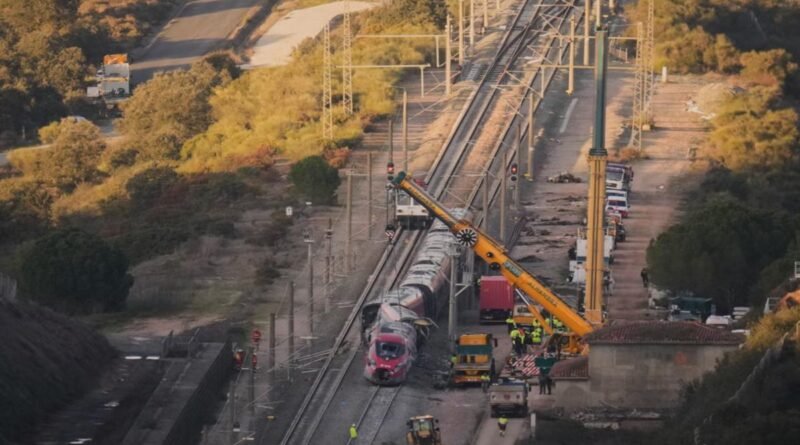
On 18 January 2026, two high-speed trains collided near Adamuz in Córdoba province, southern Spain. This catastrophic accident has claimed 45 lives. It injured nearly 300 people.
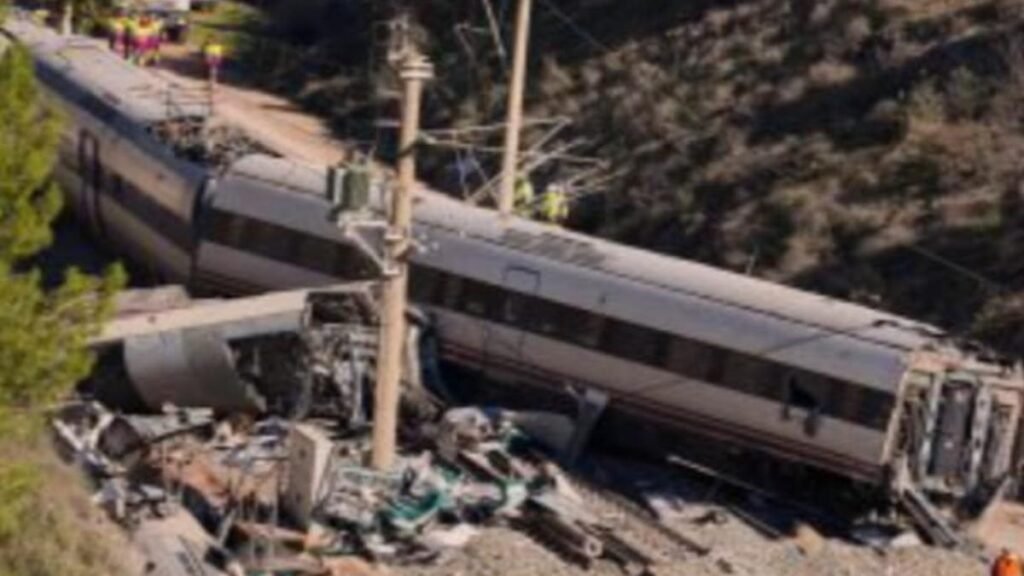
The crash occurred on a straight section of the Madrid–Seville high-speed line. An Iryo train derailed. It was then struck by an oncoming Renfe service. Early investigations suggest that a fractured rail section or broken joint in the track may have triggered the initial derailment, with wheel marks and rail damage pointing to potential infrastructure failure before the crash.
The collision , involving hundreds of passengers, is Spain’s worst rail disaster since 2013 and one of the deadliest in recent European history. It has prompted a three-day official period of national mourning and a full criminal and technical investigation.
Second Fatal Crash: Commuter Train Derailment Near Barcelona
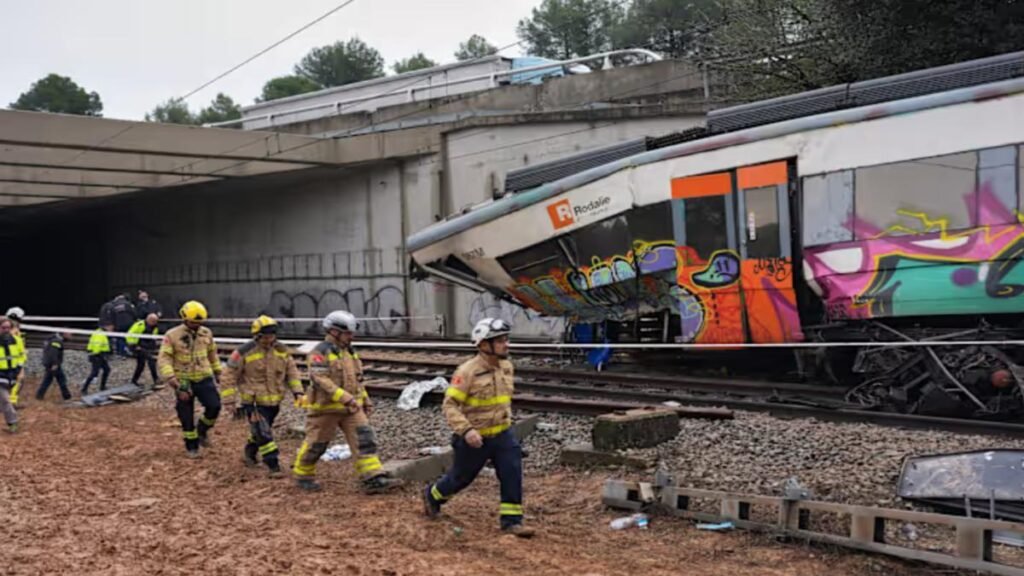
Just two days later on 20 January, in Gelida, Catalonia, a commuter train derailed after it collided with a retaining wall that had collapsed onto the track during heavy rainfall linked to Storm Harry.
- 1 person killed ,a trainee driver
- 37+ passengers injured
- Heavy rain and landslide conditions are believed to have caused the wall to collapse onto the line.
Services on the regional Rodalies network were suspended as crews cleared debris and conducted safety checks.
Third Incident: Minor Crashes and Collisions
In addition to the two fatal accidents:
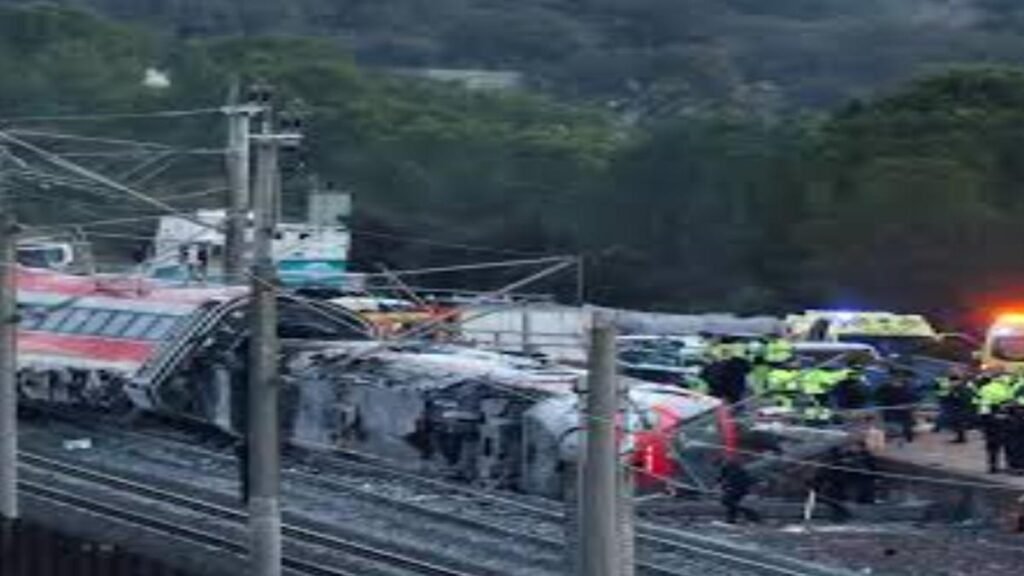
🔹 A third minor derailment occurred on the same day near Barcelona due to a fallen rock, though no injuries were reported.
🔹 On 22 January, a train collided with a construction crane arm near Cartagena, Murcia, resulting in several minor injuries and service disruption but no deaths.
This brings the total to four separate rail crashes in roughly five days , an unusually concentrated cluster of incidents with far-reaching implications.
What Authorities and Experts Are Saying
Transport officials have described the high-speed collision as occurring under “strange conditions” on a straight and recently maintained section of track, with human error largely ruled out.
Preliminary investigation reports highlight unusual wheel marks and rail scratches suggesting issues with the track itself, though investigators stress that definitive conclusions will take time.
The Spanish train drivers’ union has called for a three-day nationwide strike in February, demanding better investment in maintenance and safety measures after “multiple derailments in 48 hours.”
Public Reaction and Broader Debate
The spate of accidents has sparked a heated national debate on whether Spain’s booming rail network has outpaced safety and infrastructure upkeep. Critics argue that maintenance expenditure has failed to keep pace with record passenger growth, particularly on high-speed lines that serve millions of travellers each year.
Opposition parties and unions have intensified pressure on the government to accelerate infrastructure investment and stricter safety inspections, while families of victims continue to search for answers.
Summary: The Crashes at a Glance
| Date | Location | Type | Fatalities | Injuries |
|---|---|---|---|---|
| 18 Jan 2026 | Adamuz, Córdoba | High-speed collision | 45 | ~292 |
| 20 Jan 2026 | Gelida, Catalonia | Commuter derailment | 1 | ~37 |
| 20 Jan 2026 | Catalonia (Rock fall) | Minor derailment | 0 | 0 |
| 22 Jan 2026 | Cartagena, Murcia | Train vs crane | 0 | Minor |
What happens next
Investigators from Spain’s rail safety authorities and judicial bodies are now examining track materials. They are also examining signalling systems, maintenance records, and onboard data from the trains involved in all three incidents. In the case of the high-speed collision near Adamuz, specialists are analysing whether defects in the rail infrastructure existed before the derailment and whether warning signs were missed.
For families of the victims, the process is expected to be long. Formal identification, compensation claims and potential criminal proceedings may take months or years, while relatives continue to press for clear answers and accountability. Victims’ groups have already called for greater transparency and independent oversight of the investigations.
In the short term, transport officials have ordered additional inspections and temporary safety measures, including speed restrictions on certain routes and closer monitoring of high-risk sections of track. Rail unions say these steps must be followed by sustained investment rather than short-term fixes.
The findings of the investigations are likely to have long-term consequences for Spain’s rail policy. If infrastructure failures or maintenance gaps are confirmed, the government could face pressure to overhaul inspection regimes, increase funding for track renewal and review safety standards across both high-speed and regional networks.
Whether these tragedies lead to lasting reform or fade into another chapter of reactive safety measures will determine not only how public confidence is restored, but also how Spain’s rail system is shaped for years to come.