
Israel-Iran Conflict Escalates as Strikes Continue and US Talks Remain Uncertain
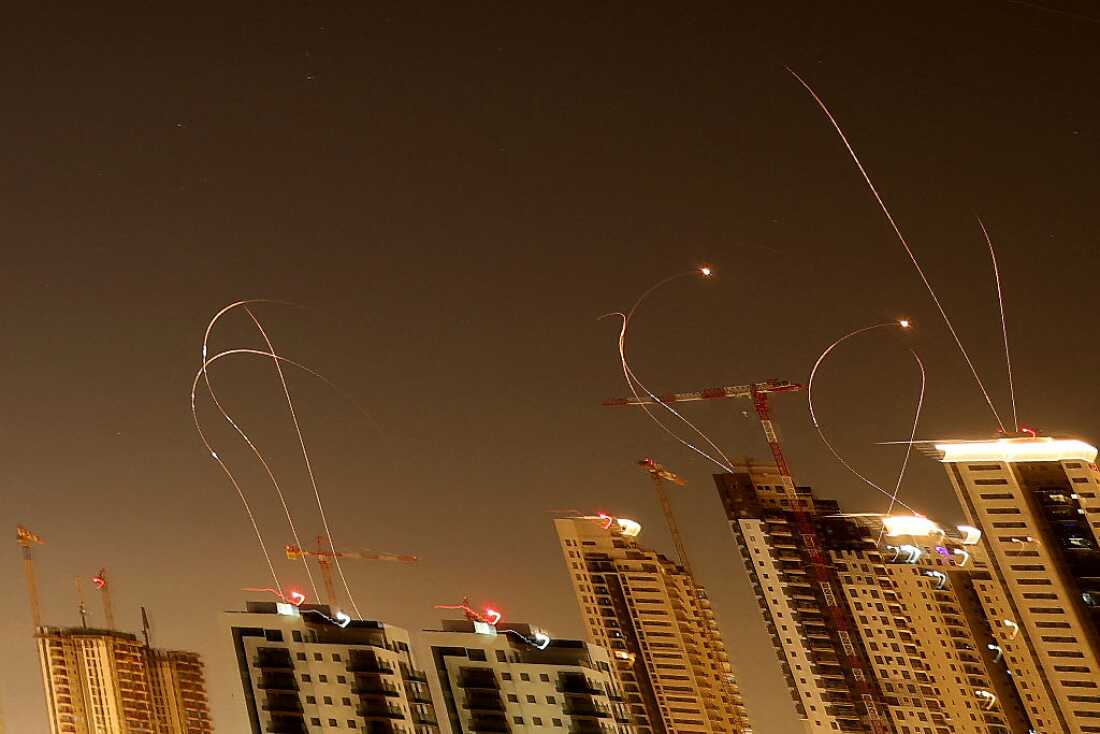
The night sky over central Israel is illuminated by the trails of interceptor missiles engaging incoming projectiles.
A Conflict Expanding Beyond Borders
The Middle East is at a dangerous turning point. Israel and Iran have intensified their military strikes. The conflict began as a series of targeted operations. It has rapidly metastasized into a broader regional conflict. This defies international calls for de-escalation. Even as the kinetic warfare accelerates, a shadow dance of diplomacy plays out behind closed doors. Rumors suggest potential United States involvement in brokering talks. However, progress remains elusive. It is stymied by entrenched geopolitical red lines and a profound lack of trust between the primary belligerents.
This escalation is no longer confined to isolated military installations. The reverberations are felt in the streets of Tel Aviv and Tehran. These effects are also present in the volatile borderlands of southern Lebanon. They extend across the vital maritime arteries of the Persian Gulf. The international community watches with mounting alarm. Military confrontation and fragile diplomacy are moving forward quickly. This leaves the region—and the global economy—bracing for impact.
Latest Military Developments: A War of Attrition
The operational tempo of the conflict has reached unprecedented levels in recent days. Israeli defense forces have executed a series of calculated, high-impact airstrikes targeting what they identify as critical Iranian military and nuclear infrastructure. These operations, characterized by sophisticated aerial incursions, aim to degrade Tehran’s strategic capabilities and disrupt the supply chains of allied militant groups.
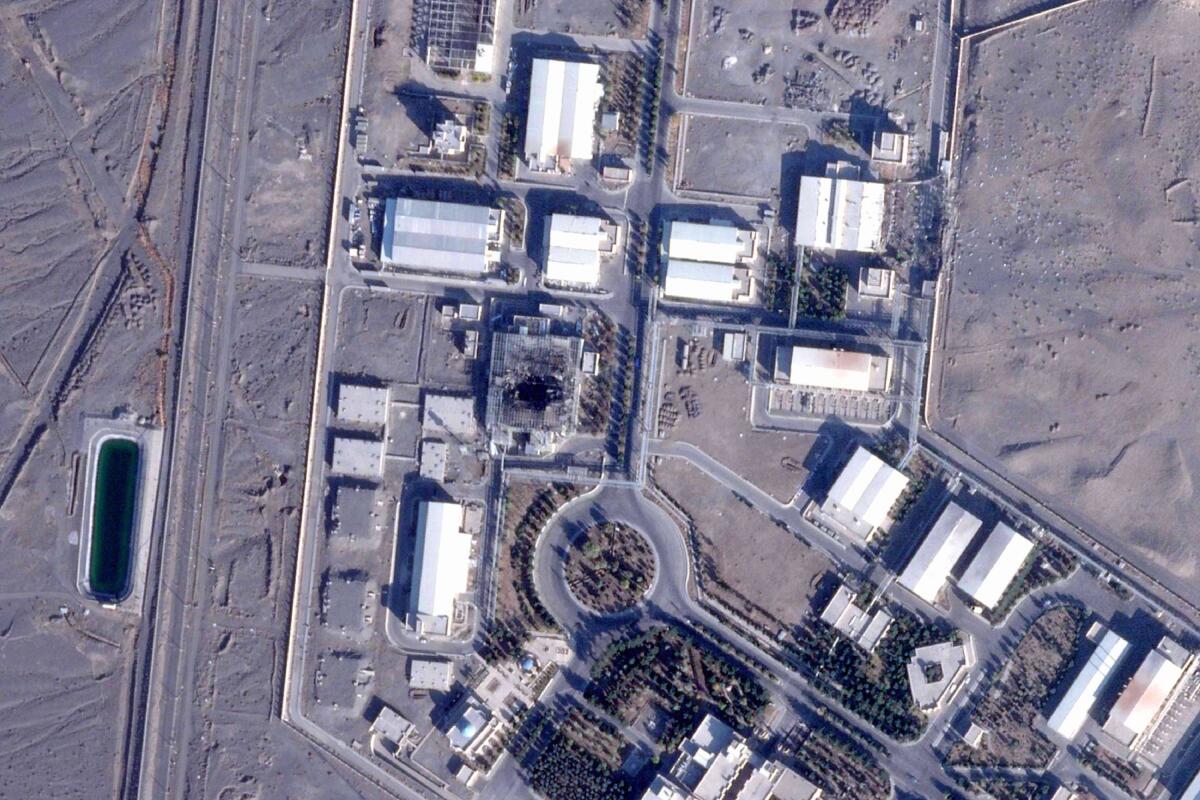
Satellite imagery reveals the layout of an Iranian facility following recent military operations.
In response, Iran has unleashed barrages of ballistic missiles and weaponized drones directed at Israeli population centers and military bases. Sirens have become a daily reality in cities like Tel Aviv and Arad, where residents frequently scramble for shelters. While Israel’s multi-layered air defense systems, including the Iron Dome and Arrow networks, have intercepted a significant portion of the incoming fire, several projectiles have breached the defenses, causing substantial structural damage and casualties.
The strategic calculus for both nations appears entrenched. Israeli leadership has publicly committed to sustaining operations. They will continue until their security objectives are definitively secured. They frame the campaign as an existential necessity. Conversely, Tehran sees its retaliatory strikes as a demonstration of deterrence. It also views these strikes as an assertion of national sovereignty. Tehran refuses to back down in the face of what it perceives as unprovoked aggression.
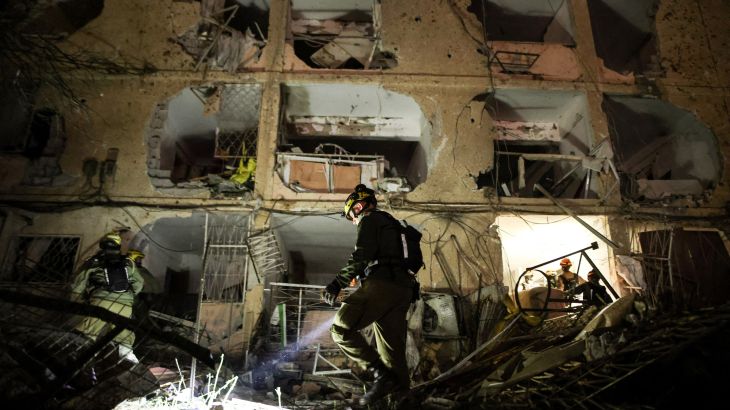
Emergency personnel navigate the devastating aftermath of a missile strike in a residential area.
The Diplomatic Situation: The Illusion of Dialogue
Amidst the roar of airstrikes, a complex and opaque diplomatic narrative is unfolding. Reports have surfaced suggesting that the United States is working to enable indirect talks between Israel and Iran. The U.S. is using regional intermediaries such as Oman and Qatar for these negotiations. These back-channel efforts aim to create a framework for de-escalation. They also intend to address the fraught issue of Iran’s nuclear program again.
However, the reality on the ground contradicts the diplomatic optimism. Iranian officials have vehemently denied any direct engagement with Washington, dismissing the overtures as political theater. The core issues remain intractable. The US and its allies are demanding verifiable limits on Iran’s nuclear enrichment and ballistic missile capabilities. Iran, meanwhile, demands the cessation of military strikes. Additionally, they require the lifting of economic sanctions for any substantive dialogue.
“While diplomatic channels may exist behind the scenes, the gap between discussion and meaningful agreement remains wide. Both sides appear unwilling to compromise on core issues.”
The analysts suggest that the current diplomatic maneuvers are more about managing the optics of the crisis. They are less about achieving a breakthrough. A fundamental shift in the strategic calculus must occur first. Only then does the prospect of formal, direct US-Iran talks become possible, though it remains distant and uncertain.
| Issue | US / Israeli Position | Iranian Position |
| Nuclear Enrichment | Verifiable limits; zero enrichment preferred | Right to enrich; a domestic sovereign matter |
| Ballistic Missiles | Negotiation and limitation required | Non-negotiable; outside the scope of talks |
| Sanctions | Conditional relief upon compliance | Immediate, unconditional lifting required |
| Ceasefire | Contingent on security guarantees | Prerequisite for any dialogue |
The Middle East on a Knife-Edge
The gravitational pull of the Israel-Iran conflict has drawn neighboring states into its orbit, destabilizing an already fragile region. In Lebanon, the situation has deteriorated sharply. Israeli forces have intensified their campaign against Hezbollah infrastructure in the south. This has led to widespread destruction and raises the specter of a full-scale ground war. Israeli officials state that the objective is to establish a secure buffer zone. This comes at the cost of a rapidly escalating humanitarian crisis within Lebanese borders.
Further east, Iraq has become a theater for proxy engagements. Coalition bases housing US and allied forces have faced repeated drone and rocket attacks from Iran-aligned militias, prompting retaliatory strikes and increasing the risk of American casualties. The Gulf states, traditionally reliant on US security guarantees, find themselves in a precarious position. They are forced to navigate the treacherous waters between their alliance with Washington and their geographic proximity to a hostile Iran, remaining on high alert against potential retaliatory strikes on their own critical infrastructure.
Global Impact: Chokepoints and Market Volatility
The conflict is causing significant geopolitical tremors. They are registering strongly on global economic seismographs. This is primarily due to the strategic importance of the Strait of Hormuz. This narrow waterway is the conduit for approximately 20% of the world’s oil supply and 20% of global LNG trade. As tensions escalate, the threat of a physical closure looms. A severe disruption of the strait has also become a central concern for international markets.
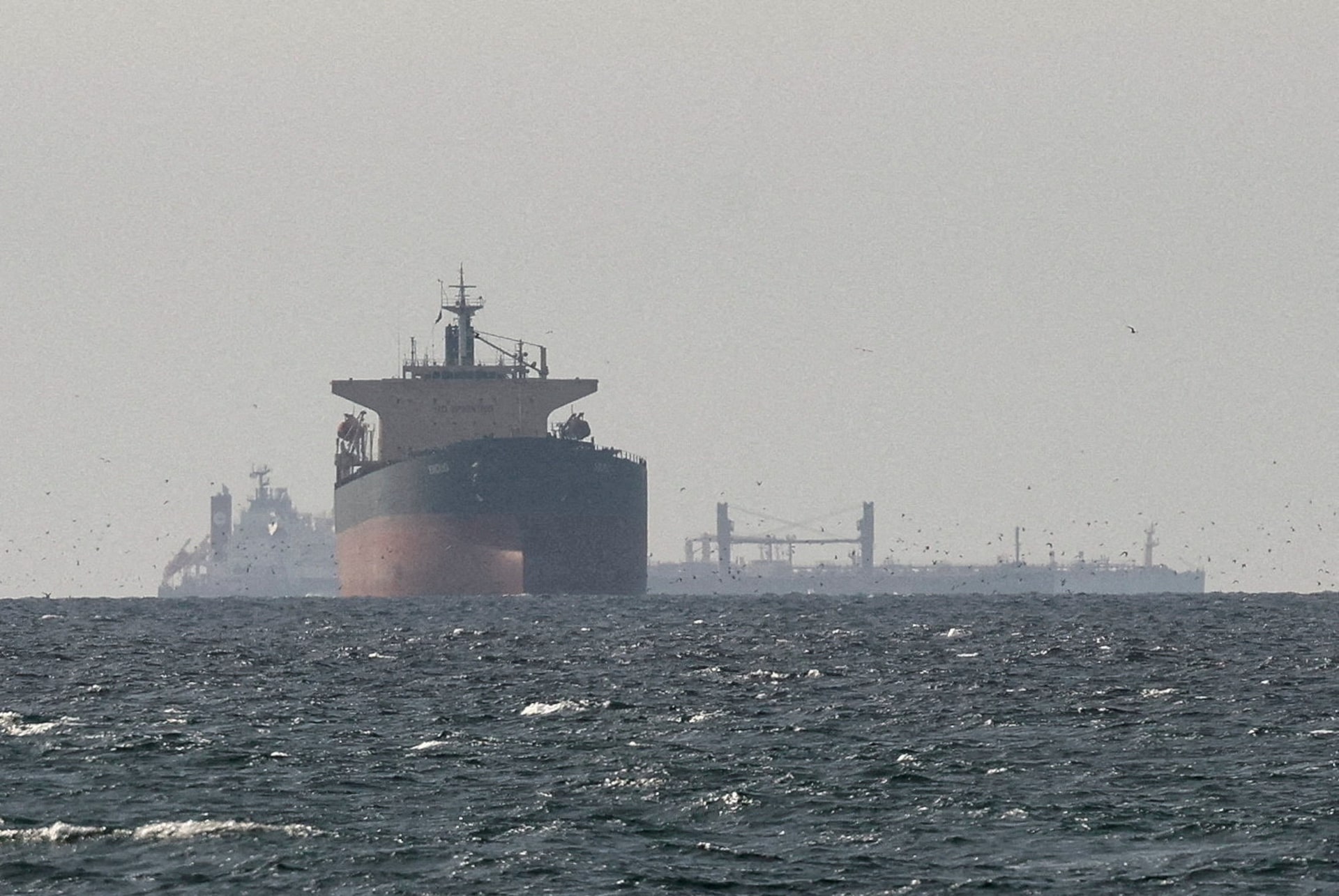
An oil tanker transits the strategically vital Strait of Hormuz, a critical chokepoint for global energy supplies.
Energy markets have reacted with predictable volatility. Benchmark Brent crude oil prices have surged toward the $120 per barrel mark. These are levels not seen since the peak of the 2008 financial crisis. The International Energy Agency (IEA) has stated that the current supply disruption is the largest ever. It marks the most significant event in the history of the global oil market. Tanker traffic through Hormuz has collapsed dramatically. Gulf producers have been forced to curtail output. The release of strategic petroleum reserves has provided temporary relief. However, experts warn that these measures cannot offset a sustained physical blockade’s structural impact. The economic fallout extends beyond energy. Global stock markets are fluctuating as investors weigh the risks of prolonged conflict. They are also considering broader inflationary pressures and reduced economic growth.
Civilian Impact: The Human Cost of Geopolitics
Beyond the strategic analyses and market fluctuations lies the profound and tragic human cost of the conflict. Civilians across the region are bearing the brunt of the violence. In both Israel and Iran, residential areas have been caught in the crossfire, leading to a mounting death toll and widespread trauma. According to figures compiled by human rights organizations, more than 1,400 civilians have been killed in Iran alone in the first weeks of the conflict, with tens of thousands of civilian sites affected by strikes.
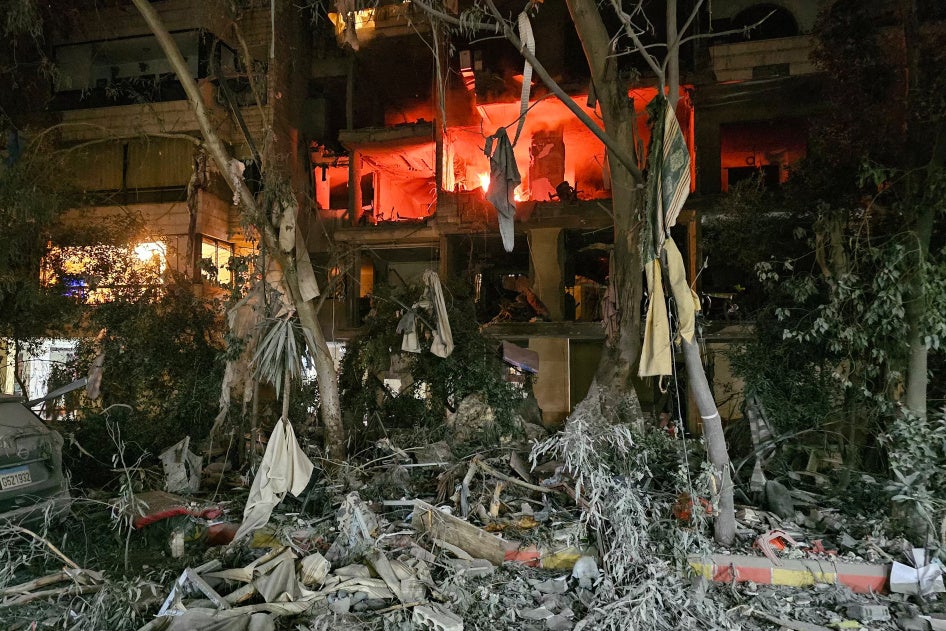
The devastating impact of the conflict on civilian infrastructure is evident in neighborhoods across the region.
The humanitarian situation is particularly acute in areas experiencing sustained bombardment. In southern Lebanon, hundreds of thousands of civilians have been displaced, fleeing the destruction of their homes and livelihoods. The UN High Commissioner for Human Rights, Volker Türk, has issued urgent warnings. He addresses the targeting of civilian infrastructure. This includes medical facilities, schools, and energy installations. Such actions exacerbate the suffering of non-combatants. The psychological toll of constant sirens, explosions, and the pervasive fear of the next strike is immeasurable. These experiences leave deep scars on the populations caught in the middle.
Expert Analysis: Navigating the Escalation Ladder
Geopolitical analysts and security experts view the current trajectory with deep concern. The conflict has exceeded the established “rules of the game.” These rules previously governed the shadow war between Israel and Iran. The direct, overt nature of the recent strikes indicates a dangerous willingness by both sides to climb the escalation ladder.
The primary risk is miscalculation. In a highly volatile environment, a single strike resulting in mass casualties or the destruction of a critical asset, such as a major energy facility or a nuclear site, could trigger an uncontrollable spiral of retaliation. Experts emphasize that the absence of direct communication channels increases the likelihood of such a misstep. Furthermore, non-state actors and proxy militias are involved. This adds layers of complexity. It makes it difficult for either primary belligerent to fully control the tempo of the conflict. The destruction of the Gulf Cooperation Council states’ credibility as reliable energy suppliers represents a structural shift in regional geopolitics that will outlast any ceasefire.
A Region Awaiting the Next Move
The Israel-Iran conflict has entered a critical and highly unpredictable phase. The parallel tracks of intense military escalation and stalled diplomatic efforts offer no clear path to resolution. As both nations remain steadfast in their strategic objectives, the prospect of a near-term ceasefire appears remote.
The coming weeks will be decisive. The international community faces a daunting challenge. It must prevent the conflict from igniting a broader regional war. At the same time, it needs to manage the severe economic and humanitarian fallout. The defining question is whether the fragile, indirect diplomatic channels can gain traction. This must happen before the military confrontation reaches a point of no return. For now, the Middle East stands still. The world watches and waits. Everyone is caught in the tense uncertainty of a conflict with profound and lasting global implications.