
Thousands Feared Dead After Iran’s Crackdown on Anti-Government Protests
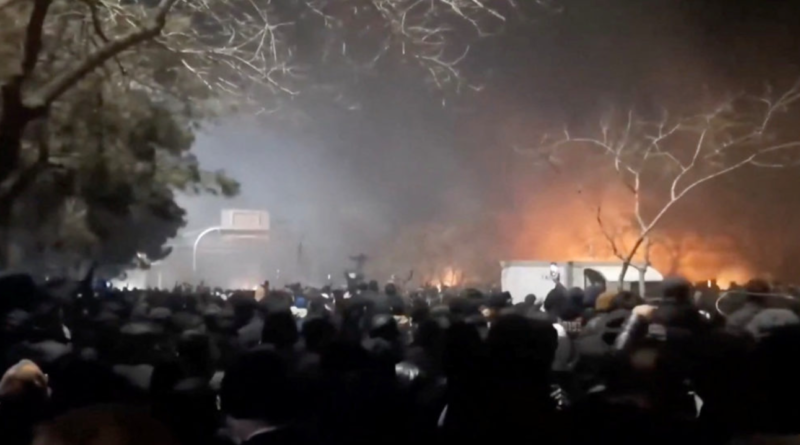
Thousands of people are feared dead. This follows a sweeping crackdown on anti-government protests in Iran. These accounts come from residents, human rights organisations, and international agencies. The full scale of the violence remains unclear. The ongoing nationwide internet shutdown has severely restricted information leaving the country.
An Iranian security official told the Reuters news agency that the death toll is as high as 2,000 people. This includes both civilians and members of the security forces. The figure has not been independently verified. However, multiple sources indicate casualties are far higher than in previous periods of unrest.
First Calls Describe Widespread Destruction
In recent hours, some Iranians have been able to make international phone calls for the first time in days. Relatives abroad say callers described scenes recallsing burned streets, heavy gunfire, mass arrests, and overwhelmed hospitals.
One resident from the northern city of Rasht told relatives that parts of the town were “unrecognisable.” Others described checkpoints on nearly every street. Security forces inspected vehicles and mobile phones.
State media claims that protests have subsided. However, videos and eyewitness accounts shared with international broadcasters suggest otherwise. Demonstrations continued overnight in several cities.
Execution Case Raises Alarm
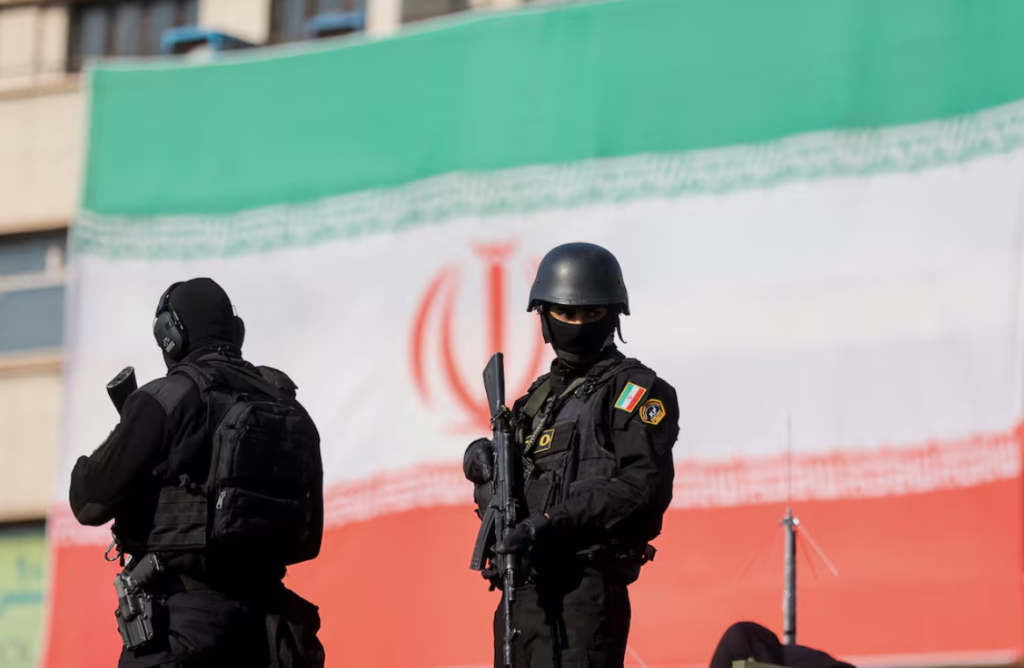
Human rights groups have expressed alarm over the case of Erfan Soltani, a 26-year-old protester reportedly detained last week. The Hengaw Organisation for Human Rights says his family has been informed about his imminent execution. However, details of his trial and charges have not been made public.
“This is one of the fastest-moving cases we have ever documented,” a spokesperson for the organisation said, adding that authorities appear to be using swift legal action to deter further protests.
Internet Blackout Hampers Verification
Iran’s government has imposed one of its most comprehensive internet shutdowns in years, cutting off mobile data, broadband services, and in some cases even phone calls. Monitoring group NetBlocks reports that national connectivity has dropped to around 3–5%, making real-time verification of videos and casualty figures extremely difficult.
Experts say the authorities have refined their ability to implement rapid, centralised shutdowns, effectively creating what some describe as an “internet kill switch.”
Unlike earlier shutdowns in 2019 and 2022, the current blackout has shown no significant restoration of access, even temporarily.
Hospitals Under Severe Strain
Doctors inside Iran, speaking anonymously, have described hospitals as overwhelmed with injured patients. Medical staff report shortages of blood supplies and essential equipment, with some facilities operating under crisis conditions.
Several medics said they had treated hundreds of patients suffering from gunshot wounds, while others reported receiving bodies faster than they could be processed.
International Response Intensifies
The crackdown has prompted strong reactions from Western leaders. The European Union said it would swiftly propose additional sanctions against Iranian officials deemed responsible for the violence. EU Commission President Ursula von der Leyen described the reported casualty figures as “horrifying” and condemned what she called the “excessive use of force.”
Germany’s chancellor said the Iranian leadership was increasingly reliant on violence to maintain control, while several European countries summoned Iranian ambassadors to explain the situation.
Meanwhile, US President Donald Trump announced that countries continuing to do business with Iran would face a 25% tariff on trade with the United States. His administration has confirmed that senior national security officials are meeting to discuss a range of diplomatic, economic, and military options.
China, Iran’s largest trading partner, criticised the move, warning that trade wars and economic pressure would not resolve the crisis.
Protests Rooted in Economic Crisis
The protests began more than two weeks ago following a sharp fall in the value of Iran’s currency, the rial, which has pushed the cost of basic goods sharply higher. Demonstrations initially focused on economic grievances but quickly expanded into broader calls for political change.
Human rights groups estimate protests have taken place in more than 180 cities and towns, making them among the most widespread seen in recent years.
While Iranian state media has highlighted large pro-government rallies, independent analysts have disputed official attendance figures, suggesting crowd sizes were significantly overstated.
Uncertainty Continues
With the internet blackout still largely in place, the true scale of deaths and arrests remains uncertain. The United Nations has said it has received reports of hundreds of deaths and thousands of arrests, but acknowledged that verification is challenging under current conditions.
As Iran remains largely cut off from the outside world, families abroad say they are anxiously waiting for further contact, fearing the situation inside may be far worse than what is currently known.