
Iran Missile Strike Near Israeli Nuclear Site Escalates Middle East Conflict
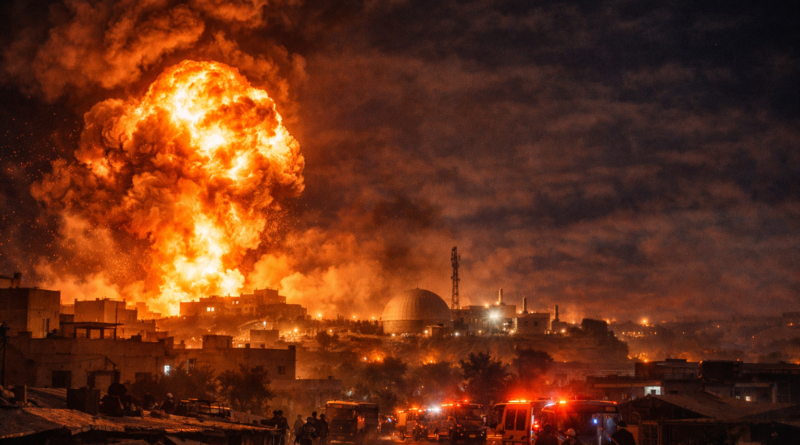
A recent missile strike near the southern Israeli city of Dimona has dramatically escalated tensions in the already volatile Middle East. The incident, which saw an Iranian ballistic missile impact close to a highly sensitive nuclear facility, has resulted in dozens of injuries and prompted widespread international concern. This event marks a significant intensification of the ongoing confrontation between Iran, Israel, and the United States.
Dozens Injured in Dimona Attack
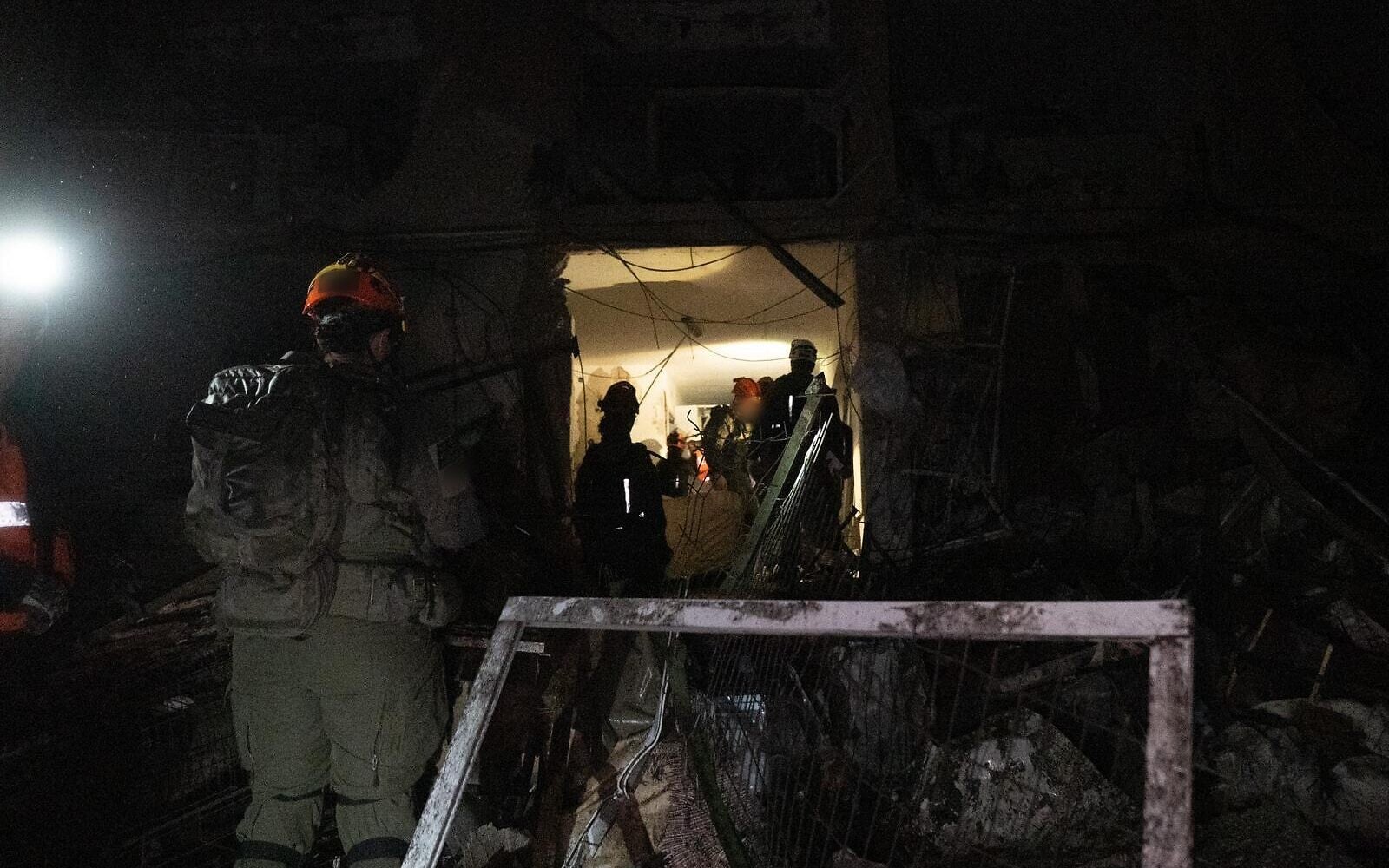
Emergency services at the scene of the missile strike near Dimona.
Israeli emergency services have confirmed that at least 47 individuals sustained injuries in the attack, primarily from shrapnel. Among the casualties, one child remains in serious condition, while others suffered moderate to minor wounds. The Israeli authorities have launched an investigation into how the missile managed to bypass the nation’s sophisticated air defence systems, including the Iron Dome, which is designed to intercept such threats.
Nuclear Facility in the Crosshairs
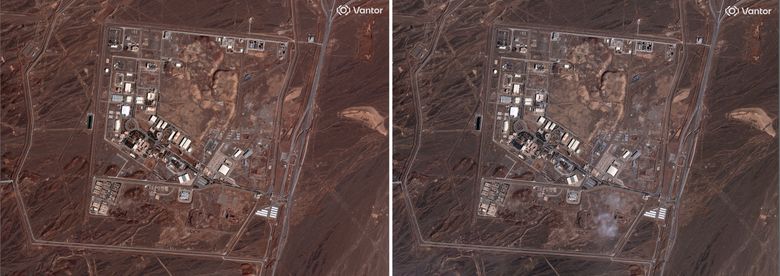
Satellite imagery shows the Natanz nuclear facility, which Iran claims was targeted by US and Israeli forces.
The missile strike occurred approximately 13 kilometres from the Negev Nuclear Research Center. This site is widely understood to be central to Israel’s undeclared nuclear capabilities. Israel keeps a policy of strategic ambiguity about its nuclear arsenal. Analysts have long identified the Dimona facility as a critical component of its deterrence strategy.
The International Atomic Energy Agency (IAEA) has acknowledged the incident. However, it has reported no evidence of damage to the nuclear facility itself. No abnormal radiation levels have been detected in the vicinity. Rafael Grossi, the IAEA Director General, issued a strong plea for “maximum military restraint,” particularly concerning nuclear infrastructure. He warned of the catastrophic consequences should the conflict escalate further in areas with such sensitive installations.
Iran Cites Retaliation for Natanz Attack
Iranian officials have stated that the missile strike was a direct response to earlier assaults on Iran’s Natanz nuclear facility. Tehran has accused both the United States and Israel of orchestrating these previous attacks. Reports suggest these attacks involved sophisticated cyber-attacks and physical sabotage. Iran’s atomic energy authority has reassured the public. They confirmed that no radiation leaks occurred at Natanz. They also stated that surrounding populations are safe.
This exchange of strikes underscores the fundamental disagreement driving the conflict. Israel and the US are determined to prevent Iran from developing nuclear weapons. Iran consistently asserts that its nuclear programme is exclusively for peaceful purposes.
The Shadow War Emerges into the Light
For years, the conflict between Israel and Iran was characterized as a “shadow war.” This involved a series of covert operations, cyber-attacks, and maritime skirmishes. These activities allowed both sides to maintain a degree of plausible deniability. However, the events of March 2026 have seen this conflict transition into a direct and overt military confrontation.
The escalation began in early March. A surprise US-Israeli operation reportedly targeted high-ranking Iranian officials. This included the Supreme Leader, during sensitive nuclear negotiations. This unprecedented move shattered the existing diplomatic framework and set the stage for the current cycle of violence. Since then, the conflict has expanded to include multiple missile barrages, drone strikes, and naval engagements across the region.
Cyber Warfare: The Invisible Front
Parallel to the physical strikes, a fierce cyber war is being waged. Both nations have reported significant disruptions to critical infrastructure, including power grids, water treatment facilities, and communication networks. The BBC understands that Israeli cyber-defence units have thwarted numerous attempts to infiltrate sensitive government databases. Iranian state media has reported “technical glitches” in several major cities. They attribute these glitches to foreign interference.
These cyber-attacks add another layer of complexity to the conflict. They can cause widespread civilian disruption without the immediate visibility of a missile strike. Analysts warn that the line between digital and physical warfare is becoming increasingly blurred. Each side uses cyber capabilities to amplify the impact of their conventional military operations.
Widening Regional Conflict and Global Implications
The latest developments are set against a backdrop of broader regional escalation across the Middle East. The US military has reported a weakening of Iran’s capacity to threaten shipping in the Strait of Hormuz. This follows strikes on underground missile facilities. Despite this, Iranian forces continue to target energy infrastructure and Gulf shipping routes. Reports of missile and drone activity have also emerged near Kuwait, the UAE, and critical Red Sea corridors.
Iranian military sources have issued warnings. They indicated that further escalation could disrupt vital maritime chokepoints. These include the Bab al-Mandab Strait, a crucial global trade route. Such disruptions would have significant repercussions for international commerce and energy supplies.
Global Energy Security Under Threat
The conflict’s impact on global energy markets is becoming increasingly evident, with oil prices experiencing significant volatility. The Middle East remains a critical hub for global energy production. Any disruption to its shipping lanes or production facilities has immediate global consequences.
Foreign ministers from the G7 nations have released a joint statement. The G7 comprises Canada, France, Germany, Italy, Japan, the United Kingdom, and the United States. They are calling for an “immediate and unconditional cessation” of hostilities. The statement emphasized the need for all parties to return to the negotiating table. It warned of the long-term economic damage that a prolonged conflict will inflict on the global economy.
IEA’s Unprecedented Intervention
The International Energy Agency (IEA) has acted to reflect the severity of the situation. It has coordinated the release of hundreds of millions of barrels of oil from strategic reserves. This is one of the largest interventions in the agency’s history. The aim is to offset potential shortages caused by the disruption of Iranian exports. There are also increased risks to shipping in the Persian Gulf.
“The global energy market is facing its most significant challenge in decades,” an IEA spokesperson said. “Our priority is to ensure that supply remains stable. We also aim to protect the global economy from the worst effects of this conflict.” Despite these measures, analysts warn about closing the Strait of Hormuz for a sustained period. This closure could lead to even more dramatic price spikes.
The Strait of Hormuz: A Global Chokepoint
The Strait of Hormuz, a narrow waterway between Iran and Oman, is the world’s most important oil transit point. Approximately one-fifth of the world’s total oil consumption passes through this strait daily. Iranian threats to close the waterway have long been a source of concern for global markets.
The US military has reported that recent strikes have weakened Iran’s ability to completely block the strait. However, the threat of “asymmetric” attacks remains high. These attacks utilize small boats, mines, and drones. The BBC understands that several international shipping companies have already rerouted their vessels or suspended operations in the region. This action leads to increased costs and delays in global supply chains.
Israel Signals Continued Military Operations, US Balances Restraint
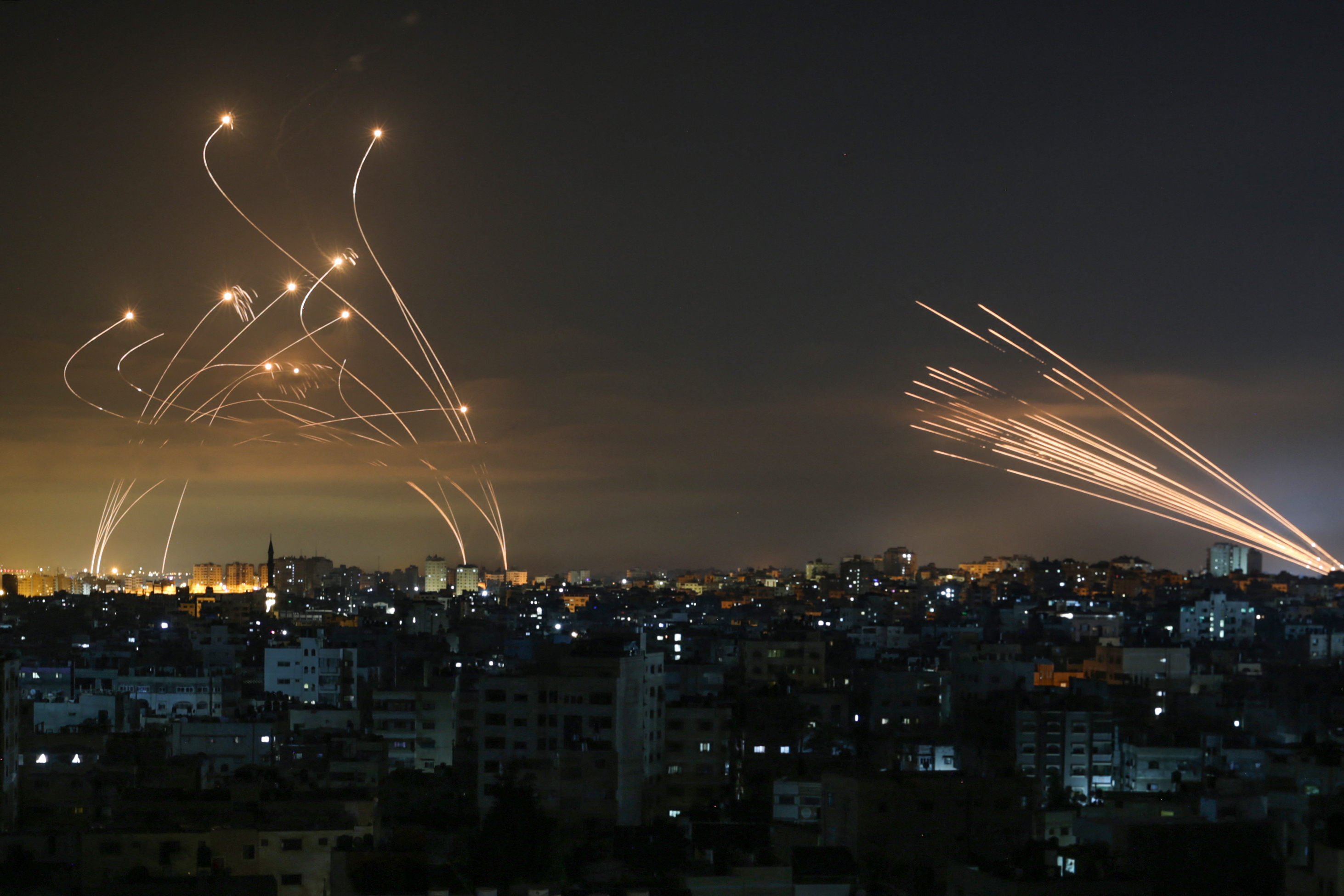
The Iron Dome air defense system in action over Israel.
Israeli Prime Minister Benjamin Netanyahu has indicated that military operations against Iran will continue “for as long as necessary,” though he suggested a quicker resolution might be possible. Defence officials have confirmed plans to intensify air strikes on Iranian targets, particularly if threats to Israeli territory persist. Meanwhile, the United States appears to be navigating a delicate balance between escalation and strategic restraint, with a particular focus on safeguarding vital shipping lanes.
Civilians Caught in the Crossfire
As with any conflict, civilians in both nations continue to bear the heaviest burden. The human cost of the escalation is measured not just in casualties. It also includes the widespread displacement and psychological trauma affecting millions.
In Tehran, the atmosphere is one of grim determination mixed with profound anxiety. Residents have reported extensive destruction in residential areas following air strikes. Emergency teams are working tirelessly through the night. Their goal is to locate survivors amidst the debris. The timing of the escalation, coinciding with the Iranian New Year (Nowruz), has been particularly poignant.
“This should be a time of celebration and renewal,” one Tehran resident told the BBC. “Instead, we are huddled in basements, listening for the sound of sirens. The fear is constant, and no one knows what tomorrow will bring.”
Life Under the Iron Dome
In Israel, the situation is equally tense. Communities in the south have spent much of the past three weeks in bomb shelters. This is especially true for those near Dimona and the Gaza border. The constant threat of missile fire has disrupted every aspect of daily life, from schools and businesses to public transportation.
“You never get used to the sound of the siren,” said a resident of a town near Dimona. “Even when the Iron Dome intercepts a missile, the explosion is terrifying. We are living in a state of constant alert, and the toll on our children is heartbreaking.”
The Israeli government has implemented emergency measures. These measures include the closure of schools in high-risk areas. They also involve the mobilization of thousands of reservists. Despite these efforts, the sense of security that many Israelis once felt has been deeply shaken by the recent strikes.
International Calls for De-escalation Intensify
World leaders are increasingly urging restraint, fearing that the conflict will spiral into a wider regional war. The UK government has reiterated its stance of not seeking broader involvement. It continues to offer defensive support to its allies. Conversely, Russia has publicly reaffirmed its support for Iran. This action further complicates the geopolitical landscape. It also affects the prospects for a diplomatic resolution.
High Risk of Further Escalation
The recent missile strike near one of Israel’s most sensitive locations highlights the precarious nature of the current situation. It also underscores how dangerous the situation has become. With nuclear-related sites now directly implicated, the risk of miscalculation has significantly increased. Analysts caution that without immediate and concerted diplomatic intervention, the conflict:
•Disrupt global energy supplies
•Expand into multiple regions, drawing in more international actors
•Increase the likelihood of direct confrontation between major global powers
For the foreseeable future, the situation remains highly volatile, with both sides showing little indication of de-escalation. The international community watches anxiously, hoping for a diplomatic breakthrough to avert a broader catastrophe.