

Iran’s 4,000km Missile Raises Questions Over Europe’s Security
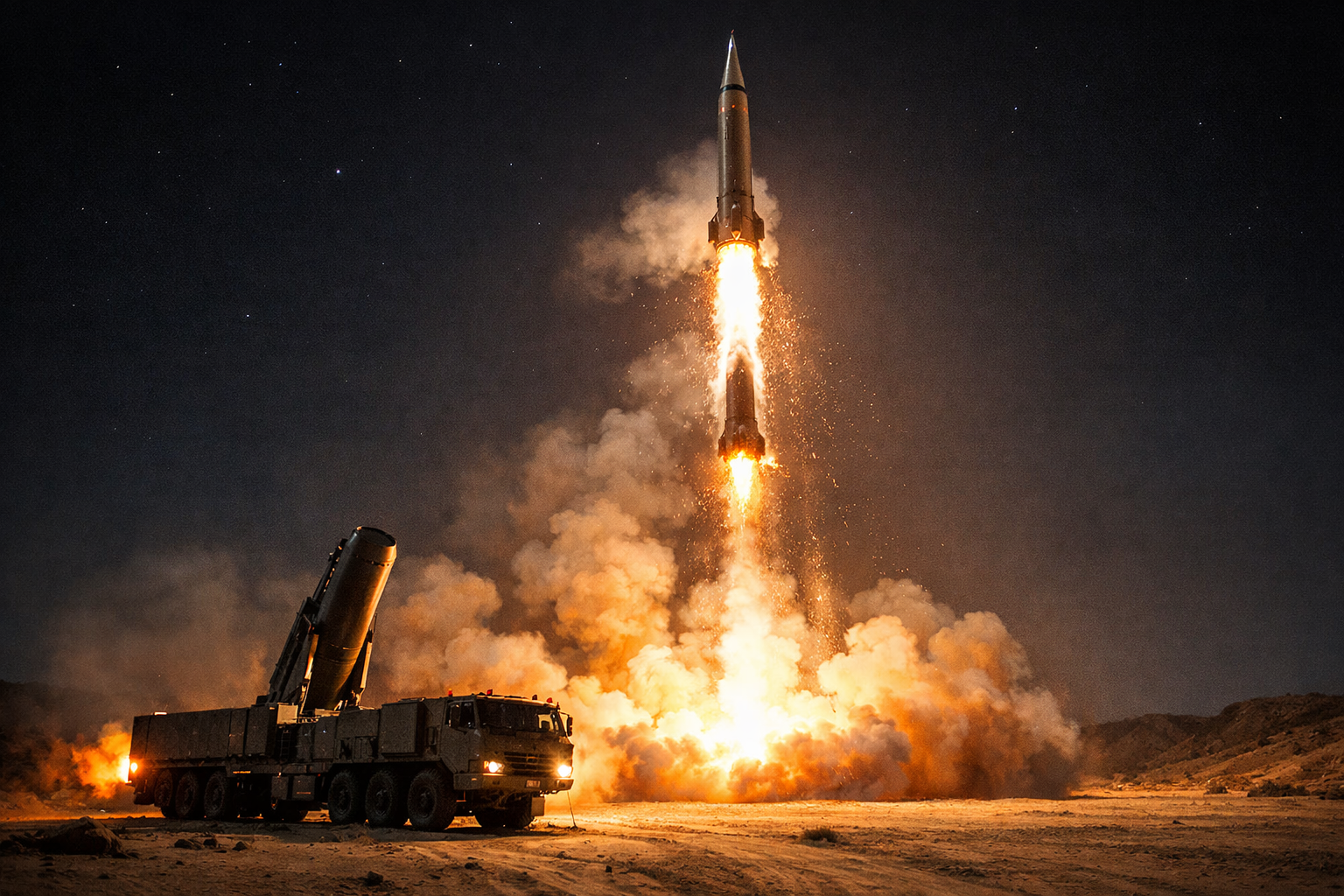
A dramatic night-time launch of an Iranian ballistic missile, highlighting the rapid advancement of Tehran’s aerospace capabilities.
In a dramatic escalation of global military tensions, Iran recently launched two intermediate-range ballistic missiles. These missiles targeted the joint military base of the United States and the United Kingdom. This base is on the remote Indian Ocean atoll of Diego Garcia. The missiles ultimately failed to strike their intended target. However, the sheer distance of the attempt, spanning approximately 4,000 kilometers, has sent shockwaves through Western defense establishments. This unprecedented launch effectively doubles Iran’s previously acknowledged missile range limit of 2,000 kilometers. This event fundamentally alters the strategic calculus for NATO. It raises a chilling question: Is Europe now within striking distance of Tehran’s ballistic arsenal?
The implications of this development extend far beyond the Middle East. For years, European capitals operated under the assumption that Iran’s missile program, while formidable, was geographically constrained. The Diego Garcia strike shatters that assumption. It forces military analysts, intelligence agencies, and policymakers to confront a new reality. The threat of Iranian long-range strikes is no longer a theoretical future scenario. It is now a present-day concern.
What Happened at Diego Garcia
On March 21, 2026, the geopolitical landscape shifted when Iranian forces fired two ballistic missiles toward Diego Garcia. Diego Garcia is situated deep in the Indian Ocean. It is a critical strategic hub for both the US and the UK. It serves as a launching pad for long-range bombers. It functions as a vital logistics center. It is a key node for naval operations across the Indo-Pacific and the Middle East.
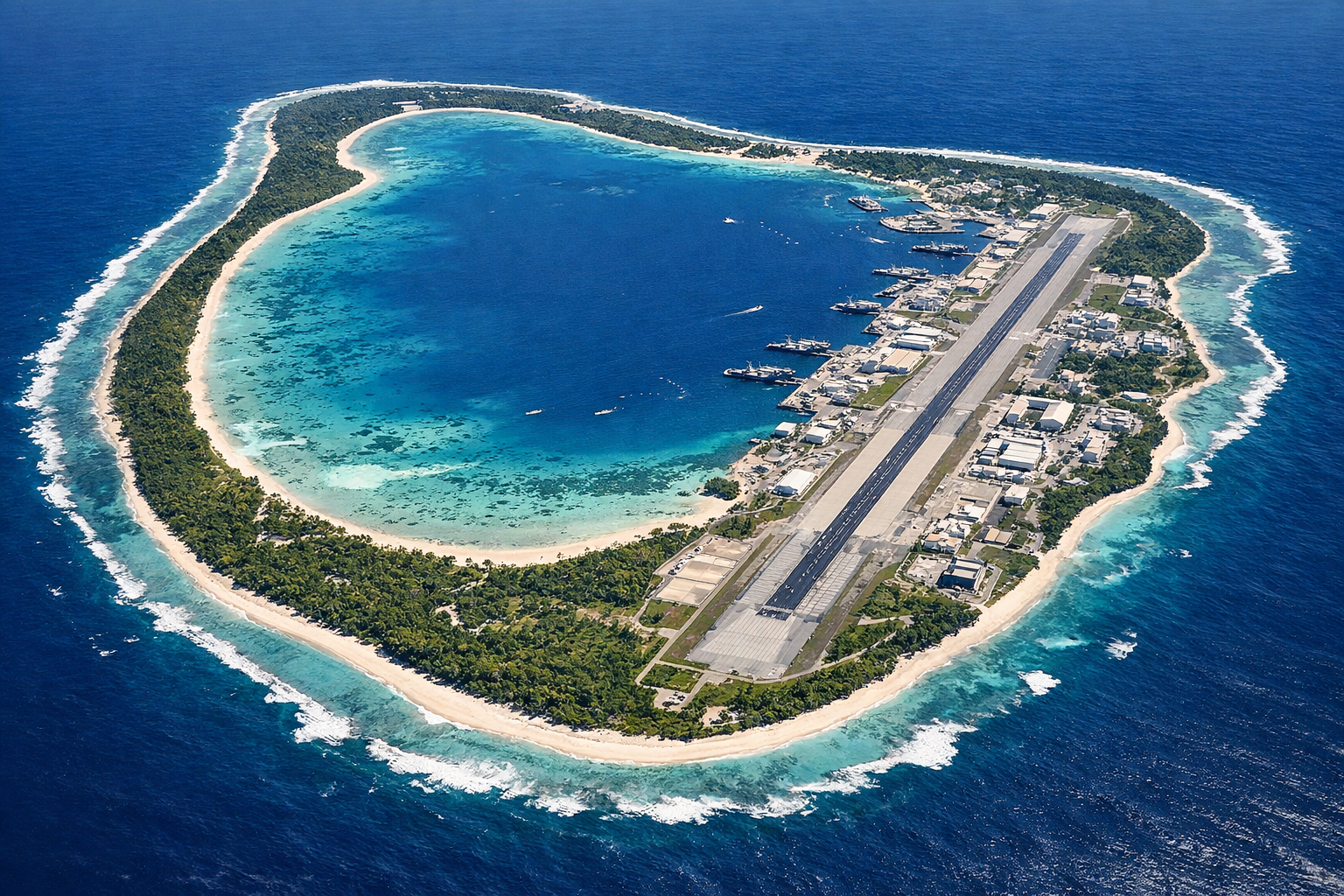
An aerial view of the Diego Garcia atoll, a critical joint US-UK military base in the Indian Ocean.
The missiles, launched from Iranian territory, traversed an estimated 3,800 to 4,000 kilometers before failing to reach the base. Reports indicate that the projectiles were either intercepted by advanced defense systems or suffered catastrophic malfunctions during their flight. Despite the failure to inflict damage, the attempt itself is a watershed moment. It marks the longest-range strike ever attempted by the Islamic Republic. This demonstrates a clear intent to project power far beyond its immediate borders. It aims to directly challenge Western military infrastructure in previously secure zones.
UK government officials, including Minister Steve Reed, confirmed the unsuccessful strike, denouncing the “reckless” nature of the attack. The targeting of Diego Garcia threatens a vital node in the global security architecture. It also signals Tehran’s willingness to escalate conflicts by striking assets central to US and allied power projection.
Iran’s Missile Technology Explained
To understand the gravity of the 4,000-kilometer range, one must examine the evolution of Iran’s missile program. Historically, Iran has had one of the largest and most diverse missile arsenals in the Middle East. It primarily consists of short- and medium-range ballistic missiles. These missiles are designed to deter regional adversaries like Israel and Saudi Arabia. For years, Iranian officials, including the Supreme Leader, maintained a self-imposed range limit of 2,000 kilometers. This policy was ostensibly designed to avoid provoking European nations. It aimed to prevent triggering a broader conflict.
The Diego Garcia strike indicates a significant technological leap. Military experts suggest that achieving a 4,000-kilometer range requires sophisticated multi-stage launch technology. Former Israel Defense Forces (IDF) air defense chief Brigadier General Ran Kochav noted the launch involved two stages. It was a “satellite-like” process. Iran has spent years developing Space Launch Vehicles (SLVs), such as the Qaem-100. Western intelligence agencies have long suspected these vehicles of being a dual-use cover for Intercontinental Ballistic Missile (ICBM) development.
| Missile Category | Estimated Range | Primary Targets | Technological Complexity |
| Short-Range (SRBM) | Up to 1,000 km | Regional bases, neighboring countries | Single-stage, solid or liquid fuel |
| Medium-Range (MRBM) | 1,000 – 3,000 km | Israel, Eastern Mediterranean | Single or two-stage, advanced guidance |
| Intermediate-Range (IRBM) | 3,000 – 5,500 km | Diego Garcia, Western Europe | Multi-stage, exo-atmospheric flight |
Analysts propose two primary theories for how Iran achieved this extended range. The first involves using a modified Khorramshahr-4 class missile. Another possibility is a land-based adaptation of the Soviet-era R-27 submarine-launched ballistic missile. The second theory suggests that Iran utilized a significantly lighter warhead. By reducing the payload weight from a standard 1.5 tons to a fraction of the original size, a missile can travel much farther. It uses the same amount of propulsion energy. Regardless of the specific method, mastering multi-stage technology allows the extension of the range to the continental United States. This distance is approximately 10,000 kilometers. Achieving this is now a matter of engineering refinement rather than fundamental scientific discovery.
Is Europe Really in Range?
The most alarming consequence of a 4,000-kilometer missile capability is the redrawing of the global threat map. A 4,000-kilometer radius centered on Western Iran encompasses nearly all of Europe.
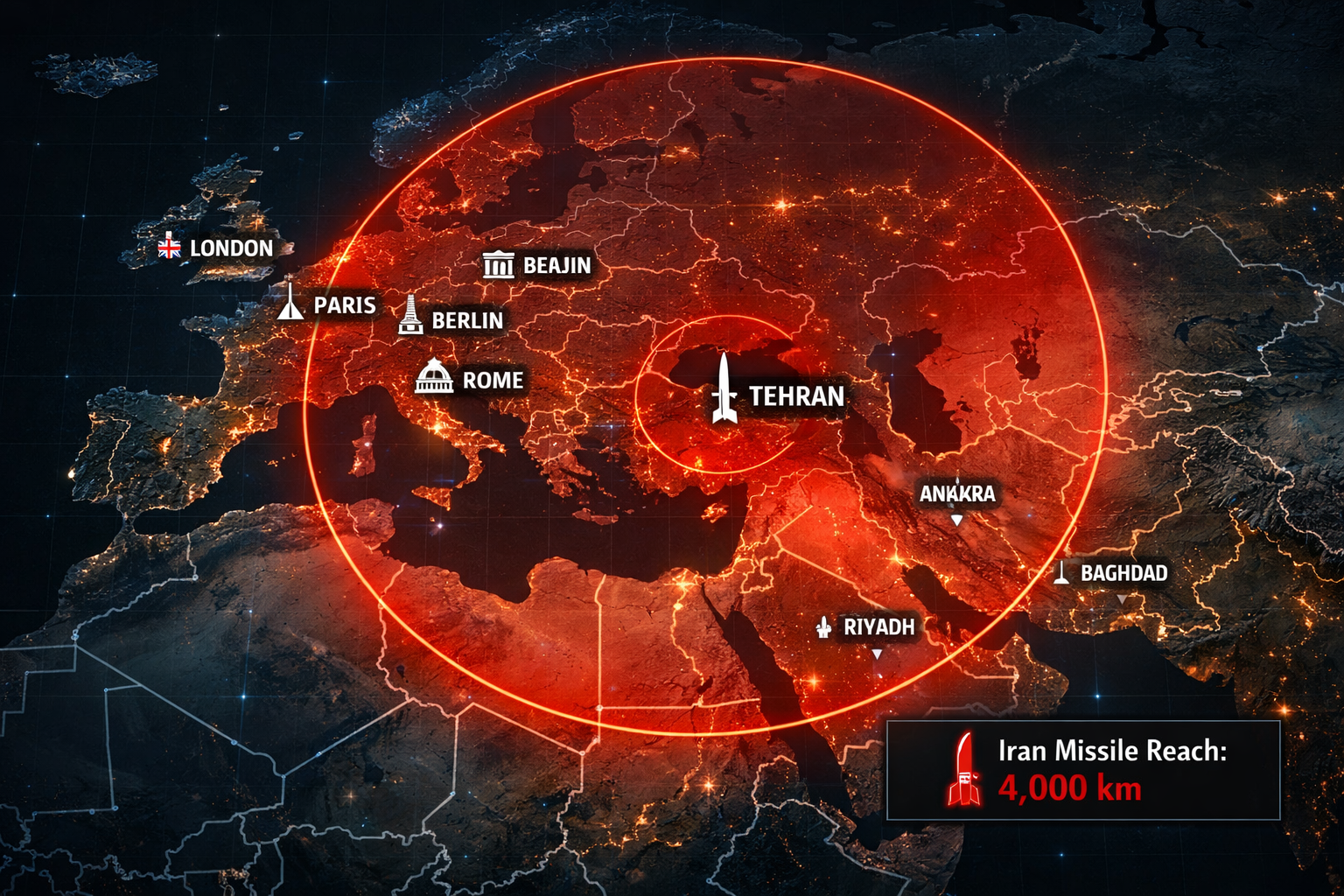
A strategic map illustrating the 4,000-kilometer reach of Iran’s new missile capabilities, placing major European capitals within range.
If Iran can reliably launch missiles over this distance, major European capitals are theoretically within striking distance. These capitals include London, Paris, Berlin, and Rome. As Brigadier General Kochav starkly warned, “trajectory physics means they can strike from any azimuth… Consequently, London, Paris, Berlin, and every other European capital now lie within credible Iranian reach.”
However, the assessment of this threat is deeply divided between military analysts and official government positions. Experts highlight the theoretical capability of the Diego Garcia launch. Meanwhile, European officials downplay the immediate danger to their homelands.
The UK government, for instance, has stated that there is no confirmed evidence that Iran is directly targeting Europe. Officials have stressed that there is no operational assessment indicating an imminent strike on London or other British cities. This skepticism is rooted in the distinction between possessing a theoretical capability and having a reliable, deployable weapon system. The system must have the necessary accuracy and payload capacity to threaten a heavily defended European capital.
Military & Political Reactions
The international reaction to Iran’s expanded missile range has been a mix of stark warnings and measured diplomatic responses.
Israel has been the most vocal in sounding the alarm. Israeli intelligence and military officials argue that the 2,000-kilometer limit has been permanently shattered. This development exposes a clandestine Iranian program. The program aims at developing global strike capabilities. They view the Diego Garcia launch as proof that Iran’s ambitions extend far beyond regional dominance.
In the United States, intelligence agencies have reiterated their concerns. They believe that Iran’s SLV program is shortening the timeline for ICBM development. The US has reaffirmed its commitment to defending its bases. It is also dedicated to supporting its European allies. The country recognizes that the threat profile has fundamentally changed.
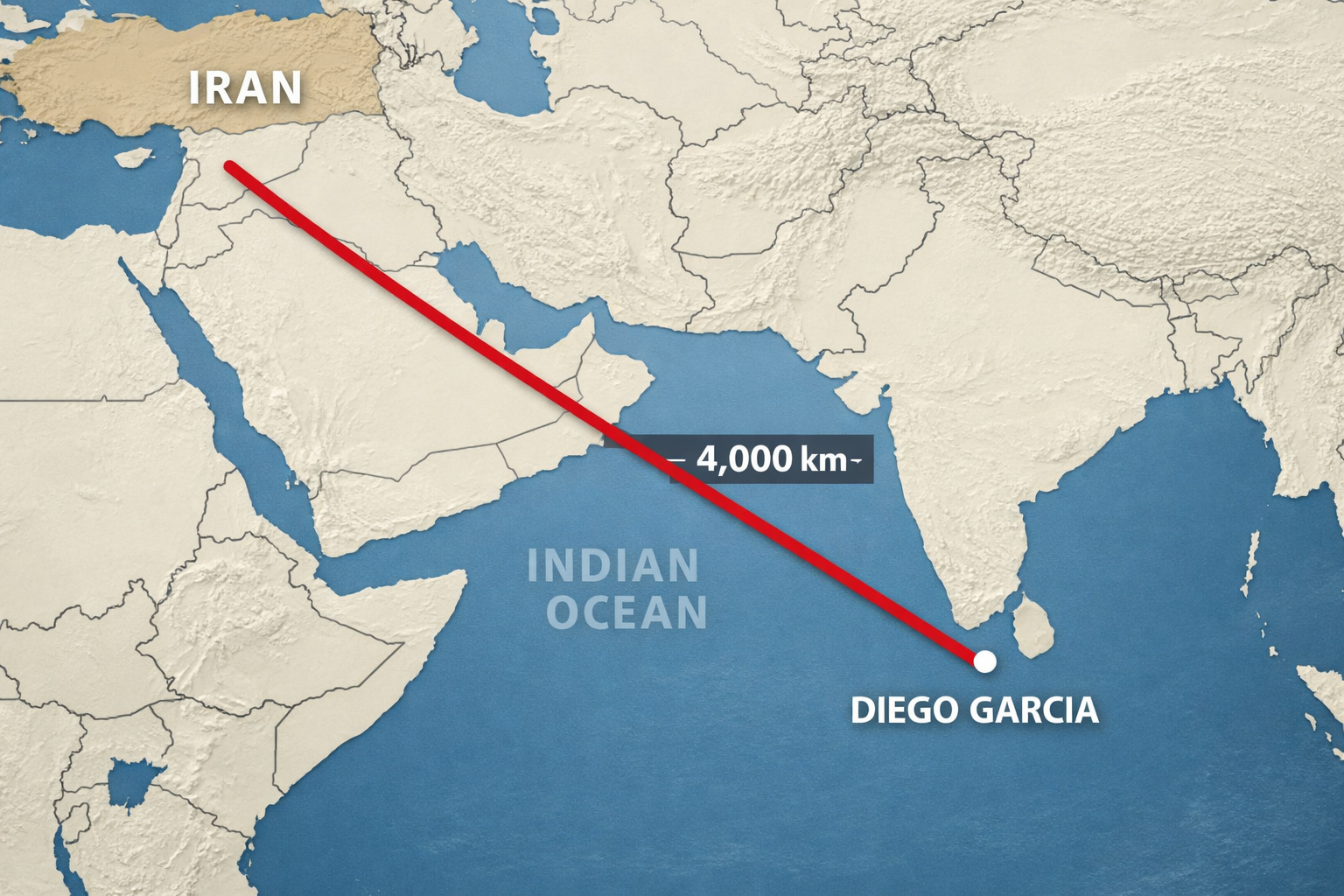
The 4,000-kilometer trajectory from Western Iran to the Diego Garcia military base in the Indian Ocean.
Conversely, the UK and NATO have adopted a more cautious public stance. UK officials condemned the “reckless” strike on Diego Garcia. They have sought to prevent public panic by emphasizing the lack of direct threats to the British mainland. NATO Secretary General Mark Rutte acknowledged the range expansion but highlighted the alliance’s integrated air and missile defense shield. However, experts point out that countries like Germany are deploying advanced systems like the Arrow-3. Despite this, broader NATO coverage against long-range, exo-atmospheric ballistic missiles remains uneven.
Global Security Implications
The shift from a regional Middle Eastern threat to a potential continental risk has profound implications for global security. The Diego Garcia strike demonstrates that the Middle East is no longer a geographically contained theater of conflict.
This development places immense pressure on NATO to accelerate the deployment and integration of advanced missile defense systems across Europe. Initiatives like the European Sky Shield will likely see increased funding. There will be more urgency as nations realize that existing defenses are insufficient against saturation strikes. These defenses may also be inadequate against advanced multi-stage missiles.
Furthermore, the vulnerability of Diego Garcia alters the strategic balance in the Indo-Pacific and the Middle East. If US and UK forces cannot operate securely from this vital hub, they cannot project power effectively. They are unable to protect shipping lanes and respond to crises in the region. Their capacity for these actions is severely compromised.
Energy & Economic Impact
The escalation of missile capabilities also carries significant economic risks. The Middle East remains the lifeblood of the global energy market. The Strait of Hormuz serves as a critical chokepoint for oil shipments.
Any further escalation involving long-range missile strikes will severely disrupt shipping in the Indian Ocean and the Persian Gulf. The mere threat of such strikes can drive up insurance premiums for commercial vessels. This leads to increased costs for global supply chains. In a worst-case scenario, a broader conflict can cause oil prices to spike. This could trigger inflationary pressures and threaten the stability of the global economy.
Could This Lead to War with Europe?
The pressing question for many is whether this technological leap will lead to a direct military confrontation. Could such advancements result in conflict between Iran and Europe? Currently, the threat remains largely theoretical rather than imminent.
A realistic assessment suggests that Iran’s primary goal is strategic deterrence rather than initiating an unprovoked war with NATO. Tehran demonstrates the capability to strike Diego Garcia. By extension, they can also target Europe. Tehran aims to increase the costs of any potential Western military intervention against its nuclear facilities or regional interests.
However, the risk of miscalculation is high. If Iran were to conduct further tests that cross European airspace, the situation will rapidly spiral out of control. A malfunctioning missile striking a populated area would also cause this. The exaggerated threat of an immediate attack on London or Paris needs careful consideration. This must be balanced against the very real danger of accidental escalation in a highly volatile environment.
Expert Analysis Section
Military analysts view the Diego Garcia strike as a pivotal moment in Iranian strategic doctrine. The move from a self-imposed 2,000-kilometer limit shows a transformation. It demonstrates a 4,000-kilometer capability, indicating a shift toward a more aggressive, outward-looking defense posture.
Experts emphasize that the missiles missed Diego Garcia. However, the launch provided invaluable telemetry and flight data for Iranian engineers. This data will be used to refine their multi-stage technologies, improving accuracy and reliability for future iterations. Defense analysts agree that Europe must now see Iranian ballistic capabilities as a direct continental risk. This situation necessitates a comprehensive review of NATO’s integrated air and missile defense architecture.
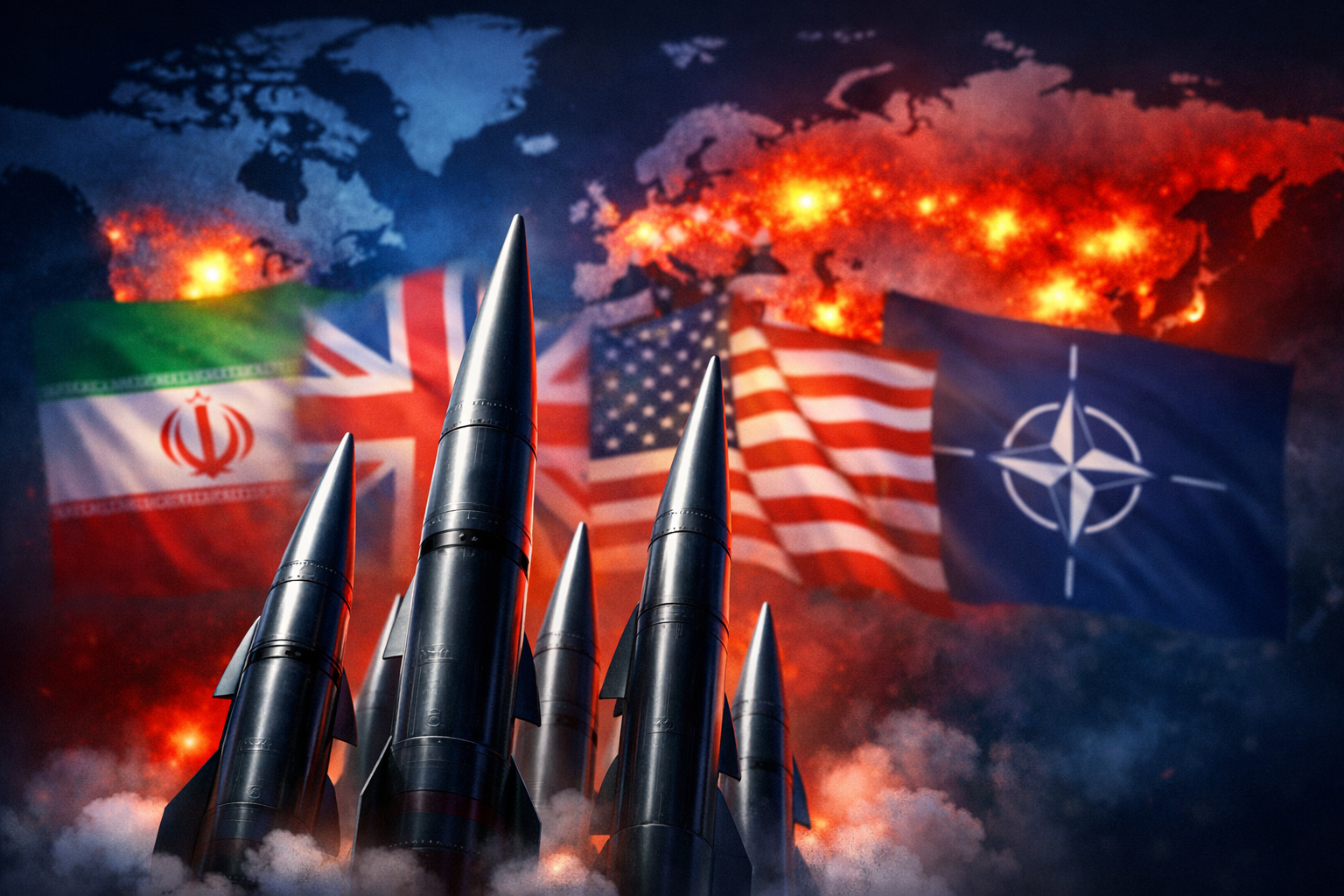
The expansion of Iran’s missile range symbolizes a dangerous shift from regional disputes to global geopolitical tension.
Iran attempted to strike the Diego Garcia military base from 4,000 kilometers away. This marks a dangerous new chapter in global security. Tehran has effectively doubled its demonstrated missile range. It has shown the theoretical capability to reach major European capitals.
The UK and Europe urge calm in their official statements. They emphasize the lack of immediate targeting. However, the geographic constraints that once limited Iran’s military reach are undeniably eroding. Iran continues to refine its multi-stage and satellite launch technologies. As a result, uncertainty surrounds its ultimate intentions, fueling rising tensions. The era of strategic complacency regarding Iran’s missile program has ended. The international community must now navigate a far more complex and perilous threat landscape.