Greenland Would Choose Denmark Over the US, Prime Minister Says
Greenland’s prime minister has made a clear statement. If the island were forced to choose between Denmark and the United States, his government would stand with Denmark. This statement rejects the renewed US interest in taking control of the territory.
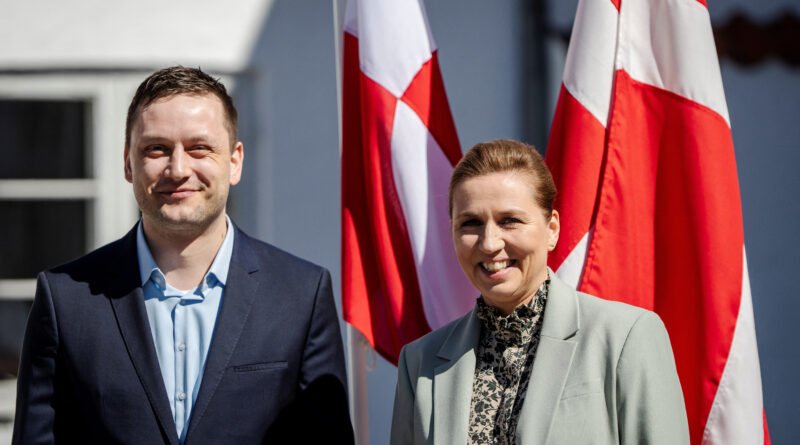
Jens-Frederik Nielsen spoke at a joint news conference in Copenhagen. He was alongside Danish Prime Minister Mette Frederiksen. He said Greenland had no desire to become part of the United States.
“If we have to choose between the United States and Denmark here and now, we choose Denmark,” he said. He added that Greenland did not want to be owned by the US. Greenland also did not want to be governed or incorporated by the US in any form.
The comments come amid increasing pressure from US President Donald Trump. He has revived his long-standing argument. Washington needs to take control of Greenland for national security reasons. Trump has said the island is strategically vital. It is crucial to counter the influence of Russia and China in the Arctic. He has repeated claims that the US must ultimately “own” the territory.
The White House has previously floated the idea of purchasing Greenland. It has not ruled out other options. This raises concern among European allies.
Strategic Importance and Military Presence
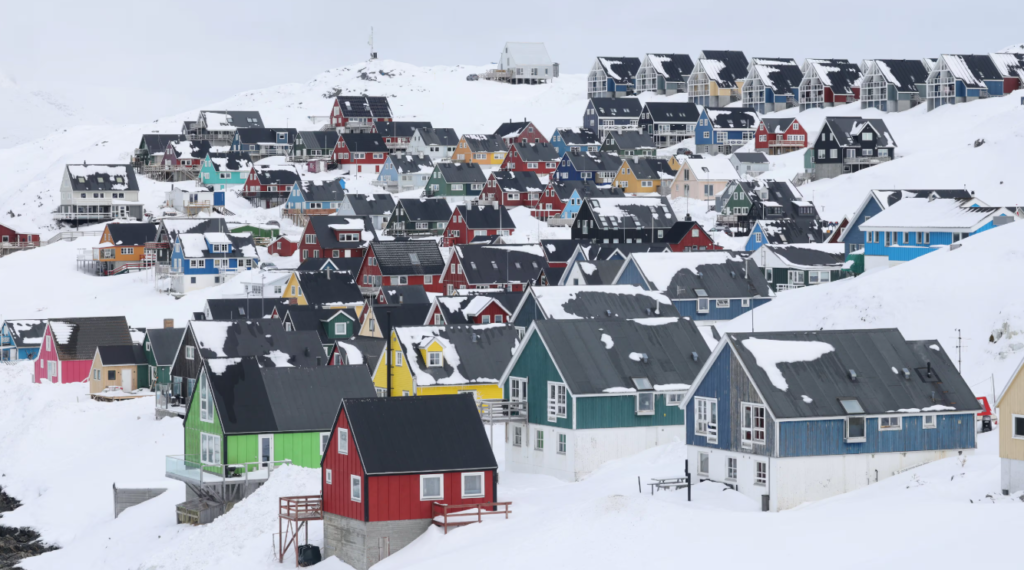
Greenland is one of the world’s most sparsely populated regions. However, its position between North America and the Arctic Ocean gives it significant strategic value. The island plays a key role in early-warning systems for missile detection and in monitoring shipping routes across the Arctic.
The United States already operates the Pituffik Space Base in north-western Greenland, where more than 100 US military personnel are permanently stationed. Under existing defence agreements with Denmark, Washington is permitted to deploy additional forces to the island if required.
However, Trump has argued that these arrangements are insufficient. Speaking in Washington last week, he said leasing bases was “not good enough” and insisted that US ownership of Greenland was necessary, adding that Nato allies “have to understand that”.
Denmark Pushes Back
Denmark, a fellow Nato member, has strongly rejected the idea. Prime Minister Frederiksen described the pressure from Washington as “completely unacceptable” and warned that the use of military force against an ally would threaten the foundations of the trans-Atlantic alliance.
She said the situation had entered a difficult phase and suggested tensions will intensify in the coming weeks.
European Nato members, as well as Canada, have publicly backed Denmark, stressing that decisions about Greenland’s future can only be made by Denmark and Greenland themselves. Several governments reiterated the importance of respecting international law, including national sovereignty and the inviolability of borders.
Diplomatic Talks Ahead
The remarks come ahead of planned talks in the United States, where Danish Foreign Minister Lars Løkke Rasmussen and Greenland’s foreign affairs minister Vivian Motzfeldt are due to meet US Vice-President JD Vance and Secretary of State Marco Rubio.
Officials say the meetings will focus on Arctic security and cooperation, but Greenland’s leadership has made clear that any discussion must respect the island’s autonomy and existing relationship with Denmark.
Growing Global Interest in Greenland
Interest in Greenland has intensified in recent years as climate change accelerates ice melt, making access to the island’s natural resources easier. Greenland is believed to hold significant reserves of rare earth minerals, uranium, iron ore, and oil and gas, resources that are increasingly important in global competition.
Trump first proposed buying Greenland in 2019 during his previous presidency, an idea that was swiftly dismissed by both Danish and Greenlandic leaders.
For now, Greenland’s government has reaffirmed its position: while it recognises the island’s strategic importance, its future will be decided by Greenlanders themselves , not by outside powers.