
British Forces Intercept Drone Swarm in Iraq as Middle East Tensions Escalate
Fourteen attack drones shot down overnight in one of the most intense incidents since conflict began
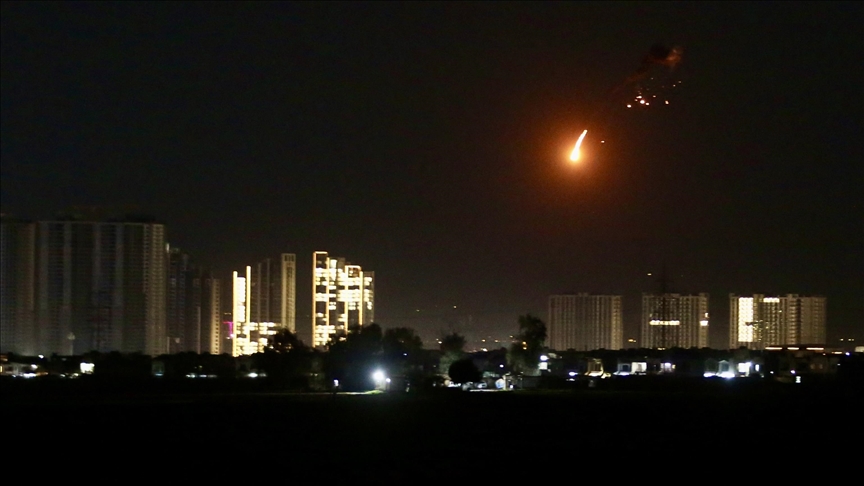
British troops stationed in the Middle East have intercepted and destroyed a large wave of attack drones. Defence officials describe this as one of the most significant incidents since the start of the current regional conflict.
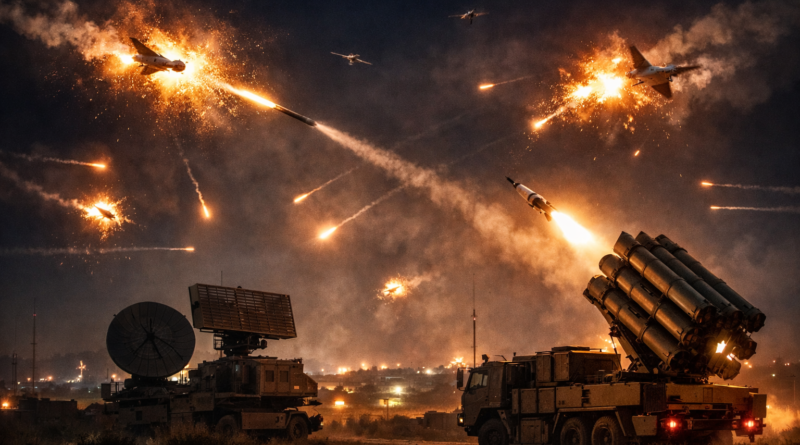
Officials reported that 14 one-way attack drones were shot down overnight. They were approaching a coalition military base near Erbil in northern Iraq. The operation was carried out by specialist air defence units, who responded within minutes to the incoming threat.
No British personnel were reported injured in the incident.
Defence sources said the drones were likely part of a coordinated swarm attack. This tactic is increasingly used in modern conflicts. It aims to overwhelm air defence systems through volume and timing. Each unmanned aerial vehicle (UAV) was designed for one-way impact, carrying explosive payloads intended to strike infrastructure and personnel on the ground.
British forces deployed a ground-based air defence system, capable of detecting, tracking and engaging multiple targets simultaneously. Officials noted that the system’s rapid response played a crucial role in neutralising the threat before any damage occur.
The base near Erbil has been targeted repeatedly in recent weeks, reflecting a broader pattern of instability across northern Iraq. Coalition forces operating in the region remain on heightened alert amid concerns that such attacks increase in frequency.
Military analysts believe that drone swarms signify a shift in battlefield tactics. These swarms allow armed groups to launch assaults that are relatively low in cost but have high impact. Compared to traditional missile systems, drones can be deployed in larger numbers. They can also originate from less predictable locations. This makes them harder to intercept.
Officials also indicated that intelligence assessments highlight ongoing capabilities among Iran-aligned groups in the region. This is true despite sustained military pressure from Western and allied forces. While the intensity of attacks had briefly declined, the latest incident suggests a return to more consistent levels of activity.
The overnight engagement is now being reviewed by defence authorities as part of a wider assessment of regional security risks. Additional protective measures may be considered to reinforce coalition bases and safeguard personnel against future threats.
Despite the successful interception, the incident highlights the fragile security environment in the Middle East. Escalating tensions continue to carry the risk of broader confrontation.
Rapid Response Prevents Impact
Officials familiar with the operation said the engagement unfolded over a short but intense period. Radar systems detected multiple aerial contacts almost simultaneously. The incoming drones approached from different directions and altitudes. This indicates a level of planning. It was intended to test defensive coverage and response time.
Air defence crews were required to make rapid targeting decisions, prioritising threats based on trajectory, speed and potential impact zones. The interception process involved continuous tracking. Real-time coordination between surveillance units and missile operators was crucial. This coordination ensured that each drone was neutralised before entering the immediate perimeter of the base.
Sources highlighted the importance of early warning intelligence. This intelligence allowed forces to remain on heightened readiness before the attack. This preparedness is believed to have significantly reduced reaction time and contributed to the overall success of the operation.
In addition to the immediate defensive response, the incident is expected to provide valuable operational data. Analysts will examine flight patterns. They will analyze approach vectors and system performance. Their goal is to refine future counter-drone strategies and improve resilience against increasingly complex aerial threats.
The event has further reinforced concerns among defence planners about the evolving sophistication of unmanned systems in the region. As tactics continue to adapt, military forces are emphasizing layered defence approaches. These combine detection, interception, and electronic countermeasures.
Signs of Renewed Escalation
Defence officials say the attack reflects a broader pattern of increasing activity after a short period of relative decline.
One official indicated that the rate of attacks appears to be returning to earlier levels. This suggests that armed groups in the region remain capable of launching sustained drone operations.
Officials monitoring the situation say the recent surge fits into a cyclical pattern of escalation. Periods of reduced activity are followed by sudden, concentrated bursts of attacks. This approach is often used to stretch defensive resources and maintain constant pressure on coalition positions.
Security analysts note that the persistence of such operations highlights the resilience of armed networks in the region. These networks have adapted their tactics in response to ongoing military strikes. These groups don’t rely only on large-scale offensives. Instead, they favour smaller, frequent engagements. These are designed to test vulnerabilities and gather intelligence on defensive responses.
There is also growing concern about these operations. They are becoming more technically coordinated. Improved timing and targeting suggest access to better reconnaissance and planning capabilities. This raises questions about the level of logistical support and operational sophistication available to these groups.
Western defence officials have warned that while direct confrontation may fluctuate, the underlying capabilities enabling these attacks remain largely intact. As a result, the risk of sudden escalations continues, particularly in areas hosting coalition forces or strategic infrastructure.
In response, allied militaries are expected to intensify surveillance efforts. They will reinforce defensive systems. The focus will be on countering evolving drone tactics and preventing future breaches.
Growing Regional Tensions
The drone interception comes at a time of heightened instability across the Middle East. Multiple areas in the region have reported increased military activity, raising concerns about the potential for a wider escalation.
Maritime security analysts warn that even limited disruptions in the area can have immediate ripple effects on global trade. Shipping companies reassess routes. Insurance costs rise. Transit times increase. Some operators have already begun adjusting schedules or diverting vessels to avoid high-risk zones, adding further strain to supply chains.
The waterway’s strategic importance is significant. Any sustained threat will add pressure to energy markets. This is especially true when global demand is sensitive to geopolitical developments. Traders and governments are closely monitoring the situation, with volatility already reflected in fluctuating oil and gas prices.
In response, discussions are ongoing among allied nations. They are focused on strengthening multinational maritime security efforts. This includes increased surveillance and coordinated patrols. Another focus is the potential deployment of both crewed and autonomous systems to safeguard commercial shipping.
Diplomatic channels are also being tested, as governments attempt to balance deterrence with efforts to prevent further escalation. However, tensions persist on multiple fronts. Officials acknowledge that maintaining stability in such a critical corridor is becoming increasingly complex.
The evolving situation underscores how developments on land are now directly influencing security at sea. This includes drone and missile activity. Such connections link regional conflict dynamics to global economic stability.
Global Implications
International partners are closely monitoring the situation. Any sustained disruption in the region could have far-reaching economic and security consequences.
Energy markets have already shown signs of volatility, reflecting uncertainty over the stability of key supply routes.
The UK is expected to continue contributing to efforts alongside allied nations. These efforts aim at maintaining regional security. They also ensure safe passage through critical maritime corridors when conditions allow.
Policymakers are increasingly focused on the knock-on effects for global economic stability beyond the immediate region. This is especially true if tensions persist or intensify. Any prolonged disruption to key transit routes affect energy supplies. It also affects the wider flow of goods between Asia, Europe, and beyond.
Financial markets have begun reacting cautiously, with investors closely tracking developments for signs of further escalation. Analysts warn that uncertainty in such a strategically sensitive area can quickly lead to higher transportation costs. It can also result in increased insurance premiums and broader inflationary pressure.
For the UK and its European partners, the situation carries both economic and strategic significance. Governments are assessing contingency plans to mitigate potential supply shocks. They are also considering how best to support international efforts aimed at preserving freedom of navigation.
Defence cooperation is expected to play a central role. Allied nations will share intelligence and coordinate responses. They will also explore the expanded use of advanced surveillance and interception technologies across both land and maritime domains.
At the same time, diplomatic engagement remains a key priority. Officials emphasise the importance of maintaining open channels of communication. This openness reduces the risk of miscalculation. This is particularly important in a region with multiple actors operating in close proximity.
The developments highlight how a localised security incident can quickly evolve into a matter of global concern. This evolution has implications stretching far beyond the immediate conflict zone.
A Conflict Entering a New Phase
The immediate threat in Erbil has been neutralised. However, the incident highlights the evolving nature of modern warfare. Drone technology now plays an increasingly central role.
The frequency and scale of such attacks appear to be rising again. Analysts warn that the conflict is entering a more unpredictable phase. It is also becoming a technologically driven phase.
For now, British forces remain on high alert as tensions continue to develop across the region.
Defence experts say the increasing reliance on unmanned systems reflects a broader transformation in how conflicts are being fought. In this transformation, speed, precision, and cost-efficiency are becoming as decisive as traditional firepower. Drone technology enables actors to project force with reduced risk to personnel. It also maintains their ability to carry out persistent and targeted strikes.
There are also indications that these systems are becoming more adaptable, with improvements in navigation, coordination and resistance to countermeasures. This raises concerns that future engagements will involve more complex attack patterns. These patterns combine drones with other forms of weaponry. This combination could challenge even advanced defence networks.
Military planners are now placing greater emphasis on integrated defence strategies. They combine radar, interception systems, and electronic warfare capabilities to counter emerging threats. The focus is not only on reacting to attacks. It is also on anticipating and disrupting them before they reach critical stages.
At the same time, the psychological dimension of such operations is becoming more apparent. Frequent, unpredictable attacks can place sustained pressure on personnel and infrastructure. Even when successfully intercepted, these attacks contribute to a prolonged state of tension across affected areas.
As the situation evolves, officials acknowledge that maintaining stability will require both technological adaptation and coordinated international responses. The immediate danger has been contained. However, the broader trajectory of the conflict suggests that future incidents will become increasingly difficult to predict. Managing these incidents will also become more challenging.