

Andrew Mountbatten-Windsor Arrested on Misconduct Suspicion
Andrew Mountbatten-Windsor has been arrested. He remains in police custody on suspicion of misconduct in public office. This follows action taken today by Thames Valley Police. The arrest was made after formally assessing a complaint. The complaint relates to the alleged sharing of confidential material during his time carrying out public duties.
The matter gained renewed attention after the January release of the so-called Epstein files. This was a large body of legal documents related to the late American financier Jeffrey Epstein. Information in those documents was reviewed by police. This review occurred before deciding to proceed with an arrest.
The development comes on Mountbatten-Windsor’s 66th birthday and has prompted widespread national and international attention. As part of the ongoing investigation, police are carrying out searches at a number of locations linked to him.
The case raises broader questions about public accountability, trust in public office, and the application of the law without exception. Police have emphasised that the investigation remains ongoing, and that no charges have been brought at this stage. Media coverage and public scrutiny are expected to continue as the legal process moves forward.
What Happened Today
Today, Andrew Mountbatten-Windsor was taken into custody by Thames Valley Police. He remains under arrest and in police custody. This status can be maintained for up to 96 hours. The duration depends on the severity of the alleged offence and judicial authorisation. The arrest was not an isolated event. It was accompanied by a series of coordinated police searches. These searches took place across multiple properties relevant to the investigation.
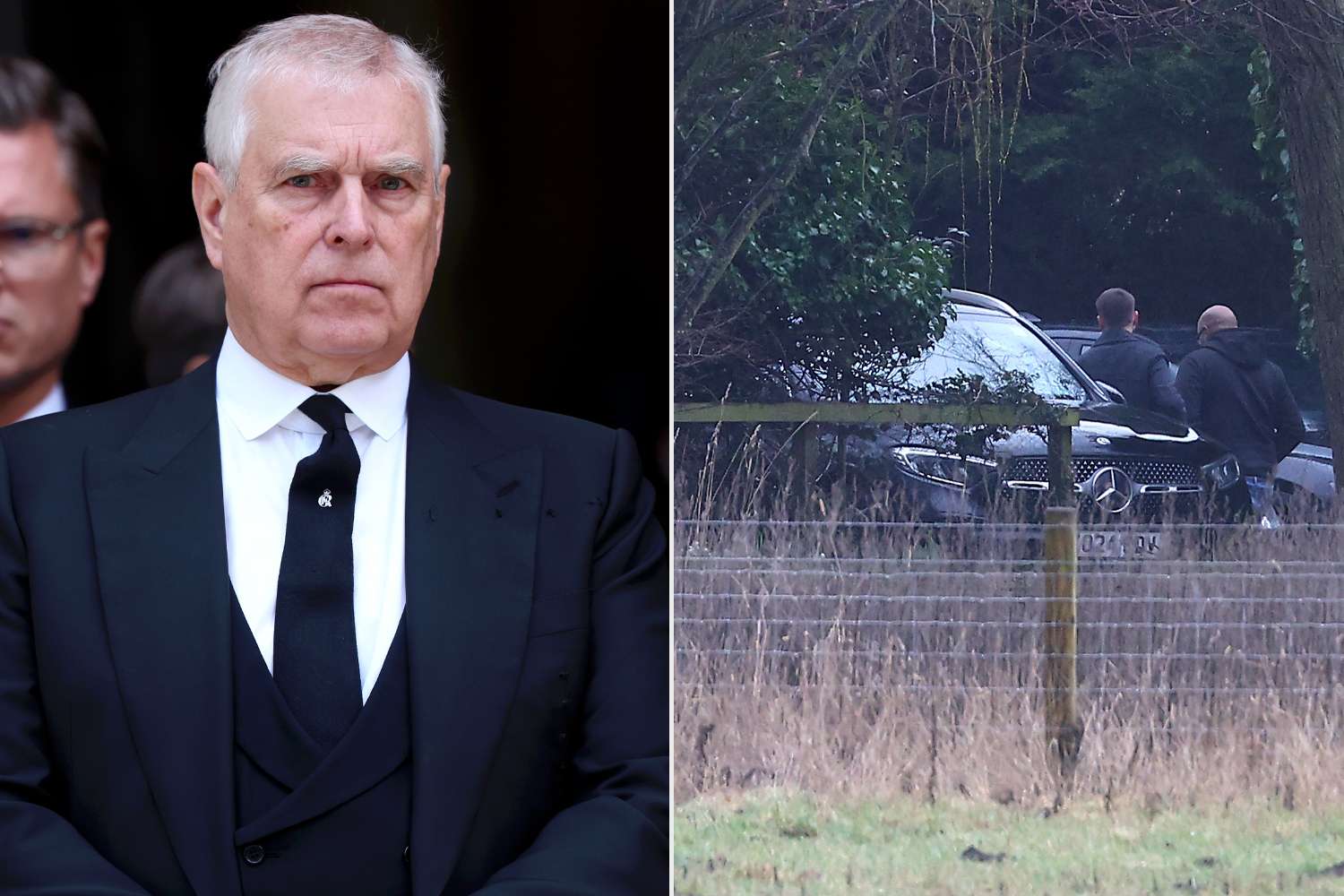
These operations are being conducted in the counties of Berkshire and Norfolk. Notably, police are searching the Royal Lodge in Windsor Great Park. This location served as Mountbatten-Windsor’s residence until recently. This historic property was once a prominent royal dwelling. Now it is a focal point of a criminal investigation. Law enforcement personnel are meticulously examining its premises.
Further police activity has been observed at the Sandringham Estate in Norfolk, where Mountbatten-Windsor has reportedly been residing. The scale and nature of these simultaneous searches are significant. This underscores the thoroughness with which law enforcement is approaching this investigation. They aim to secure all pertinent evidence. These efforts may shed light on the allegations. The precise timeframe of the arrest within the day has not been publicly disclosed. However, the confirmation of his custody status indicates a formal process is well underway. This process adheres to established legal protocols.
The rapid deployment of police resources to multiple sites suggests a meticulously planned operation. It reflects the high-profile nature of the individual involved. It also highlights the seriousness of the allegations being investigated. These searches are a standard part of police procedure to gather evidence and ensure the integrity of the inquiry.
Police Statement
Thames Valley Police have officially confirmed the arrest of Andrew Mountbatten-Windsor on suspicion of misconduct in public office. The police statement specifies the nature of the suspicion. It reiterates that the investigation is active and ongoing. All due legal processes are being followed rigorously. At this stage, specific details regarding the evidence that led to the arrest are not public. The full scope of the alleged misconduct has not been made public either. This is a standard procedure in ongoing investigations. It is designed to protect their integrity and ensure a fair process for all parties involved.
This is an initial stage of a criminal inquiry. It focuses on gathering facts and evidence. The goal is to determine whether formal charges are warranted. The police have not yet laid any formal charges, and the process of gathering and evaluating evidence is continuing. The public is reminded that an arrest is a procedural step in an investigation. It does not imply guilt. This upholds the fundamental principle of presumption of innocence. The police statement confirms the facts of the arrest. It maintains the necessary discretion for a thorough and impartial investigation. This avoids any premature conclusions.
Epstein Files Explained
The term “Epstein files” refers to a substantial collection of documents. These documents pertain to the late American financier and convicted sex offender, Jeffrey Epstein. These documents, comprising millions of pages of emails, depositions, and other legal records, were released in January. Their unsealing has revealed a vast network of individuals associated with Epstein and his illicit activities. This revelation has sparked renewed public and legal interest globally.
Andrew Mountbatten-Windsor is mentioned within these extensive files. The information contained within these files was crucial. In particular, the allegations of his involvement in sharing confidential material caused Thames Valley Police to act. They initiated an assessment of a formal complaint. This assessment ultimately led to his arrest. It is imperative to draw a clear distinction between the raw content of these released files.
We must separate the various allegations they contain from the formal criminal investigation now being conducted by the police. The files themselves are a source of information. They provide context and potential leads for further inquiry. The police investigation is a legal process. It is designed to determine if criminal offences have been committed based on admissible evidence. It also aims to establish guilt or innocence through due process. The release of these files has been crucial in reigniting scrutiny into Epstein’s associates. Their conduct is under investigation. This scrutiny has led to significant legal actions, such as the current arrest.
What Is “Misconduct in Public Office”
Misconduct in public office is a serious common law offence within the legal framework of England and Wales. This offence specifically targets individuals who hold a public office. In the execution of their duties, they either act or deliberately fail to act. Such actions or omissions must constitute a profound breach of the public trust. For a successful prosecution, several stringent criteria must be met. Firstly, the individual in question must unequivocally be identified as a public officer.
This includes various roles. It ranges from government officials to those holding positions of authority and responsibility on behalf of the public. Their actions directly impact public welfare or trust.
Secondly, their conduct must be serious enough to be classified as an abuse of the public’s trust. It must go beyond mere negligence or poor judgment. Instead, it should demonstrate a significant departure from expected standards.
Thirdly, the police must be able to prove wilful neglect or misconduct by the individual. This means the individual intentionally neglected their duty or intentionally misconducted themselves. This wilfulness is crucial. It implies a deliberate act or omission rather than an accidental oversight. Often, it requires evidence of intent. Finally, it must be established that this wilful act or omission occurred without any reasonable excuse. Additionally, it must be shown that there was no legitimate reason for the conduct.
In the context of Andrew Mountbatten-Windsor’s arrest, there is a suspicion of misconduct in public office. It is based on the alleged sharing of confidential material. If these allegations are substantiated through the ongoing investigation, this act would significantly breach the public trust. This act would meet the criteria for this offence. The complexity of this charge requires law enforcement to conduct a thorough investigation. This often involves extensive evidence gathering and legal analysis.
Royal Reaction
King Charles III issued a formal statement in response to the arrest of Andrew Mountbatten-Windsor. He conveyed his “deepest concern” regarding the news. The monarch underscored the gravity of the situation by affirming that “the law must take its course.” This declaration clearly indicates the Crown’s commitment to the judicial process. It also underscores the principle of legal impartiality, even when a member of the Royal Family is involved.
Reports show that neither King Charles III nor Buckingham Palace knew about the impending arrest beforehand. This absence of advance warning highlights the operational independence of the police force and the legal system. It demonstrates that such high-profile investigations proceed without royal interference. There is no preferential treatment.
The Royal Family’s collective stance, as articulated through the King’s statement, shows unwavering support for due process. They are committed to the integrity of the legal system instead of opting for intervention or protection. This public position aims to reassure the British public. It also aims to reassure international observers of the monarchy’s adherence to the rule of law. It reinforces the monarchy’s constitutional role as a symbol of national unity and justice. The King’s swift and clear statement helps to manage public perception and maintain confidence in the legal system.
Political and Public Response
Government figures have not provided specific detailed statements in the source material. However, the underlying emphasis on the rule of law remains consistent and fundamental in the British political landscape. This is especially true in cases of such high public profile. The principle is a cornerstone of the British legal and democratic system. No individual, irrespective of their background, former status, or connections, stands above the law.
Political leaders often invoke this principle. Legal commentators do too. They use it to affirm the equality of all citizens before the law. This ensures that justice is applied without bias. The ongoing police investigation into Andrew Mountbatten-Windsor is a clear example of this principle. It reinforces the expectation that justice will be pursued without favour or special treatment.
Adhering to legal equality is essential. It maintains public confidence in the justice system. It also upholds its integrity, especially with national figures. The public response is not explicitly detailed. However, it likely reflects a strong demand for transparency and accountability. Given the nature of the allegations and the individual involved, this underscores the importance of a fair and thorough investigation. It must be seen as impartial.
What Happens Next
Following an arrest in the United Kingdom, there are established legal procedures that dictate the subsequent steps. An individual can typically be held in police custody for a period of up to 24 hours. However, for more serious offences, this period can be extended to a maximum of 96 hours. Judicial authorisation must be obtained from a magistrate. During this critical period, the police will intensify their investigation. This includes a thorough review of all gathered evidence. They will continue any necessary searches, such as those already conducted at the Royal Lodge, Berkshire, and Norfolk. The objective is to collect sufficient evidence to either charge the individual or release them. At the conclusion of this custody period, several potential outcomes are possible:
•Charge: If the police determine that there is sufficient evidence, there must be a realistic prospect of conviction. Andrew Mountbatten-Windsor could then be formally charged with misconduct in public office. He might also face other relevant offences. This would initiate formal court proceedings, leading to a trial where the evidence would be presented and scrutinized.
•Release Under Investigation (RUI): Alternatively, he could be released from custody but remain under investigation. This allows the police to continue their inquiries without the individual being detained. Often, there are conditions attached. These may include reporting to a police station at regular intervals or not contacting certain individuals involved in the case. This status can last for an extended period while evidence is further examined.
•No Further Action : The police may decide to take no further action. This can happen if they conclude that there is insufficient evidence to proceed. If it is not in the public interest to do so, the individual would be released without charge. This decision comes after carefully considering all available evidence. Legal advice is also evaluated. It signifies the end of the police’s direct involvement in the matter.
The investigation is currently ongoing. The police are committed to gathering all pertinent evidence. They will assess this evidence before making a decision on the next course of action. The legal process is designed to be meticulous. It ensures that all aspects of the case are thoroughly examined. This happens before any definitive steps are taken.
Andrew Mountbatten-Windsor has been arrested by Thames Valley Police on suspicion of misconduct in public office. This significant development is directly linked to allegations of his involvement in the sharing of confidential material. This matter gained prominence following the release of the extensive Jeffrey Epstein files in January. In the wake of the arrest, police searches have been conducted at various locations. These include the Royal Lodge and sites across Berkshire and Norfolk. Law enforcement is meticulously gathering evidence.
King Charles III has publicly affirmed that “the law must take its course.” In doing so, he endorses the independence and integrity of the legal process. He also supports the principle of equality before the law. It is essential to highlight that an arrest begins a formal investigation. Importantly, it does not equate to a finding of guilt. Andrew Mountbatten-Windsor has consistently denied any wrongdoing in relation to Epstein.
The investigation remains active. Legal proceedings will ultimately determine the future course of this high-profile case. This upholds the principle that justice is applied equally to all. The world watches as the British legal system proceeds with its diligent inquiry. It navigates the complexities of this unprecedented royal crisis with a commitment to factual accuracy and due process.