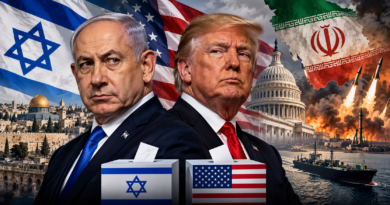
Strait of Hormuz Explained: Why This Vital Oil Route Matters as Global Tensions Rise
The Strait of Hormuz is one of the most important waterways in the world, yet many people only hear its name when conflict escalates in the Middle East. Whenever tensions rise between Iran, the United States, Gulf Arab states or Israel, attention quickly turns to this narrow stretch of water because of its importance to global energy markets and international trade.
A disruption in the Strait of Hormuz can affect oil prices within hours, unsettle financial markets, increase shipping insurance costs and raise concerns about wider military confrontation. That is why governments, investors and consumers across the world watch developments there so closely.
Here is what the Strait of Hormuz is, why it matters, who controls it and what could happen if it were blocked.


What is the Strait of Hormuz?
The Strait of Hormuz is a narrow sea passage linking the Persian Gulf with the Gulf of Oman and the Arabian Sea. It forms the main maritime exit route for oil and gas producers located around the Gulf.
Ships leaving ports in countries such as Saudi Arabia, Iraq, Kuwait, Bahrain, Qatar and the United Arab Emirates often pass through the strait before reaching global markets in Asia, Europe and beyond.
At its narrowest point, the waterway is only around 21 miles (34 km) wide, although actual shipping lanes are narrower because vessels use designated traffic channels for safety.
That limited space is one reason the route is so sensitive. A small disruption can create immediate delays and security fears.
Why is the Strait of Hormuz so important?
The waterway is considered a strategic choke point because a significant share of the world’s seaborne oil exports moves through it.
Large volumes of crude oil, refined petroleum products and liquefied natural gas pass through the route every day. Many Asian economies, including China, India, Japan and South Korea, depend heavily on energy shipments that transit the strait.
If tankers are delayed or rerouted, supply concerns can quickly push prices higher.
This means events in the Strait of Hormuz can affect:
- Petrol and diesel prices
- Household energy bills
- Airline fuel costs
- Inflation levels
- Shipping expenses
- Stock markets
Even countries far from the Middle East can feel the economic impact.


Which countries border the Strait?
Iran sits on the northern side of the strait. Oman, through its Musandam Peninsula, lies on the southern side.
Because of geography, Iran plays a major role in security calculations around the waterway. However, the route is an international maritime passage used by vessels from many nations.
Naval forces from the United States, the United Kingdom and allies have periodically maintained a presence in nearby waters to protect commercial shipping.
Why does Iran often feature in discussions?
Iran has repeatedly warned that pressure from sanctions, military threats or attacks on its interests could lead to consequences in the Gulf. In times of crisis, Iranian officials or military figures have suggested the Strait of Hormuz could be disrupted.
Analysts say Iran has several ways to threaten shipping without needing a formal blockade, including:
- Fast attack craft
- Naval mines
- Missiles or drones
- Seizure of commercial vessels
- Harassment of tankers
- Electronic interference
Even limited incidents can create fear in insurance markets and among shipping companies.
Can Iran fully close the Strait of Hormuz?
A complete long-term closure would be difficult.
Many military experts argue that while Iran could significantly disrupt traffic, fully sealing the route for an extended period would likely trigger a major international response.
The United States Fifth Fleet, regional navies and allied forces maintain substantial capabilities in the area. Mines could be cleared, escorts organised and shipping lanes defended, though not without risk.
So the greater concern is often not permanent closure, but temporary disruption, attacks, confusion or repeated security incidents.
That alone can have major economic consequences.
What happens if shipping is disrupted?
If tanker traffic slows or stops, oil traders usually react immediately.
Prices often rise first on expectations rather than actual shortages. Governments may then consider emergency reserves, diplomatic interventions or military escorts.
Shipping companies may also:
- Pause sailings
- Increase freight charges
- Demand war-risk premiums
- Divert routes where possible
- Delay cargoes
Consumers could later feel the impact through fuel prices and inflation.


Why markets react so quickly
Oil markets are highly sensitive to risk. Traders price not only today’s supply but future expectations.
That means even political rhetoric, military drills or isolated incidents near the Strait of Hormuz can move prices sharply.
When uncertainty rises, markets ask three key questions:
- Will cargoes be delayed?
- Will insurance costs jump?
- Could conflict spread?
If the answer to any of these appears to be yes, prices can rise rapidly.
Has this happened before?
Yes. The region has a long history of maritime tension.
During the 1980s Iran-Iraq conflict, the so-called “tanker war” saw attacks on commercial shipping. More recently, vessels have been seized, sabotaged or targeted in incidents blamed on regional rivals.
Each episode has renewed concern over how vulnerable the route remains.
Which countries are most exposed?
Asian importers are among the most exposed because many rely on Gulf crude and gas.
Europe can also be affected through global price shocks, while the United States, although less dependent on direct Gulf imports than in past decades, still faces wider market effects.
Because oil is globally traded, supply disruption anywhere can influence prices everywhere.
Could alternative routes replace it?
Some pipelines allow producers to bypass the strait partially. Saudi Arabia and the UAE have infrastructure that can move some exports without using the waterway.
However, these alternatives do not fully replace total seaborne capacity. The Strait of Hormuz remains central to Gulf exports.
That is why it continues to matter so much.
Why the world is watching now
Whenever diplomatic tensions rise or military operations expand in the Middle East, investors and policymakers focus on the strait.
Recent years have shown how quickly regional crises can escalate. A single strike, seizure or exchange of threats can create fears about broader confrontation.
For news organisations and governments alike, the Strait of Hormuz is often treated as an early warning indicator of wider instability.


What should ordinary readers watch for?
If tensions increase, key indicators include:
- Official warnings from navies
- Reports of tanker seizures
- Missile or drone incidents
- Sudden oil price spikes
- Insurance rate increases
- Emergency diplomatic talks
These signs can reveal whether risk is growing or easing.
What happens next?
Much depends on diplomacy.
When channels of communication remain open, tensions can often be contained. But if military exchanges intensify, the Strait of Hormuz quickly returns to the centre of global attention.
For now, the waterway remains open, but its strategic importance ensures every development is closely monitored.
The bottom line
The Strait of Hormuz may be geographically narrow, but its global significance is enormous.
It is a gateway for energy exports, a pressure point in international politics and a route capable of influencing prices paid by households thousands of miles away.
That is why, whenever conflict rises in the Middle East, the world watches this stretch of water so carefully.