
Israeli Air Strike Destroys Qasmiyeh Bridge
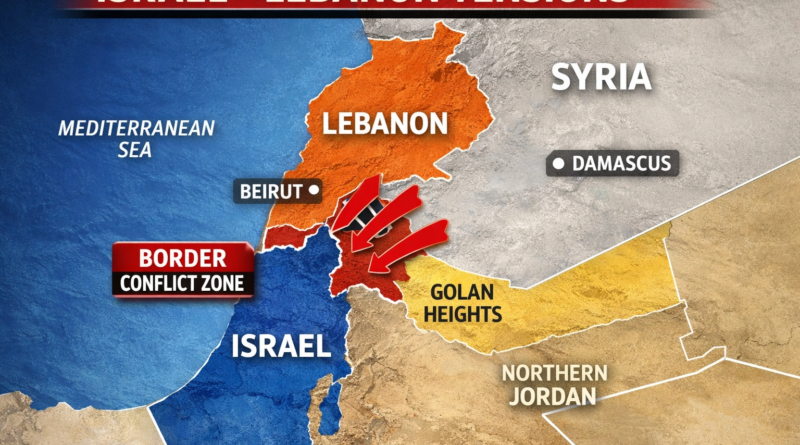
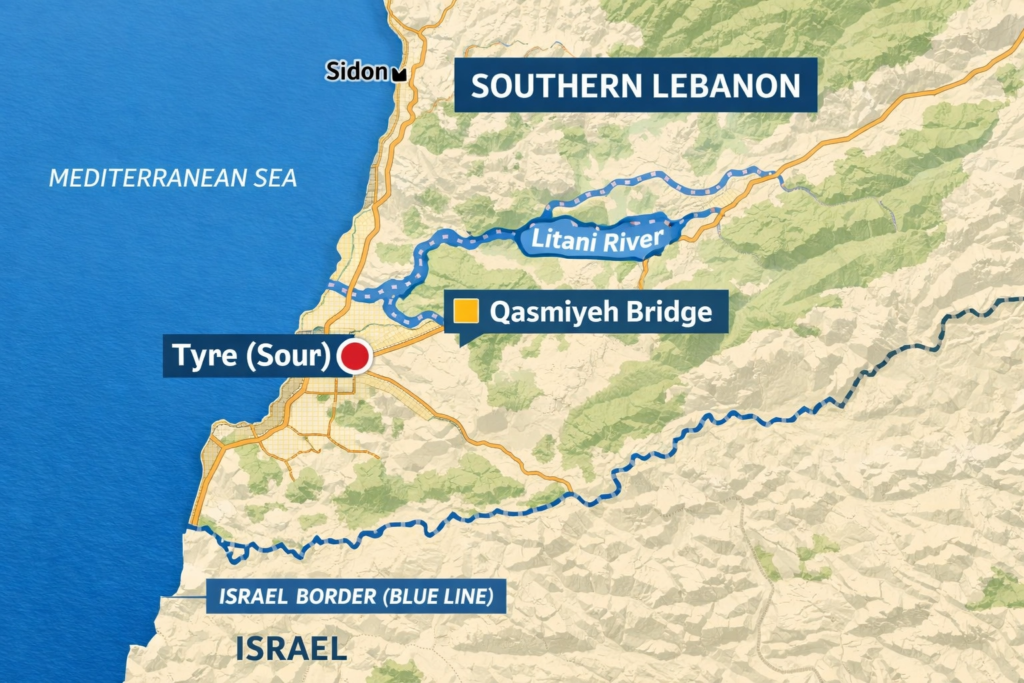
An Israeli air strike on Sunday, March 22, 2026, destroyed the Qasmiyeh Bridge over the Litani River in southern Lebanon, a critical transportation route connecting the country’s south with central regions. The bridge, located near the coastal city of Tyre (Sour), has long served as a vital link for civilian traffic, commercial transport, and humanitarian access. Its destruction has significantly disrupted movement across the region and raised concerns about the impact on local communities.
Lebanese authorities condemned the strike, describing it as an act of collective punishment and warning that attacks on key infrastructure could further destabilize the security situation. The incident comes amid heightened cross-border hostilities between Israel and Hezbollah, with both sides exchanging strikes in recent weeks. Military analysts say attacks on strategic infrastructure may be aimed at limiting logistical movements, but they also increase the risk of civilian hardship and broader regional escalation.
The latest Israeli air strike has drawn renewed international attention, with governments and humanitarian organizations urging restraint and calling for the protection of civilian infrastructure under international humanitarian law. As tensions continue to rise, concerns are growing that further military action could expand the conflict beyond the immediate border areas.
Israeli Air Strike Destroys Qasmiyeh Bridge
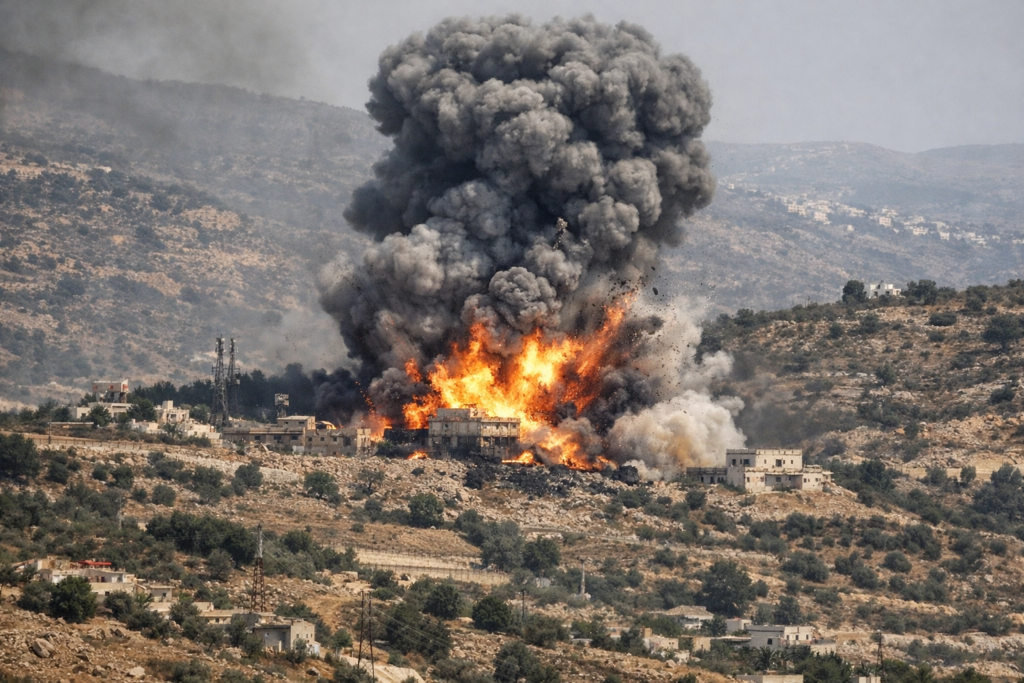
An Israeli air strike targeted the Qasmiyeh Bridge, a key crossing on Lebanon’s coastal M51 highway, causing extensive damage and rendering the bridge unusable. Witnesses reported a large explosion followed by thick smoke rising from the site as emergency crews assessed the damage. The strike came amid renewed cross-border hostilities between Israel and Hezbollah after both sides exchanged attacks along the border.
The Qasmiyeh Bridge is an important transportation link connecting Sidon with the southern cities of Tyre and Naqoura. Its destruction has disrupted civilian travel, commercial transport, and the movement of humanitarian assistance in southern Lebanon. The bridge also crosses the Litani River, an area that has long held strategic military significance during periods of conflict.
Israeli officials have repeatedly stated that Hezbollah uses routes south of the Litani River to transport fighters and military equipment. The Israeli government says operations targeting infrastructure are intended to reduce Hezbollah’s operational capabilities. Hezbollah has denied accusations that it uses civilian infrastructure for military purposes.
Military Context and Israeli Objectives
The strike forms part of Israel’s broader military campaign in southern Lebanon, which Israeli officials say is aimed at limiting Hezbollah’s ability to launch attacks across the border and preventing the movement of weapons and personnel. Israeli Defence Minister Israel Katz stated that military forces had been instructed to target bridges allegedly used by Hezbollah for military activity.
Israeli leaders have also said they intend to increase pressure on Hezbollah positions in southern Lebanon as cross-border exchanges continue. Military analysts note that attacks on transport infrastructure can significantly affect both military logistics and civilian movement, increasing the humanitarian impact of the conflict.
Humanitarian Impact and Regional Concerns
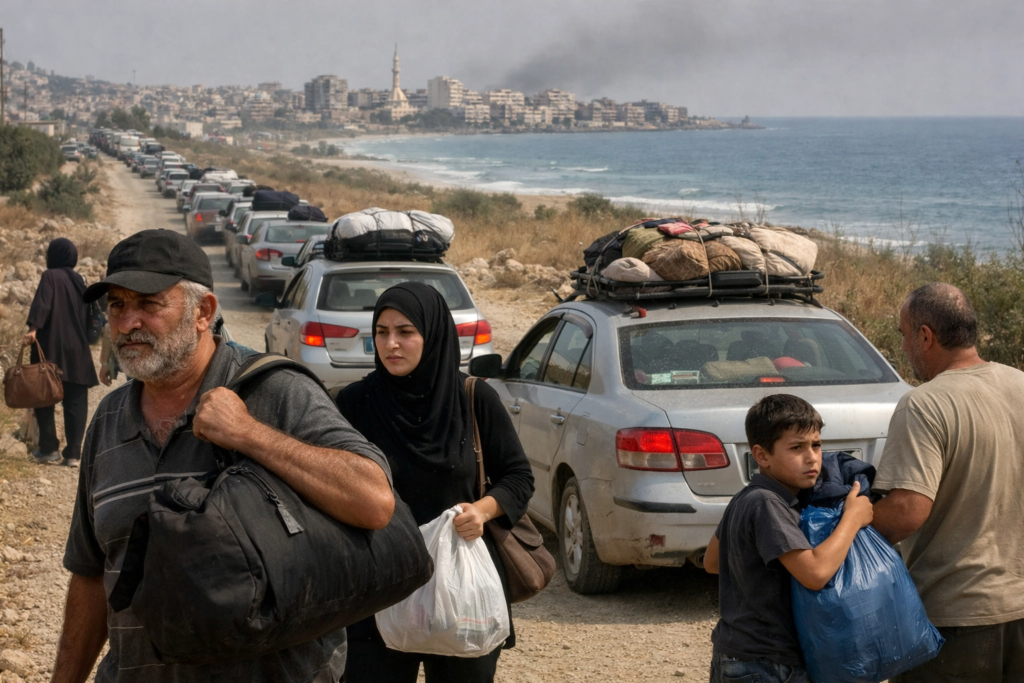
The destruction of the Qasmiyeh Bridge has raised concerns about its effect on civilians living in southern Lebanon. Damaged infrastructure may complicate evacuation efforts, delay emergency services, and restrict the delivery of humanitarian aid to affected communities.
International organizations have continued to call for the protection of civilians and critical infrastructure while urging all parties to comply with international humanitarian law. As fighting continues, concerns remain that further escalation could deepen the humanitarian crisis and increase instability across the wider Middle East.
Regional Implications and Risk of Escalation
Lebanese President Joseph Aoun vehemently condemned the Israeli strike, characterizing it as a “dangerous escalation” and a “blatant violation of Lebanon’s sovereignty.” President Aoun warned that such actions could be a “prelude to a ground invasion,” a prospect Lebanon has consistently cautioned against through diplomatic channels. He further asserted that targeting bridges and other infrastructure is an attempt to sever geographical connections and establish a buffer zone, which he views as part of “suspicious schemes to establish a buffer zone, solidify the occupation, and pursue Israeli expansion within Lebanese territory.” The strike intensifies fears of a wider regional conflict, potentially drawing in other actors, including Iran, which backs Hezbollah. The international community remains on edge, closely monitoring developments for any signs of further destabilization.
International Reactions
International responses to the escalating situation have been marked by concern and calls for de-escalation. The United States, while a staunch ally of Israel, has issued global security warnings to its citizens, acknowledging the potential for increased volatility in the region. Both the US and Israel have previously warned of severe consequences should Iranian-backed groups launch attacks against Israel. The United Nations has criticized the destruction of civilian infrastructure in conflict zones, reiterating the importance of protecting non-combatants and ensuring humanitarian access. However, a unified and strong international condemnation specifically regarding the Qasmiyeh Bridge strike has yet to fully materialize, reflecting the complex geopolitical dynamics at play.
Why This Matters Now and What Could Happen Next
The destruction of the Qasmiyeh Bridge is more than just a military tactic; it represents a significant escalation in the ongoing shadow war between Israel and Hezbollah, and by extension, Iran. The Israeli military’s explicit mention of applying “Gaza models” to Lebanon suggests a potential shift towards more aggressive and destructive tactics aimed at dismantling Hezbollah’s operational capabilities and infrastructure. This strategy, however, risks catastrophic humanitarian consequences and could further radicalize the local population. The isolation of southern Lebanon could lead to increased civilian suffering and displacement, creating a fertile ground for resentment and prolonged instability.
Furthermore, President Aoun’s warning of a ground invasion cannot be dismissed lightly. The systematic targeting of key infrastructure could be interpreted as an attempt to soften the ground for a larger military incursion, aiming to create a buffer zone that Israel believes will enhance its security. Such an invasion would undoubtedly trigger a fierce response from Hezbollah and potentially draw in other regional powers, transforming the current conflict into a full-scale regional war. The international community’s muted response thus far may embolden parties to pursue more aggressive actions, believing there will be no significant repercussions.
The Israeli air strike on the Qasmiyeh Bridge marks a dangerous turning point in the Israel-Lebanon conflict. While Israel asserts its right to self-defense and aims to neutralize threats from Hezbollah, the methods employed carry a heavy cost for the civilian population and the stability of the entire region. The destruction of vital infrastructure, coupled with the rhetoric of applying tactics seen in Gaza, paints a grim picture for the future. The international community faces a critical challenge in de-escalating tensions, protecting civilians, and preventing the conflict from spiraling into a wider, more devastating regional conflagration. The coming days will be crucial in determining whether diplomacy can prevail or if the region is destined for further bloodshed and instability.