Iran protests intensify as authorities impose nationwide internet blackout
Anti-government demonstrations in Iran have entered their thirteenth consecutive day. Security forces have tightened control through a near-total internet shutdown. They have also expanded their presence across major cities.
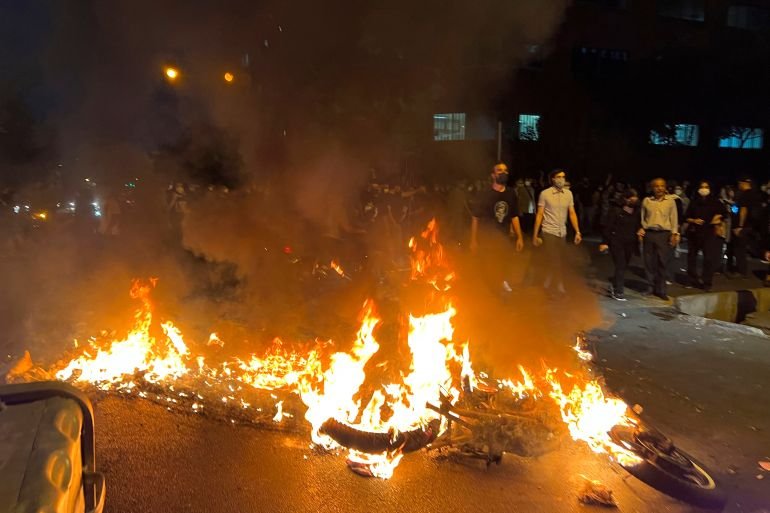
Rights groups and local media reports suggest dozens of people have been killed since the unrest began, including members of the security forces, as clashes escalated between protesters and police. Fires have been reported at government-linked buildings and vehicles, while footage circulating before the blackout showed running battles in residential areas.
The protests have been most visible in Tehran. Crowds gathered overnight despite warnings from authorities. The southeastern city of Zahedan has also seen protests. This region has long been affected by tensions between local communities and the state.
Internet shutdown and security response
Iranian officials say the nationwide internet disruption is necessary to stop the spread of misinformation. They describe it as a way to prevent foreign interference. However, digital rights organisations argue that the blackout is intended to prevent protesters from organising. It also stops images of the unrest from reaching the outside world.
Mobile data services have been severely restricted, with many households also reporting loss of fixed-line connections. Messaging apps and social media platforms are largely inaccessible inside the country.
State television has acknowledged casualties among police officers, blaming “armed rioters” for the violence. Independent verification of casualty figures remains difficult due to restrictions on journalists and the communications blackout.
Leadership warnings
Iran’s Supreme Leader, Ali Khamenei, has issued a stark warning to demonstrators. He accused unnamed foreign powers of fuelling the unrest. He also signalled that security forces have authority to respond decisively.
In a televised address, he said the state would not tolerate what he called attempts to destabilise the country, language that many observers interpret as a sign of a tougher crackdown in the days ahead.
Calls from opposition abroad
From exile, opposition figure Reza Pahlavi has urged the international community to take action, calling for diplomatic pressure and targeted sanctions against Iranian officials responsible for violence against protesters.
He said the demonstrations reflected deep public frustration over economic hardship, political repression, and social restrictions, and argued that silence from world powers would only embolden further crackdowns.
Uncertain path ahead
Iran has experienced waves of protest in recent years, often met with force and temporary communication shutdowns. Analysts say the scale and persistence of the current unrest, combined with the nationwide blackout, point to serious concern within the leadership.
With access to information limited and tensions continuing to rise, it remains unclear whether the protests will subside or develop into a broader challenge to the authorities in the coming weeks.