
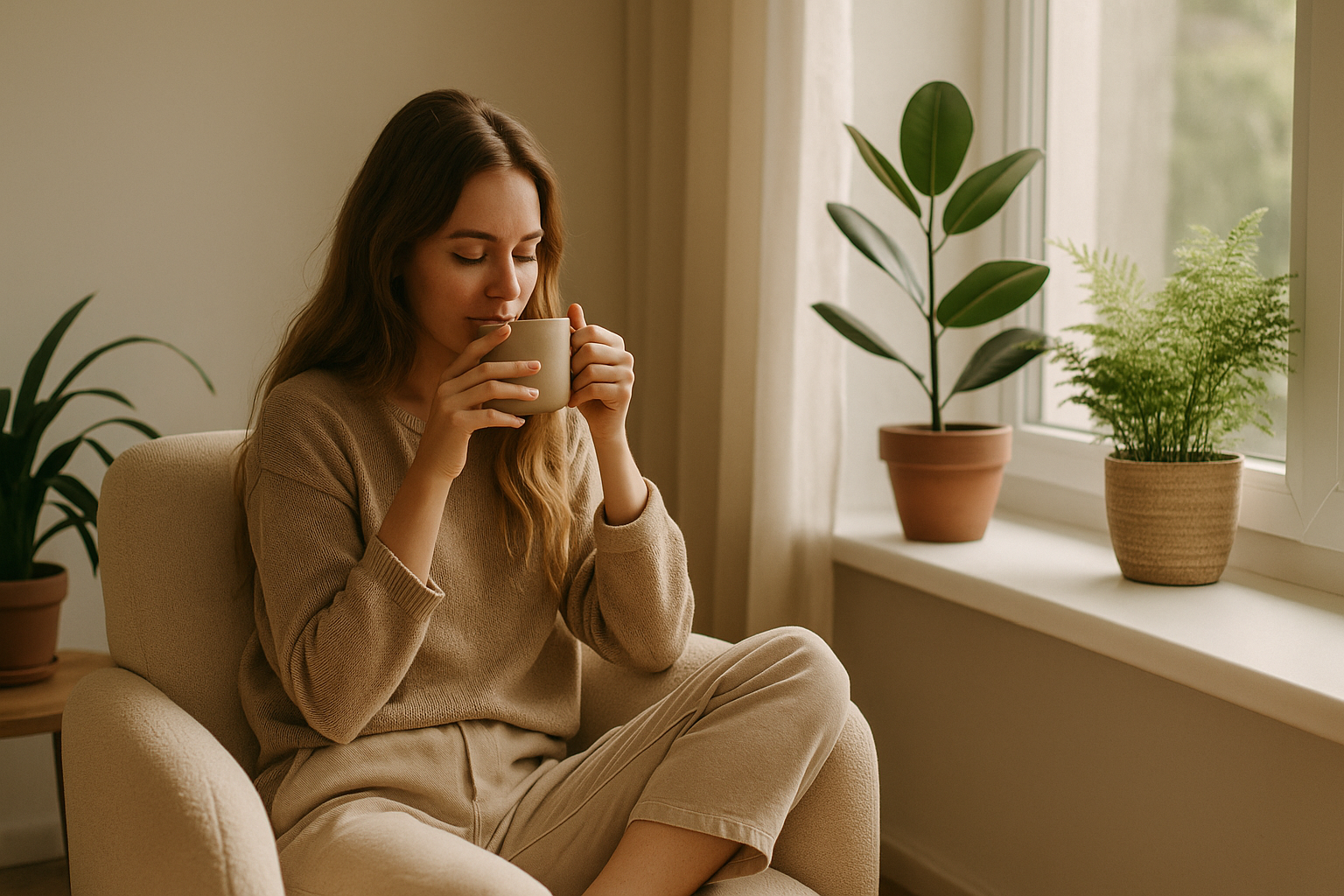
Why 2025 Is the Year People Are Choosing Peace Over Hustle Culture
Why This Matters
- Millions of people are rejecting the “rise and grind” mentality that dominated the last decade.
- The idea of “soft living” has moved beyond social media and become one of the defining lifestyle trends of 2025.
- Burnout, economic uncertainty and digital overload are pushing people to rethink what success really means.
- Rather than chasing constant productivity, more people are prioritising peace, rest, emotional health and meaningful relationships.
- The shift is changing not only how people work, but also how they spend money, build relationships and imagine the future.
The End of the Hustle Era
For much of the past decade, modern life seemed to come with a single message: do more.
Wake up earlier. Work harder. Build a side hustle. Reply to emails faster. Fill every spare hour with something productive.
The language of “rise and grind” became impossible to escape.
Social media was flooded with videos of people waking up at 5 a.m., completing intense workouts, running businesses, journaling, answering messages and somehow still finding time to launch another project before breakfast.
The ideal person was always busy.
To slow down was seen as weakness. To rest was treated as laziness.
But in 2025, something is changing.
Across cities, workplaces and social media feeds, more people are stepping away from hustle culture and embracing a different way of living.
They are turning off notifications, protecting their time and redefining success.
Instead of celebrating exhaustion, they are celebrating peace.
The movement has become known as “soft living” or “the soft life”, and it has emerged as one of the most powerful cultural trends of the year.
What began as an online aesthetic of candles, linen clothing and slow mornings has grown into something much deeper.
For millions of people, soft living is no longer about looking calm. It is about surviving in a world that feels increasingly overwhelming.
From Social Media Trend to Cultural Shift
The phrase “soft life” first gained popularity on TikTok and Instagram around 2021.
At the time, it was often associated with luxury.
Influencers posted photographs of expensive holidays, silk pyjamas, spa treatments and carefully designed apartments. The message was simple: life should feel easy, beautiful and stress-free.
Critics dismissed it as unrealistic and privileged.
But over the next few years, the meaning of the soft life changed.
By 2025, the idea has become far less about luxury and far more about boundaries.
Today’s version of soft living is not necessarily about leaving work to travel the world.
For many people, it means something much simpler.
It means deciding not to answer emails at midnight.
It means taking a walk without checking a phone.
It means making dinner slowly instead of eating in front of a laptop.
It means accepting that a person does not need to earn their rest.
“Soft living is not laziness – it is liberation,” says lifestyle psychologist Dr Amelia Cruz, who studies digital behaviour and modern work culture.
“It is the natural reaction to years of overwork, burnout and constant comparison.”
According to Cruz, the movement reflects a deeper exhaustion that has been building for years.
The pandemic changed the way people think about work and life. Economic instability, political uncertainty and the pressure of always being connected have left many people emotionally drained.
The result is a growing desire to live differently.
The hashtag #SoftLife has now been viewed more than two billion times across social media platforms.
Yet behind the calm bedrooms, warm lighting and slow morning routines lies something much more serious: a generation trying to recover.
Burnout Has Become a Global Problem
One of the main reasons soft living has become so popular is that burnout has become impossible to ignore.
Surveys in Europe, North America and Asia show rising levels of stress, anxiety and exhaustion.
Many people say they feel permanently overwhelmed.
The boundaries between work and personal life have become increasingly blurred.
Remote work, once seen as liberating, has in some cases made the problem worse.
People now carry their jobs in their pockets.
Emails arrive late at night. Messages appear during dinner. Work can follow people into bed, onto holidays and into every moment of silence.
At the same time, social media has intensified the pressure.
Every day, people are shown carefully edited images of others appearing more successful, more productive and more organised.
There is always someone doing more.
For many, the result has been a sense that they are never enough.
“We have normalised exhaustion,” says Dr Cruz.
“We tell people they should always be improving, always be building, always be working. But human beings are not machines.”
In 2025, more people are beginning to reject that idea.
They are no longer impressed by overwork.
Instead, they admire balance.
Choosing Peace Over Productivity
For 29-year-old content creator Leila Martín, the shift began after she reached a breaking point.
“Last year, I was completely burnt out,” she says.
“I could not sleep properly. I felt anxious all the time. I could not even open my laptop without feeling sick.”
Martín had spent years trying to build a successful online career.
She posted constantly, accepted every project and felt guilty whenever she rested.
Eventually, she realised that the lifestyle she had been chasing was making her miserable.
Now, her mornings look very different.
“I wake up without immediately touching my phone,” she says.
“I stretch. I make tea. I sit near the window for ten minutes before doing anything else. It sounds small, but it changed everything.”
Her social media content now focuses on slower routines, warm spaces and gentle reminders to rest.
The response has been enormous.
Millions of viewers say they are tired of “toxic productivity” and want permission to live differently.
“People do not want to be robots anymore,” Martín says. “We want to feel alive.”
That desire can be seen everywhere.
Bookshops report increased sales of books about mindfulness and slow living.
Meditation apps are growing. More people are taking breaks from social media.
Some are even choosing lower-paying jobs if those jobs offer more freedom and less stress.
The New Definition of Success
Perhaps the biggest change in 2025 is that people are beginning to rethink what success actually means.
For years, success was often measured in money, status and productivity.
The most admired people were those with the biggest careers, the longest hours and the busiest schedules.
But many now believe that definition is too narrow.
Instead, success is increasingly being measured in terms of peace.
Can you sleep well?
Do you have time for the people you love?
Do you wake up without dread?
Can you enjoy your life rather than simply survive it?
“The old version of success was about proving your worth,” says Dr Cruz.
“The new version is about protecting your wellbeing.”
This does not mean people have stopped being ambitious.
Most people still want meaningful work, financial security and personal goals.
The difference is that they no longer want those things at any cost.
In place of hustle culture, a new idea has emerged: the gentle hustle.
The gentle hustle means working with purpose and discipline, but without sacrificing health, relationships or rest.
It means recognising that productivity is not sustainable if it comes at the expense of mental wellbeing.
Why the Economy Is Changing the Conversation
The rise of soft living is also linked to wider economic changes.
The cost of living remains high in many countries.
Housing has become more expensive. Wages have not always kept pace. Many people feel financially insecure.
As a result, the promise of hustle culture – work harder and you will eventually have everything you want – no longer feels believable.
For younger generations especially, the traditional path to success appears increasingly difficult.
Many people have realised that endless work does not necessarily lead to stability.
If working harder does not guarantee a better life, then the logic of constant hustle begins to fall apart.
Instead, people are looking for smaller, more achievable forms of happiness.
They are investing in things that make daily life feel calmer and more manageable.
Sales of candles, home fragrance, cosy clothing, meditation tools and wellness products have increased significantly.
At the same time, spending on status symbols and fast fashion has begun to slow.
“People are no longer buying things to impress others,” says Elena Dupont, editor of a Paris-based lifestyle magazine.
“They are buying things that make them feel safe, comfortable and grounded.”
This is why the aesthetics of 2025 look different from previous years.
Muted colours, natural fabrics and quiet spaces have replaced the bright, hyperactive style of the past.
The mood of the moment is not excitement. It is relief.
Fashion, Interiors and the Rise of Calm
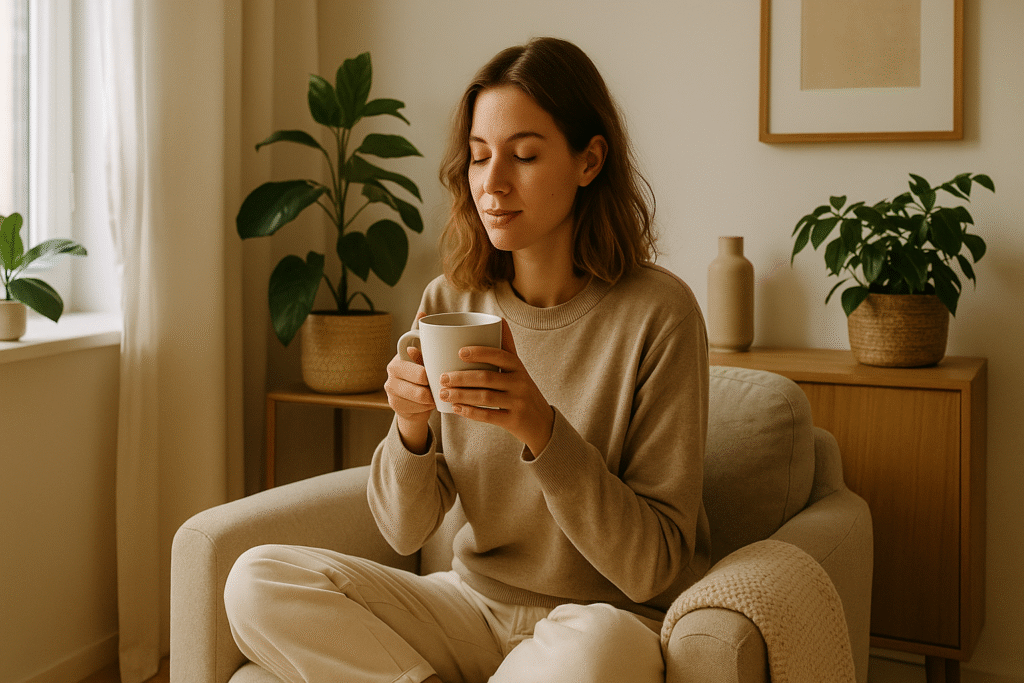
The influence of soft living can now be seen far beyond social media.
Fashion designers, interior brands and even large retailers are responding to the trend.
Clothing in 2025 is softer, looser and more comfortable.
Oversized knitwear, relaxed tailoring, cotton, linen and neutral colours dominate both high fashion and everyday style.
The emphasis is on feeling good rather than looking perfect.
Homes are changing too.
People are creating spaces designed to reduce stress.
Warm lighting, plants, books, soft textures and quiet corners have become more important than expensive decoration.
There is a growing interest in homes that feel peaceful rather than impressive.
Even small rituals have become meaningful.
Lighting a candle. Making tea. Writing in a notebook. Watering plants.
These actions may seem insignificant, but for many people they offer a sense of control in a world that feels chaotic.
“Soft living is really about creating moments of safety,” says Dupont.
“In a very noisy world, people are trying to build small spaces where they can breathe.”
Relationships Are Becoming Softer Too
The trend is not only changing the way people work and live. It is also changing the way they connect with others.
In 2025, more people are seeking emotional safety in their friendships and relationships.
For years, modern dating often felt fast, performative and exhausting.
People were encouraged to present ideal versions of themselves and constantly search for something better.
Now, there is a growing desire for something simpler.
“We are entering what I call the era of emotional ease,” says Dr Cruz.
“People want relationships where they can rest, not perform.”
Dating profiles increasingly mention kindness, communication and emotional intelligence rather than status or appearance.
Friendships are changing too.
Instead of large social circles and constant events, many people are choosing smaller groups and more meaningful connections.
Dinner clubs, book groups and quiet gatherings have become more popular.
People are spending less time trying to impress each other and more time trying to understand each other.
The soft life is not only about slowing down. It is about creating a life that feels emotionally safe.
Is Soft Living Only for the Privileged?
One criticism of the movement is that not everyone has the luxury to slow down.
Many people work multiple jobs, care for families or face financial hardship.
For them, the idea of waking slowly and taking long walks may seem unrealistic.
Supporters of soft living acknowledge this.
However, they argue that the movement is not really about wealth.
It is about small choices.
A soft life can mean turning off notifications for one hour.
It can mean saying no to a toxic relationship.
It can mean taking ten quiet minutes before work.
It can mean deciding that self-worth is not measured by productivity.
“Softness is free,” says Martín. “It is not a holiday or a luxury apartment. It is a mindset.”
For many people, that mindset is becoming essential.
The world of 2025 often feels uncertain and exhausting.
Wars, economic pressure and digital overload have created a constant background of stress.
Soft living offers something that many people desperately need: permission to slow down.
More Than a Trend
Unlike many internet trends, soft living appears likely to last.
That is because it speaks to something deeper than fashion.
It reflects a widespread feeling that the old way of living is no longer working.
People are tired of feeling permanently tired.
They want a life that feels calmer, healthier and more meaningful.
“The new definition of success,” says Dr Cruz, “is waking up without dread.”
That simple idea may explain why 2025 has become the year people are finally choosing peace over hustle culture.
Not because they have given up.
But because they have realised that rest, balance and joy are not obstacles to a good life.
They are the foundation of it.