
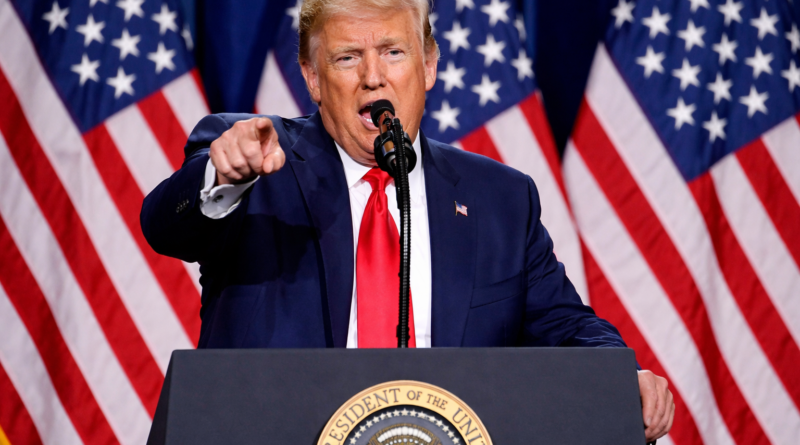
Trump threatens Iran over Strait of Hormuz as tensions shift to the Gulf
US President Donald Trump has issued his strongest warning yet to Iran. He is threatening to target major infrastructure. This will occur unless Tehran reopens the Strait of Hormuz. This strait is the vital waterway through which much of the world’s oil passes.
Trump made a series of remarks and social media posts on Sunday. He said Iran faced severe consequences if the strait remained effectively closed. He warned that Iranian power plants and bridges could be attacked within days unless shipping resumed.
The comments marked a sharp escalation. The confrontation between Washington and Tehran has become increasingly volatile. It has already spread across the Gulf and into Lebanon.
Trump warns of strikes on Iranian infrastructure
Trump spoke hours before his self-imposed deadline expired. He said that if the Strait of Hormuz was not reopened, Tuesday would become “Power Plant Day, and Bridge Day” in Iran.
The US president repeated earlier warnings that Iran would “be living in hell” if it failed to comply.
Trump has repeatedly changed the timetable for possible military action.
On 21 March, he warned that Iranian energy facilities could be hit within 48 hours unless the strait was reopened. Two days later, he delayed any action, saying there had been “productive conversations” between the two countries.
A further extension followed on 27 March, when Trump said he would wait another 10 days at Iran’s request, moving the deadline to 6 April.
On Sunday, however, his language became even more aggressive, raising fears that direct strikes against Iranian infrastructure may now be imminent.
Despite the threats, Trump also suggested diplomacy remained possible. In an interview with Fox News, he said there was a “good chance” that a deal could be reached within 24 hours.
“They are negotiating now,” he said.
Trump also said he was considering “blowing everything up and taking over the oil” if no agreement was reached.
Iran says Strait could reopen if compensation is paid
Iranian officials responded angrily to the latest warning.
Mahdi Tabatabaei, an aide to the Iranian president, said the Strait of Hormuz would reopen only when part of the tolls collected from passing ships were used. These tolls should compensate Iran for damage caused during the war.
Iran has previously suggested imposing transit fees on vessels using the waterway.
Tabatabaei accused Trump of starting “a full-scale war in the region” while continuing to issue threats.
He described the US president’s comments as “desperation and anger”.
The Strait of Hormuz connects the Gulf to the Arabian Sea. It usually carries around one fifth of global oil supplies. Around 3,000 ships pass through the route every month in normal conditions.
Since the conflict intensified, traffic has fallen dramatically.
Ships stranded as tensions grow at sea
The focus of the conflict now appears to be shifting from land to the sea.
Off the coast of Oman, dozens of vessels remain anchored near the entrance to the Strait of Hormuz. They are waiting for safe passage.
Reporters travelling near the strait observed multiple cargo ships. They also saw oil tankers sitting motionless close to the mouth of the waterway.
Maritime organisations estimate that as many as 2,000 vessels may now be stranded across the region.
The disruption has already pushed up global energy prices and raised fears of a wider economic shock.
The strait is not only critical for oil exports. One-third of the world’s fertiliser trade passes through the route. Many Middle Eastern countries rely on it for food. It is also essential for medicine and imported technology.
A further incident was reported on Sunday at Khor Fakkan Port in the United Arab Emirates. UK Maritime Trade Operations said a container ship had reported “multiple splashes” from unknown projectiles while loading cargo.
Several commercial vessels have already been struck in recent days near the UAE and Qatar.
Oman has traditionally acted as a mediator between Iran and the West. It said it was in talks with Tehran over proposals. These proposals aim to guarantee “smooth passage” through the strait.
US launches major rescue mission inside Iran
The maritime crisis deepened significantly. The United States executed a dramatic operation. They rescued the crew of an American fighter jet shot down over Iran.
Trump said both crew members from the downed F-15E Strike Eagle had now been recovered.
The first airman, the pilot, was rescued on Friday. The second was described by Trump as a colonel and weapons systems officer. He was rescued later from “deep inside the mountains of Iran,” as Trump called it.
The officer was said to have been seriously injured, possibly while ejecting from the aircraft.
Trump described the mission as one of the most daring rescue operations in recent US military history.
According to US media reports, fewer than 100 troops took part. There was no firefight with Iranian forces. Earlier claims suggested a larger battle had taken place.
The exact location of the rescue has not been officially confirmed. Verified images appear to show aircraft wreckage. This is in mountainous terrain south-east of the city of Isfahan.
Iranian state media claimed the operation had failed and said several US aircraft had been destroyed during the attempt. Those claims have not been independently verified.
US bombers depart from Britain
Military activity has also increased outside the region.
Three US B-1B Lancer bombers took off from RAF Fairford in Gloucestershire on Sunday afternoon.
The aircraft are capable of carrying powerful bunker-busting weapons designed to strike hardened underground targets.
Analysts believe the bombers were likely heading towards the Middle East. They could remain airborne for more than 15 hours with aerial refuelling.
The United States has already been using bombers based in Britain. They have been striking targets linked to Iran and its allies over recent weeks.
Fighting spreads across Lebanon and the Gulf
The wider conflict also continued to intensify elsewhere in the region.
In Lebanon, at least four people were killed and dozens more injured in an Israeli strike on the southern suburbs of Beirut. Israel said it was targeting Hezbollah positions.
Earlier, Lebanese officials said seven people, including a four-year-old girl, had been killed in another strike in southern Lebanon.
Hezbollah later said it had launched missiles towards northern Israel.
Elsewhere in the Gulf, Kuwait reported that Iranian drone attacks had targeted several energy facilities. These attacks caused fires and significant damage.
Bahrain also reported damage to an oil facility after an Iranian strike.
The number of attacks on energy sites across the region is growing. This increase has heightened fears. The conflict could trigger a broader crisis affecting global oil supplies.
Iran blackout enters second month
Inside Iran, the country’s internet blackout has now entered its 37th day.
Internet monitoring group NetBlocks said connectivity to the outside world remains at only around 1% of normal levels.
The organisation described it as the longest nationwide internet shutdown ever recorded.
Most ordinary Iranians have been cut off from global communications since the beginning of March.
A small number of officials and journalists still allegedly have internet access. Others have reportedly turned to satellite services such as Starlink.
However, possession of such equipment is illegal in Iran and can carry prison sentences.
Uncertain path ahead
Trump’s deadline is now looming. Warships, cargo vessels and military aircraft are converging on the Gulf. The coming days will prove decisive.
The United States insists there is still a chance of an agreement.
Iran, however, has shown no sign that it is willing to back down without major concessions.
The confrontation is moving from the battlefield to the sea lanes of the Gulf. The Strait of Hormuz is expected to become the next front in the conflict. It also be the most dangerous.