
AI Dominates IFA 2025 But Consumer Concerns Begin to Grow
Why This Matters:
•AI is now appearing in almost every consumer device, from laptops to home appliances.
•Prices are rising as AI hardware becomes more expensive, leading to consumer scrutiny.
•Consumers are becoming more selective about which AI features they actually want, moving beyond mere hype.
•The next phase of AI adoption may depend on trust, practical usefulness, and affordability, rather than just marketing.
A Shifting Tide at Europe’s Premier Tech Showcase
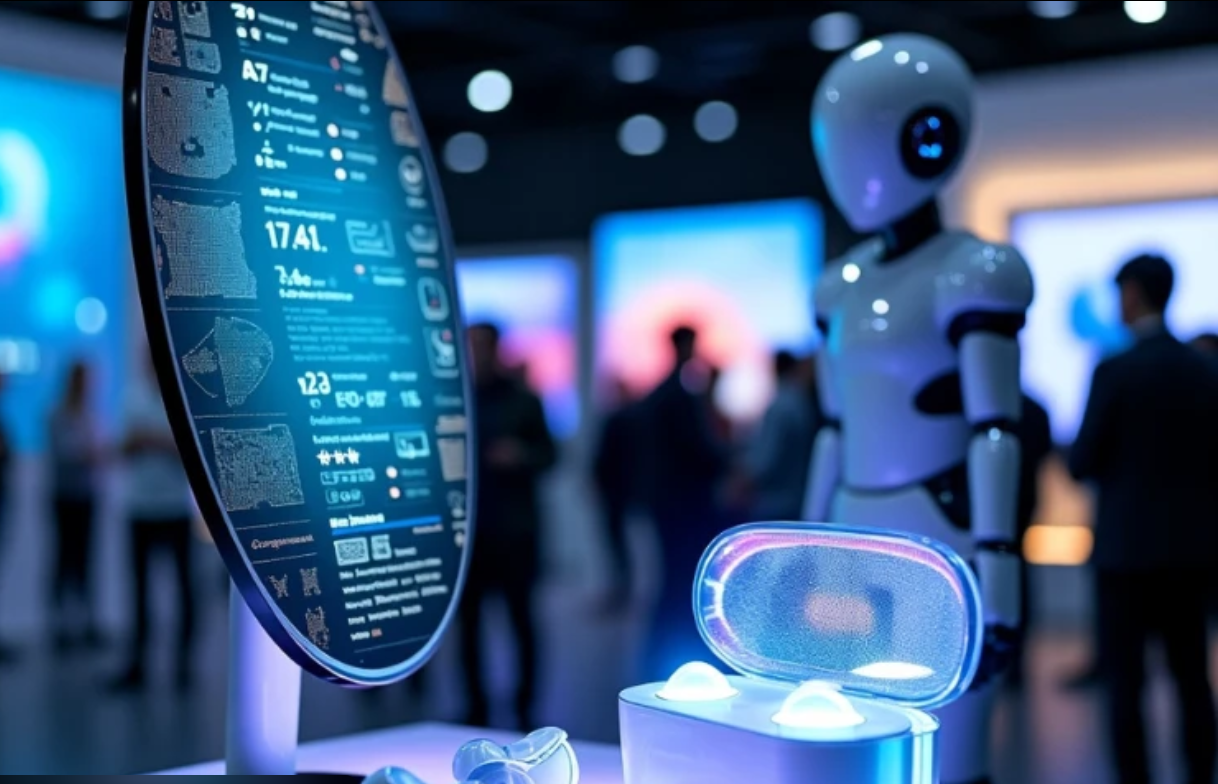
The halls of IFA 2025, Europe’s largest consumer electronics trade show, once again buzzed with innovation. This year, a singular theme resonated above all others: Artificial Intelligence. From the moment attendees stepped onto the exhibition floor, it was clear from the start. AI had transcended its role as a mere feature. It has become the foundational layer for an overwhelming majority of new product launches. Laptops boasted AI co-processors, smart homes promised predictive capabilities, and even pet care devices claimed AI-driven emotional analysis. The industry’s message was unequivocal. AI is not just the future. It is the present, embedded deeply into the fabric of consumer technology.
Yet, beneath the surface of this AI-driven spectacle, a more nuanced narrative began to emerge. Conversations among analysts, exhibitors, and consumers alike hinted at a growing apprehension. Questions about the escalating costs of AI-infused devices, the pervasive concerns surrounding data privacy, and a palpable sense of
consumer fatigue began to overshadow the initial excitement. The consensus forming was that AI’s dominance at IFA 2025 was undeniable. However, the path forward for its widespread adoption in consumer electronics would be far from straightforward. This would necessitate a critical re-evaluation of strategy by manufacturers.
AI Becomes the Main Selling Point
At IFA 2025, Artificial Intelligence was not merely an add-on. It was presented as the central nervous system of the next generation of consumer devices. Manufacturers across every category showcased products. In these products, AI was the primary differentiator. This promised enhanced performance, intuitive interactions, and unprecedented levels of personalization. This pervasive integration marked a significant evolution from previous years, where AI often featured as a supplementary function.
In the computing sector, laptops were unveiled with dedicated AI co-processors. These processors are designed to handle complex tasks like real-time language translation. They support advanced image and video editing. Additionally, they facilitate proactive system optimization. These on-device AI capabilities aimed to reduce reliance on cloud processing, offering faster responses and improved data security. Gaming devices, particularly handheld consoles, demonstrated AI-driven upscaling technologies. These technologies enhanced graphics quality without taxing the core hardware. In addition, there were intelligent heat management systems. There were also adaptive power usage algorithms that learned player behaviour. These algorithms extended battery life during intense gaming sessions.
The smart home ecosystem witnessed a surge in AI-powered appliances. Refrigerators were no longer just for storage. They integrated AI to predict grocery needs based on consumption patterns. They also suggest recipes and manage inventory. Washing machines used AI to detect fabric types and soil levels. They selected optimal wash cycles to conserve water and energy. Voice assistants, now more sophisticated, promised to learn user routines with unprecedented accuracy, anticipating needs and automating tasks seamlessly. Samsung, for instance, showcased its advanced smart home AI system. It is capable of discerning daily habits. The system can even detect when a pet might be restless, integrating seamlessly into family life. LG also unveiled its AI Home Solution, emphasizing the harmony of AI-powered living.
Manufacturers are aggressively pushing AI for several strategic reasons. Firstly, it represents a significant opportunity for product differentiation in an increasingly competitive market. As hardware specifications converge, AI offers a new frontier for innovation. Secondly, AI promises to unlock new revenue streams through subscription services for advanced features and data analytics. Lastly, the industry believes that AI is crucial for creating truly intuitive user experiences. It aims to move beyond simple automation. AI seeks to develop genuine intelligence that anticipates and adapts to individual needs.
Why the Mood Is Beginning to Change
Despite the technological marvels on display, a discernible shift in the industry’s mood was evident at IFA 2025. The initial euphoria surrounding AI has started to fade. People now embrace a more cautious and critical perspective. Several interconnected concerns are driving this change. They threaten to temper consumer enthusiasm.
One of the most significant issues is the rising cost of AI-equipped devices. Integrating advanced AI chips, sophisticated sensors, and robust cloud infrastructure inevitably drives up retail prices. Many consumers are now questioning whether the incremental benefits offered by AI justify the premium price tags. This sentiment was echoed by industry observers, with some noting that the rapid pace of AI integration risked causing
“AI fatigue” . As Jonathan Weinberg of IT Pro succinctly put it, “The proliferation of AI tools in the market is creating confusion. It causes decision paralysis. There is also a decline in productivity.”
Data privacy remains another paramount concern. Devices collect more personal data than ever before. This ranges from biometric information to daily routines and consumption habits. Regulators, particularly in Europe, scrutinize how companies store, process, and secure this sensitive information. Stricter regulations are being implemented. The Ecodesign for Sustainable Products Regulation (ESPR) is an example. This change highlights a growing demand for transparency and accountability in data practices. Consumers are increasingly wary of sharing their personal lives with interconnected devices. They demand stronger assurances of privacy and control over their data.
Furthermore, a sense of consumer fatigue is becoming increasingly apparent. After years of relentless innovation, many buyers feel overwhelmed by the sheer volume of new technologies. They also experience pressure to adopt them. The question is no longer just
whether a device has AI, but whether that AI genuinely enhances the user experience or merely adds unnecessary complexity. This sentiment is compounded by market saturation, where tech giants are increasingly pushing similar AI products with overlapping features. Differentiation is becoming harder to achieve. Analysts warn that consumer interest may plateau. Manufacturers need to offer truly unique and compelling value propositions.
Startups Offer a Different Approach
The sprawling booths of major tech conglomerates dominated the physical space at IFA 2025. However, the smaller, more agile startups often captured the imagination of attendees. These companies also intrigued the media. These companies stood out by adopting a markedly different approach to AI integration. They prioritized practical, problem-solving applications over flashy, marketing-driven features.
In the realm of health technology, startups showcased AI-driven home medical diagnostics. These innovations promised to democratize access to healthcare. They offer early detection and personalized monitoring. Elderly care also saw significant innovation. Personal mobility robots were designed to assist older adults with daily tasks. They monitor well-being and provide companionship. This addresses a critical demographic need.
The pet care sector was particularly vibrant, with companies introducing smart systems capable of emotional analysis. Beurer GmbH launched its ‘Love Your Pet by beurer’ category. This launch brings proven quality into the world of pet care. Marco Bühler is the Managing Director of Beurer GmbH. He stated, “I am especially proud of the launch of our new category ‘Love Your Pet by beurer’. This launch brings our proven quality into the world of pet care.” SwitchBot introduced the AI Pet. It is a soft-bodied household companion robot with on-device LLM AI. It is designed to interact naturally with users and their pets.
Furthermore, startups focused on energy management presented ultra-efficient AI platforms that optimized household energy consumption, reducing costs and environmental impact. These innovations resonated strongly with consumers increasingly concerned about sustainability and rising utility bills. The success of these startups underscored a crucial lesson for the broader industry. Consumers are more receptive to AI when it solves real-world problems. They appreciate when it enhances their daily lives in tangible ways. AI should operate transparently, rather than simply being embedded into every conceivable device for the sake of novelty.
What It Means for the Future of Consumer Technology
The overarching narrative of IFA 2025 confirms that Artificial Intelligence will undoubtedly shape the next decade of consumer electronics. However, the unbridled enthusiasm of previous years has been tempered by a healthy dose of realism. Industry leaders recognize this balance is crucial. They now acknowledge that the long-term success of AI in the consumer market will depend on innovation and consumer trust.
Manufacturers must focus on lower prices as we move forward. They need to create accessible pricing strategies that align with real consumer needs. This will ensure that AI-enhanced devices offer clear value for money. Stronger privacy protections and transparent data practices will be non-negotiable, as consumers demand greater control over their personal information. The focus must shift from flashy gimmicks to practical everyday uses. AI should seamlessly integrate into users’ lives. It needs to solve genuine problems and improve efficiency.
Ultimately, the next phase of AI adoption will hinge on trust from consumers. As the technology matures, the market signals that innovation must be balanced with purpose. It should also address accessibility and what consumers truly want and need. The era of AI for AI’s sake is ending. The future belongs to AI that genuinely serves the user.