Bedford Train Crash: Driver Killed and 89 Injured in Passenger Train Collision
The Bedford train crash has left one train driver dead and 89 people injured after two passenger trains collided south of Bedford on Friday afternoon.
The serious rail collision occurred at approximately 5:15pm as the two passenger services were travelling towards London St Pancras. The crash prompted a major emergency response, with police, firefighters, ambulance crews and air ambulance teams deployed to the scene.
Authorities declared a major incident as emergency teams worked at the crash site and an investigation was launched to establish the circumstances surrounding the collision.
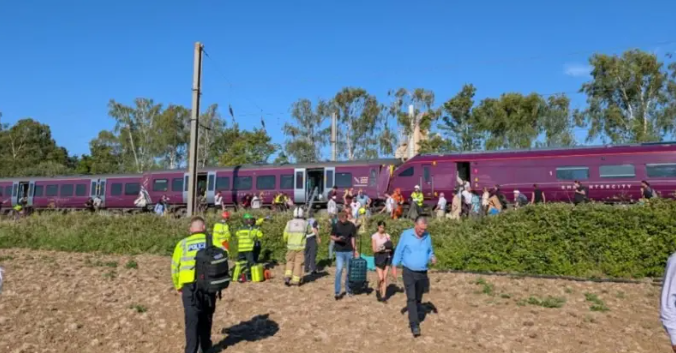
According to officials, the collision involved a passenger service travelling from Nottingham to London and another service travelling from Corby towards the capital. Both trains were carrying passengers when the collision occurred.
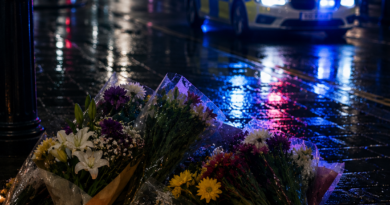
The rail operator confirmed that one of the train drivers died following the crash. The news prompted tributes from across the railway industry, as colleagues and transport workers expressed their condolences to the driver’s family and friends.
Emergency medical teams treated dozens of passengers following the collision. Authorities said 89 people were injured, with some requiring urgent hospital treatment. Eleven people were reported to have suffered very serious injuries, while more than 20 others sustained serious injuries. Many other passengers were treated for less severe injuries, either at the scene or at nearby hospitals.
Passengers Describe Chaotic Moments
Passengers travelling on the trains described frightening and confusing scenes in the moments immediately after the collision.
One passenger recalled the train braking sharply before a powerful impact was felt through the carriage. The force of the collision sent luggage and personal belongings across the train as passengers tried to understand what had happened.
Other travellers described hearing a loud bang followed by calls for help. Some passengers were thrown from their seats, while others found themselves surrounded by luggage and debris inside the damaged carriages.
Witnesses described injured passengers leaving the trains with cuts, bruises and other injuries. Others appeared physically unharmed but visibly shaken by what they had experienced.
One traveller said he felt fortunate to have escaped without serious injury and expressed his sympathy for the family of the train driver who lost his life.
Emergency responders remained at the scene for several hours, helping passengers leave the trains, assessing injuries and arranging transport to hospitals for those requiring further treatment.
Major Emergency Operation
The scale of the emergency response reflected the seriousness of the collision, with more than 20 ambulances deployed alongside specialist rescue teams.
Several air ambulances also attended the scene, while roads in the surrounding area were closed to allow emergency crews to work safely. Temporary triage areas were established so medical teams could assess injured passengers and identify those requiring urgent hospital treatment.
Witnesses described helicopters flying overhead and a large presence of ambulances, police vehicles and other emergency services throughout the evening.
Passengers who were able to leave the trains independently were assisted by emergency personnel before being transported away from the area by bus.
Emergency teams continued working at the scene for several hours as they helped passengers, treated the injured and secured the crash site.
Investigation Under Way
Rail accident investigators have begun examining the circumstances surrounding the collision, but officials have stressed that it is too early to determine what caused the crash.
Investigators are expected to analyse evidence from the trains and railway infrastructure, including signalling information, train movements, communication records and operational procedures.
The condition of the track and other railway equipment may also form part of the investigation as specialists work to reconstruct the events leading up to the collision.
Officials have urged people not to speculate about the cause while the investigation remains under way.
Transport authorities have said a thorough investigation will be carried out to establish what happened and identify any safety lessons that could help prevent a similar incident in the future.
Location of the Collision
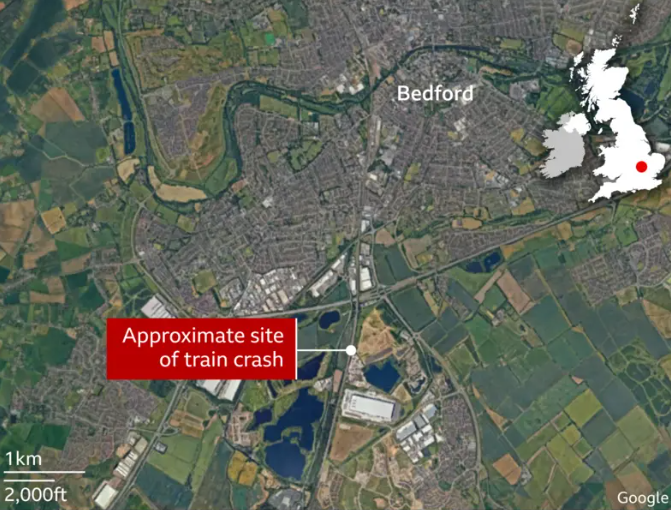
The collision occurred south of Bedford, near the Elstow area and close to major road links including the A421 and A6.
Rail services through the affected area were suspended following the crash, giving emergency crews and investigators access to the site while response and recovery operations continued.
The disruption affected passengers travelling between Bedford and London, with cancellations and changes to services continuing throughout the weekend.
Passengers were advised to check the latest travel information before beginning their journeys as railway teams continued working in the area.
Major Rail Disruption
The aftermath of the Bedford train crash has caused significant disruption across parts of the rail network, particularly for passengers travelling to and from London St Pancras.
Several services have been cancelled, shortened or diverted while emergency work and the investigation continue. Passengers have been advised to check their journeys before travelling and allow additional time for delays.
Rail replacement buses have been introduced on some affected routes, while tickets for disrupted services may be accepted on alternative routes where arrangements are in place.
Passengers who decided not to travel because of the disruption may also be eligible for refunds, depending on their ticket and journey.
Some passengers were forced to leave luggage and personal belongings behind during the evacuation. Access to the trains remains restricted while investigators carry out their examination of the collision site.
Tributes Paid to Train Driver
The death of the train driver has prompted messages of sympathy from across the railway industry.
Railway representatives expressed their condolences to the driver’s family, friends and colleagues, as well as their support for passengers and staff affected by the collision.
The rail operator said supporting those directly affected by the incident remains a priority while the investigation and recovery operation continue.
Community Response
The collision has also had a significant impact on the local community around Bedford and Elstow.
Local representatives thanked emergency personnel for their response, while residents were asked to avoid the immediate area so emergency crews and investigators could continue their work safely.
Witnesses described a substantial emergency response, with police, firefighters, ambulance crews and other specialist teams remaining in the area for several hours.
Questions Remain Unanswered
The cause of the Bedford train collision has not yet been established, and investigators are continuing to gather evidence from the scene.
A detailed examination is expected to consider train data, signalling information, railway infrastructure, operational procedures and communications relevant to the journeys involved.
Investigations into serious rail incidents can take considerable time, and authorities have urged the public to avoid speculation until evidence has been fully examined.
Focus on Rail Safety
Serious collisions involving passenger trains are relatively rare on Britain’s railways, making the incident near Bedford particularly significant.
The investigation will seek not only to establish the sequence of events that led to the crash but also to determine whether any safety recommendations are required.
For now, attention remains focused on those affected by the collision, including the family and colleagues of the driver who died and the passengers recovering from their injuries.
Railway teams are also working to restore normal services while investigators continue examining the scene.
Further information is expected to be released as the investigation progresses and authorities establish a clearer picture of what happened.