
Elderly and Vulnerable Residents Struggle as Water Disruptions Continue in Kent and Sussex
Carers of a 105-year-old woman in Kent say bottled water deliveries have been irregular. They are also unreliable. Thousands of households across Kent and Sussex continue to face disruption to their water supply.
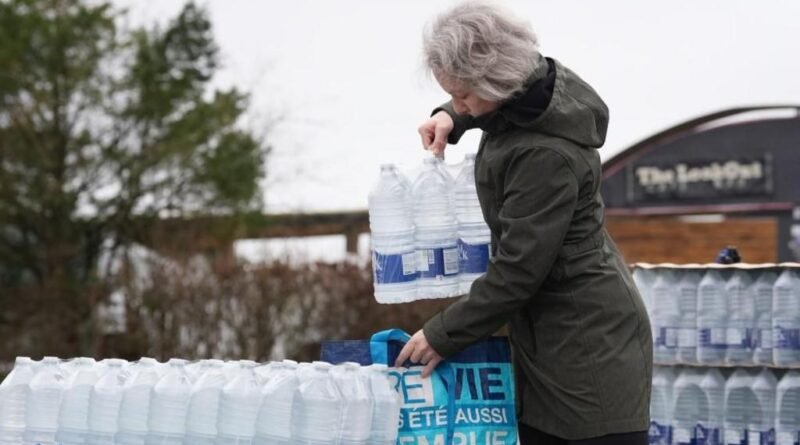
Charles Granville lives with his wife and mother-in-law to help care for her. He said the family had received some bottled water from South East Water. However, deliveries had been inconsistent. This inconsistency forced them to travel into town to collect additional supplies.
“We’ve managed to get enough water to survive, but only by going out ourselves and improvising at home,” he said. “We’ve been collecting rainwater, warming it up and using it for washing and cleaning. We’re coping, but it shouldn’t be like this.”
Granville questioned the explanation that severe weather was responsible for the disruption. He said conditions had not been extreme enough to justify such prolonged outages. “It’s surprising that in this day and age a basic service like water can’t be reliably provided,” he added.
Investigation Launched Into Water Company
The Drinking Water Inspectorate (DWI) has confirmed it has opened an investigation into South East Water. It is examining the circumstances that led to the loss of supply. The investigation also examines how the company responded and whether its communication with customers was sufficient.
The regulator said it would take enforcement action if necessary to protect public health and ensure the company is better prepared for future incidents.
Widespread Impact Across the Region
South East Water said around 25,000 customers initially experienced loss of supply or low pressure, with thousands still affected in areas including Tunbridge Wells, East Grinstead, Maidstone, and parts of Canterbury.
Company representatives said water supplies were gradually being restored, but acknowledged that some areas were still experiencing intermittent service. Officials were unable to provide precise figures for every affected location, prompting criticism from customers and local leaders.
Residents in several towns reported being without running water for up to five days, leaving them unable to shower, cook, wash clothes or flush toilets.
Vulnerable Customers Report Missed Deliveries
Several customers registered as vulnerable said bottled water deliveries had stopped without warning. Jill Lang, a woman in her 70s, said she had not received any deliveries since Saturday, despite being told she was eligible for regular supplies.
“When the water runs out, I don’t know what I’ll do other than ask neighbours for help,” she said, adding that this was not the first time her supply had been disrupted.
Economic and Community Disruption
The water shortages have also affected businesses and schools. A dog grooming business owner in Kent said she had been forced to cancel appointments, losing hundreds of pounds in income. Several schools closed temporarily, requiring parents and grandparents to arrange childcare at short notice.
Local MPs have criticised South East Water’s handling of the crisis. Tunbridge Wells MP Mike Martin said it was “utterly devastating” that people had been left without one of life’s most basic necessities and called the situation unacceptable.
Regulators and Politicians Demand Answers
The Consumer Council for Water said the disruption highlighted long-standing weaknesses in infrastructure and resilience. Its chief executive, Mike Keil, said repeated failures during hot and cold weather suggested a need for significant investment.
Meanwhile, the chair of the Environment, Food and Rural Affairs Select Committee said South East Water’s leadership would be summoned again to Parliament once the immediate crisis is over, citing concerns over accountability and transparency.
Company Response
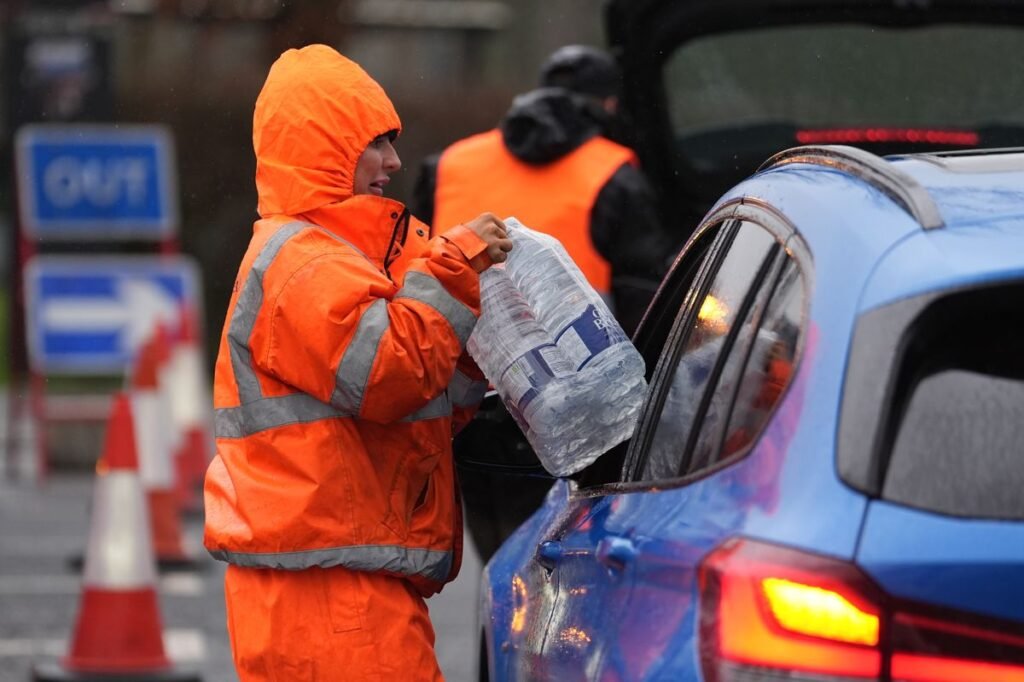
South East Water said it was working around the clock to restore supplies, using water tankers, repairing leaks and burst mains, and operating bottled water distribution points across the region. Hospitals, care homes, schools and medical centres were being prioritised, the company said.
A spokesperson added that both Ofwat and the Drinking Water Inspectorate were being kept informed and that the company would provide all information requested by regulators.
Ongoing Uncertainty
As repairs continue, many residents remain uncertain about when normal service will fully resume. For vulnerable households and carers, the lack of clear timelines has added to frustration and anxiety, with calls growing for stronger oversight and long-term investment to prevent future disruptions.