
Why Do Glasgow’s Historic Buildings Keep Catching Fire?
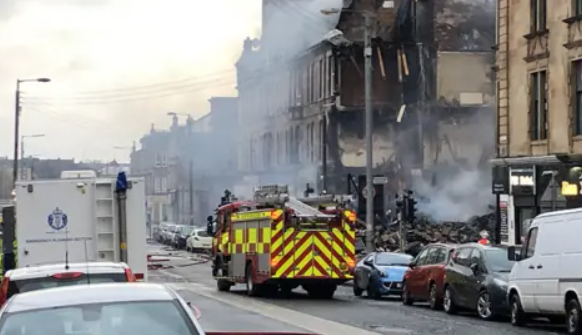
GLASGOW’S historic skyline was once defined by its ornate Victorian architecture. It has repeatedly been scarred by devastating fires over the past two decades. The latest incident was a blaze that tore through a domed Victorian building on Union Street. This has raised troubling questions once again. Why do the city’s historic buildings seem especially vulnerable to destruction?
The building was near the busy transport hub of Glasgow Central Station. It had long been a familiar landmark for residents and visitors alike. Flames engulfed the structure last weekend. As a result, demolition crews began dismantling the remains. This marks another loss for a city renowned for its architectural heritage.
For many Glaswegians, the incident feels painfully familiar.
A Pattern of Historic Building Fires
The Union Street blaze is only the latest in a series of fires affecting historic properties across Glasgow. Several significant structures have been damaged or completely destroyed over the years.
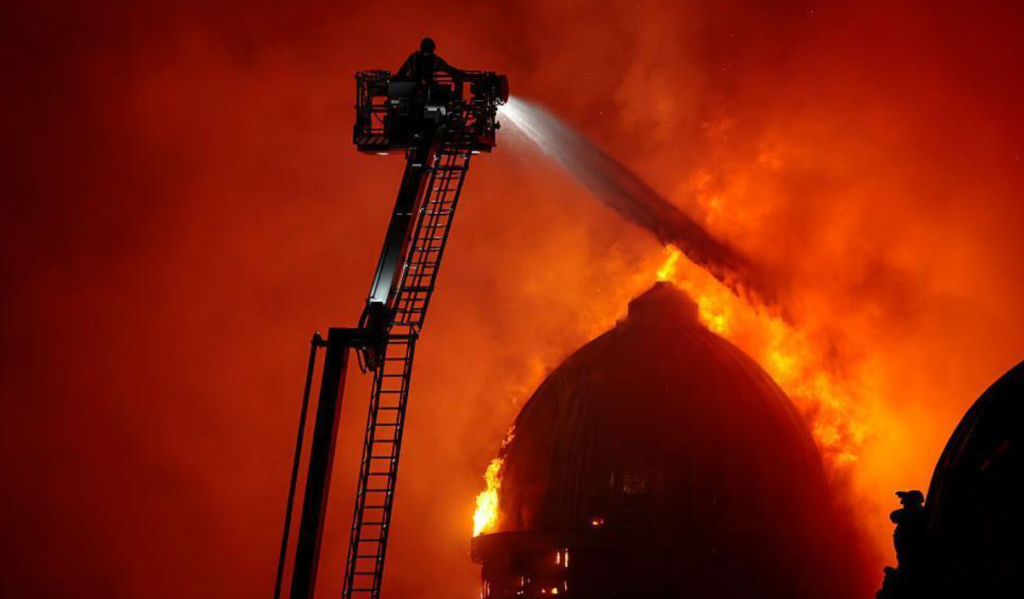
Among the most high-profile losses was the Glasgow School of Art, designed by celebrated architect Charles Rennie Mackintosh. The building first caught fire in 2014 and suffered catastrophic damage again in 2018. The second blaze also destroyed the neighbouring O2 ABC music venue. This venue had existed in various forms since the late 19th century.
Other notable incidents include:
- Victoria’s nightclub on Sauchiehall Street, destroyed by a fire linked to an electrical fault in 2018.
- Albert Cross tenement buildings in Pollokshields, badly damaged by fires in 2019 and 2020.
- India Buildings on Bridge Street, demolished in 2024 after structural decay led to roof collapse.
- The Shack nightclub, another historic property, which burned down in 2004.
Each incident has intensified concerns about the safety and preservation of Glasgow’s historic architecture.
Why Historic Buildings Are at Higher Risk
Experts say the explanation is often less dramatic than public speculation suggests.
Architect Matt Loader believes the main problem lies in the number of vacant Victorian-era buildings scattered across the city.
When buildings are left empty for long periods, they become more vulnerable to several risks. These include vandalism, accidental fires, and structural decay.
According to Loader, Glasgow’s situation is unusual because many older properties remain unused while newer office developments attract tenants elsewhere.
Vacant buildings often suffer from:
- deteriorating electrical systems
- lack of regular maintenance
- exposure to weather and water damage
- increased risk of deliberate or accidental fires
These conditions create an environment where disasters become more likely.
The Role of Ownership and Maintenance
Responsibility for maintaining historic buildings typically rests with their owners, but ownership structures can sometimes complicate matters.
Some properties are held by investment companies or overseas owners who may not actively manage the buildings. In other cases, properties pass through complex networks of tenants, landlords and management firms, making it difficult to determine accountability.
Investigations following the Union Street fire revealed questions about the tenants operating the shop where the blaze began. Reports suggested the business had not paid business rates and may not have been properly registered to sell vaping products.
Such cases highlight how unclear ownership and regulatory oversight can contribute to safety risks.
Glasgow’s Large Number of At-Risk Buildings
Heritage organisations have repeatedly warned that Glasgow has one of the highest numbers of endangered historic buildings in Scotland.
Many Victorian structures were originally designed as stone-clad buildings with timber interiors. This construction style can allow fires to spread rapidly once they start.
Economic changes have also contributed to the problem. Over time, many businesses have moved to modern office developments, leaving older upper floors empty and difficult to repurpose.
As a result, large parts of the city’s historic building stock remain underused.
The Emotional Impact on the City
For residents, these buildings are far more than just physical structures.
Many people associate Glasgow’s historic architecture with memories, culture and identity. Artists, historians and local residents often describe them as an essential part of the city’s character.
The domed Union Street building was a regular subject for local artist Michelle Cohen. She spent years photographing and painting the landmark from her studio window.
For her and many others, the destruction felt personal.
Historic buildings act as physical connections to the past. They link modern Glasgow with generations who lived and worked in the city before.
Conspiracy Theories and Public Anxiety
Whenever a major fire occurs, social media speculation often follows. Some residents suspect that developers may benefit when historic structures are destroyed and replaced by modern apartment blocks.
However, psychologists note that such theories frequently appear during times of uncertainty or loss.
Dr. Yvonne Skipper of the University of Glasgow explains that conspiracy narratives offer simple explanations. These narratives simplify complex events for people. Communities may feel powerless or anxious.
These theories persist online. However, experts usually attribute most fires to neglect, structural vulnerability, and economic factors. They do not consider deliberate destruction as a main cause.
What Can Be Done to Protect Glasgow’s Heritage?
City authorities say they have invested heavily in heritage restoration projects. Glasgow City Council reports that around £280 million has been spent on heritage initiatives over the past decade.
Some experts argue that stronger measures are still needed.
Suggested solutions include:
- stronger enforcement against neglected properties
- taxes on long-term vacant buildings
- compulsory purchase orders for abandoned sites
- incentives for redevelopment and restoration
One example is the Egyptian Halls, a historic building that has remained covered in scaffolding for more than a decade. The council has begun legal steps to take control of the site and bring it back into use.
Supporters believe such actions could prevent further historic losses.
A City at Risk of Losing Its Architectural Identity
Glasgow’s Victorian architecture is one of the defining features of the city’s identity. Yet each fire raises concerns that the skyline could slowly lose these historic landmarks.
For many residents, preserving these buildings is not simply about protecting old stone and timber. It is about safeguarding the cultural memory of the city itself.
As crowds gathered near the Union Street fire site earlier this week, many shared the same sentiment. They felt that Glasgow’s heritage is disappearing piece by piece.
Experts warn that the city could continue to lose irreplaceable parts of its past. Stronger measures must be taken to protect and reuse historic buildings.
