
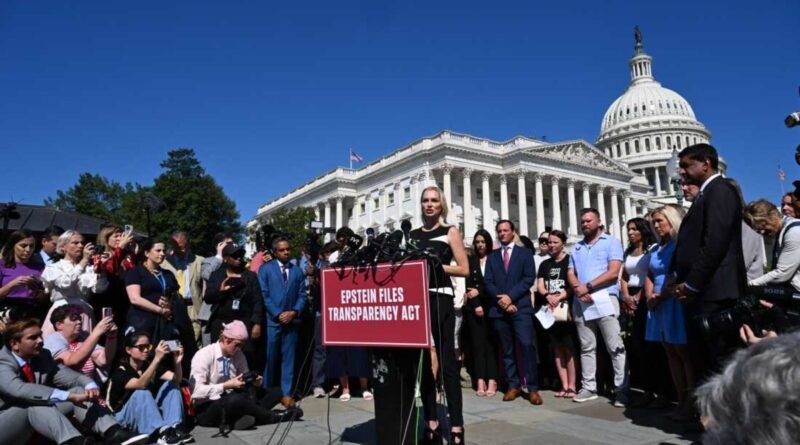
Survivors sceptical as Epstein files released with extensive redactions
Survivors of abuse linked to the late financier Jeffrey Epstein say they remain uneasy. They are frustrated after the US Department of Justice (DOJ) released thousands of pages of documents. These documents are related to the investigation into his crimes.
The release, required under the Epstein Files Transparency Act, came shortly before the legal deadline on Friday. However, many of the documents were published with heavy redactions. This prompted criticism from survivors, lawmakers, and legal experts. They argue the disclosure lacks transparency.
Survivors raise concerns over disclosure
Liz Stein is an Epstein survivor. She has publicly campaigned for full transparency. She said the release fell short of what victims had hoped for.
| “We just want all of the evidence of these crimes out there,”
| “What worries us is a slow release of incomplete information, without context.”
Another survivor, Marina Lacerda, was 14 when she was abused by Epstein. She said many victims remain uncertain about what will come next.
| “We are still nervous and sceptical about how the rest of the files will be released,”
| “There is a real fear they will be redacted in the same way.”
What the newly released files show
The documents include photographs of Epstein’s residences, records of his overseas travel, and images of Ghislaine Maxwell, who is currently serving a prison sentence in the United States.
Other materials reference or depict high-profile figures, including Donald Trump, Bill Clinton, and well-known public figures from the worlds of politics, music and entertainment.
The DOJ stressed that being named or appearing in the files does not imply wrongdoing. Neither Trump nor Clinton has been accused by Epstein’s victims, and both have denied any involvement in criminal activity.
Files removed after publication
By Saturday, at least 15 files that were initially available were no longer accessible on the DOJ website. US media reported that some of the missing documents included images of rooms inside Epstein’s properties and photographs showing nude artwork and suggestive settings.
In a statement posted on X, the US Department of Justice said the materials were still being reviewed.
| “Photos and other materials will continue being reviewed and redacted consistent with the law, in an abundance of caution.”
It remains unclear why the files were temporarily removed.
DOJ defends redactions
Deputy US Attorney General Todd Blanche said the department had identified more than 1,200 victims or relatives and withheld information that could lead to their identification.
The DOJ said redactions were limited to material required by law, including:
- Personally identifiable victim information
- Child sexual abuse material
- Content tied to ongoing investigations
- Classified information related to national security
Officials said names of politicians and public figures were not being redacted unless the individual was identified as a victim.
Lawmakers and legal experts push back
Criminal defence attorney John Day said the scale of the redactions was surprising.
| “Until you know what’s being redacted, you don’t know what’s being withheld,”
| “This risks feeding conspiracy theories rather than putting them to rest.”
Democratic Congressman Ro Khanna, who helped lead the push for the files’ release, described the disclosure as incomplete and said further action could follow if explanations are not provided.
Republican Congressman Thomas Massie said the release failed to meet the intent of the law and warned of potential legal consequences for officials who do not comply fully.
Balancing transparency and protection
Human rights lawyer Helena Kennedy said authorities face a difficult balance.
| “There is always concern about exposing victims to further harm,”
| “While many want everything released, some material could cause serious distress if made public.”
What happens next
The DOJ has said further documents may be released in the coming weeks, subject to legal review. Blanche said any material consistent with the law — including files referencing public figures — would eventually be disclosed.
For survivors, however, confidence in the process remains fragile.