Winter storms trigger widespread travel disruption across Europe
Severe winter weather has continued to disrupt travel across large parts of Europe this week. Heavy snowfall, freezing rain, and strong winds are causing delays and cancellations. These disruptions affect air, rail, and road networks.
Airports in the UK and mainland Europe have faced ongoing operational challenges. Icy conditions slowed aircraft movements. They also extended de-icing times. Several major hubs warned passengers to expect delays during peak travel hours. Airlines urged travellers to check flight status before they set out for airports.
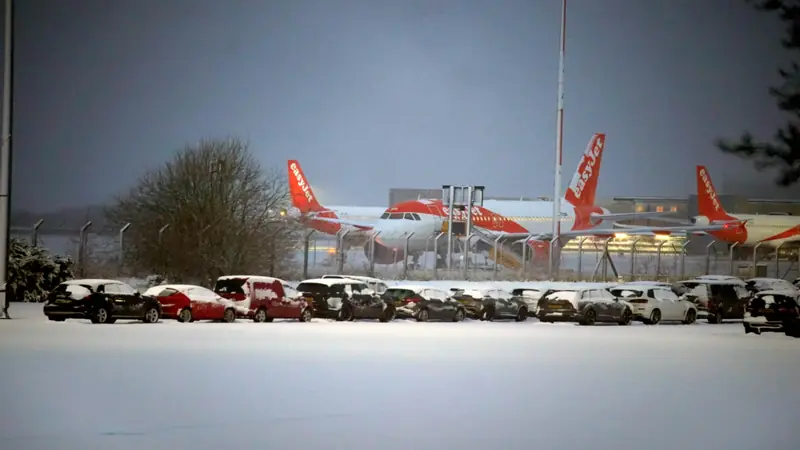
In the UK, overnight frost and snow showers led to early-morning disruption at regional airports, particularly affecting short-haul European routes. Airport operators said conditions improved as the day progressed, but warned that rapidly changing weather still cause knock-on delays.
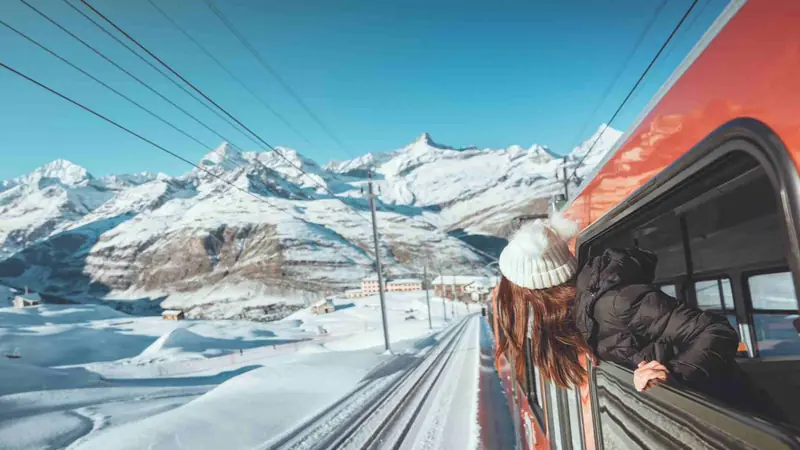
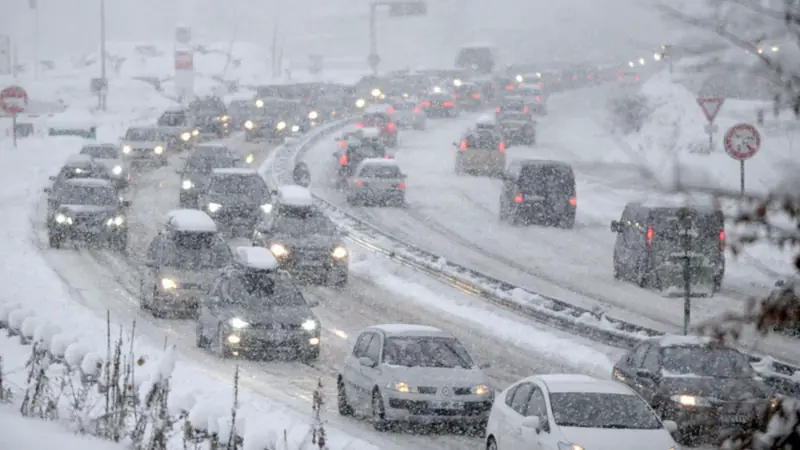
Across continental Europe, the impact has been especially severe in central and alpine regions. Heavy snowfall in the Alps disrupted access to ski resorts in France, Switzerland and Italy. Several mountain roads were temporarily closed. Chains were made compulsory in higher elevations. Authorities also issued avalanche warnings in parts of the region, advising travellers to postpone non-essential journeys.
Rail services were affected in several countries as snow and ice interfered with track switches and overhead power lines. Operators in Germany and Austria reported slower services and selective cancellations, particularly on regional and cross-border routes. In eastern Europe, freezing rain created hazardous conditions on roads, leading to traffic accidents and temporary highway closures.
A notable development this week
A key development occurred mid-week. A fresh Arctic air mass pushed southwards. This brought sub-zero temperatures to areas already affected by earlier storms. Meteorologists said this secondary cold front intensified disruption, as wet surfaces refroze overnight, creating black ice and forcing transport operators to impose precautionary restrictions.
Weather agencies across Europe said the pattern was consistent with increasingly volatile winter conditions, with sharp temperature swings making forecasting and operational planning more difficult for transport providers.
Impact on travellers and tourism
Tourism organisations have advised travellers to remain flexible, especially those heading to winter holiday destinations. Some tour operators reported last-minute itinerary changes, while travel insurers reminded customers to review policy coverage for weather-related disruption.
Despite the difficulties, ski destinations in the Alps reported strong snowfall levels, welcomed by resorts after a mixed start to the season. However, local authorities stressed that safety remained the priority, urging visitors to follow guidance and avoid off-piste areas during periods of elevated risk.
What happens next
Forecasters say conditions should gradually stabilise in western Europe over the coming days, though further snow and strong winds are expected in parts of Scandinavia and central Europe later in the week. Transport operators warn that even short periods of severe weather can have lingering effects, with delays continuing after conditions improve.
For now, travellers are advised to allow extra time, monitor official updates from airlines and rail companies, and prepare for possible last-minute changes as Europe continues to grapple with a challenging winter travel period.